If you want a home that connects you to more than just your own block, Detroit’s Conner Creek Greenway deserves a close look. Buying along this east-side corridor can mean easier access to parks, bike routes, and everyday mobility, but it also comes with block-by-block differences that matter. The good news is that if you know what to check, you can shop with a lot more confidence. Let’s dive in.
Why Conner Creek matters
Conner Creek Greenway is not just a short recreational path. It is best understood as a planned nine-mile east-side corridor that runs from Eight Mile Road to the Detroit River, and it serves both recreation and daily transportation. It also sits within a larger network as part of Michigan’s Iron Belle Trail.
For you as a buyer, that changes the conversation. A home near the greenway is not only about weekend rides or a nice view on a map. It is also about how easily you can move through the area on foot or by bike and how well your block connects to the rest of Detroit.
Detroit also reports 175.76 miles of bike facilities citywide. That gives the greenway more value than an isolated trail because it ties into a broader system rather than standing alone.
What buying in 48215 can feel like
The 48215 area includes places where water, historic housing, and major corridors all meet. That mix can create a very appealing lifestyle, but it also means one street may feel very different from the next. In this part of the east side, access and comfort often matter more than simple distance.
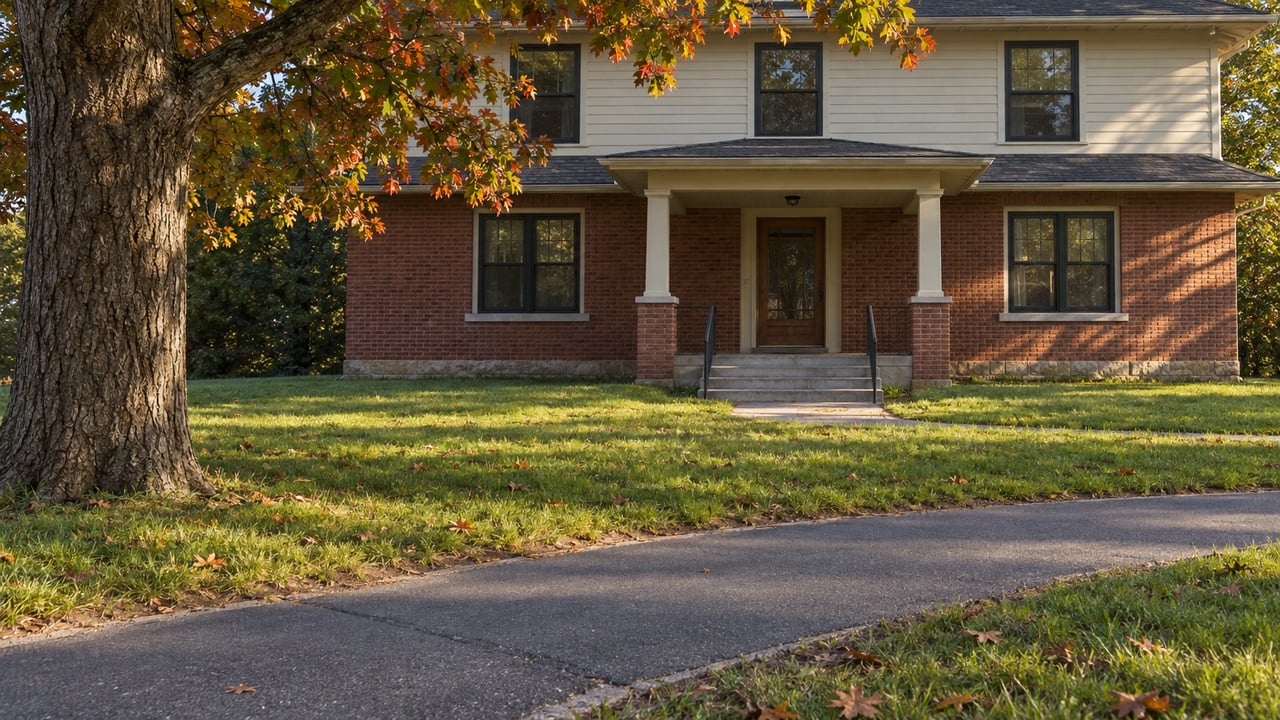
Jefferson-Chalmers is one of the key comparison points for buyers looking along the greenway corridor. City reports note that the housing mix changes by block, with scattered two-family and single-family wood-frame homes north of East Jefferson Avenue and better-preserved single-family homes south of Jefferson in brick, fieldstone, and some wood frame construction.
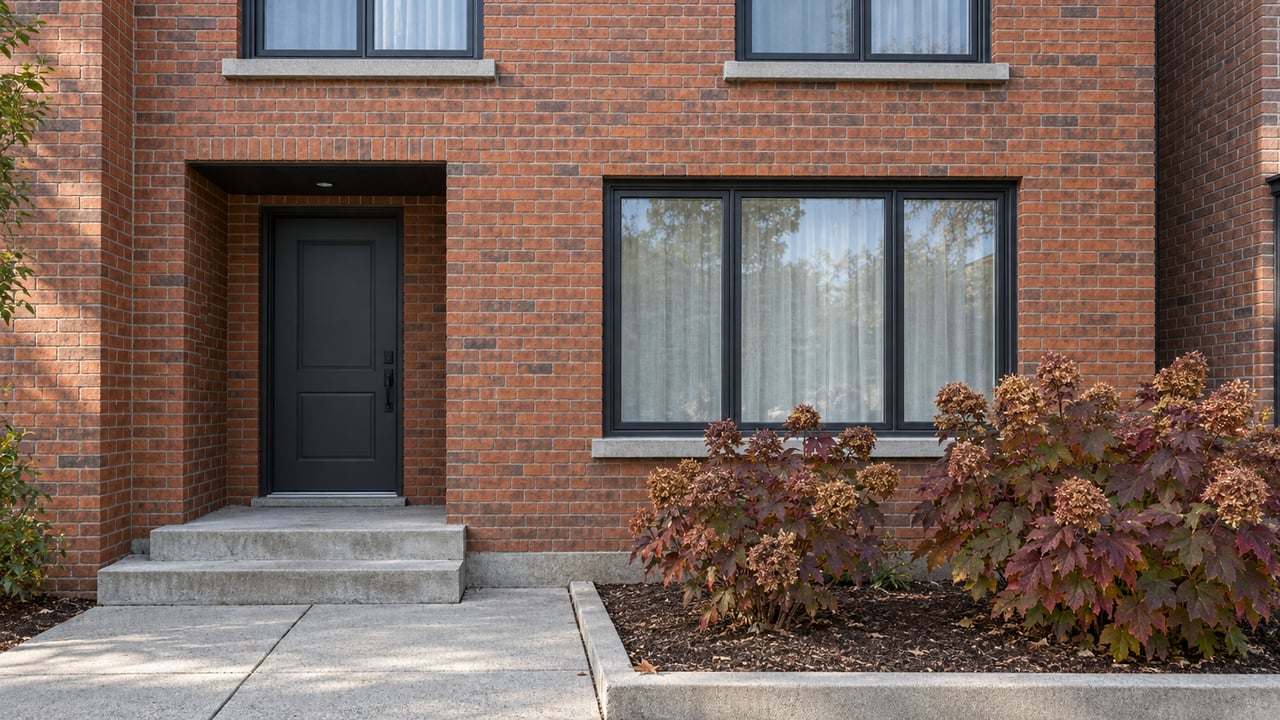
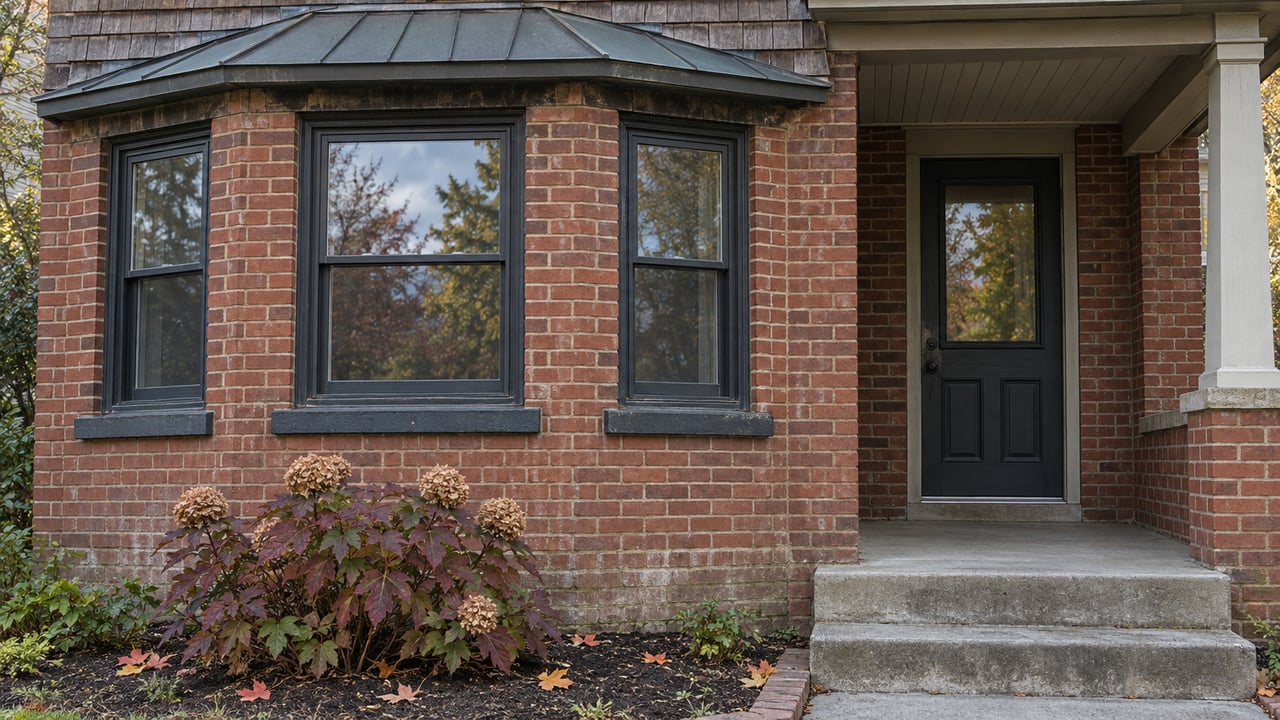
Architecturally, you may see styles from the 1910s and 1920s such as Tudor, Arts and Crafts bungalow, brick foursquare, and Prairie. Some blocks south of the district also include canals, boat launches, and boat houses, which adds a distinct local character that is hard to find elsewhere in the city.
If you are comparing nearby areas with older housing stock, East English Village offers another useful frame of reference. Its neighborhood association says many of its distinctive brick homes were built from the early 1930s through 1950, with many homes custom-built by their owners. For some buyers, that more traditional block pattern may feel easier to navigate day to day.
Trail access is more than distance
One of the biggest mistakes buyers make is assuming that being close to the greenway on a map means the home will feel connected in real life. In Jefferson-Chalmers, city engagement found that residents viewed waterfront parks as valuable assets, but they also said long blocks can make walking harder and that the area north of East Jefferson can feel disconnected from the south side.
That is why the best home near Conner Creek is not always the one closest to it. A house two or three blocks away with better crossings, sidewalks, and lighting may fit your daily routine better than a home with technically shorter distance but a less comfortable route.
If you plan to use the greenway often, test your actual path in person. Count how many intersections you cross, notice whether the route feels intuitive, and pay attention to how it works in less-than-perfect conditions like darkness, rain, or winter weather.
What to check on a showing
When you tour homes along the Conner Creek Greenway corridor, keep your focus on both the property and the route around it. A great house can feel less practical if the approach to the trail or nearby amenities is awkward.
Here are a few smart things to evaluate:
- Decide whether you want direct trail frontage, one-block access, or an interior street with less passing activity.
- Walk or drive the route to the places you actually use, such as parks, grocery stops, and main commercial streets.
- Check for sidewalks, lighting, and bike lanes on the approach streets, not only on the greenway itself.
- If you plan to bike for transportation, verify how the corridor connects to protected lanes or calmer connector streets.
- Pay attention to major thoroughfares and crossings, especially near East Jefferson and other busier streets.
Detroit’s Streetscape Program is intended to make corridors feel more welcoming on foot, by bike, or by car. Nearby East Warren/Cadieux shows what that kind of investment can look like with protected bike lanes, new sidewalks, lighting, landscaping, and new businesses.
Housing character along the corridor
One reason buyers are drawn to this part of Detroit is variety. Along the broader east side, housing can range from modest wood-frame homes to substantial brick residences and multi-unit buildings with very different scale and architectural detail.
If you like historic residential character, the greenway-adjacent area gives you several distinct flavors. Jefferson-Chalmers offers a blend of early 20th-century styles and water-adjacent blocks, while the wider east side includes places with Romanesque, Tudor Revival, Colonial, and Spanish Eclectic architecture.
That variety matters for both lifestyle and resale. Buyers often respond not just to square footage, but to the overall feel of the block, the consistency of nearby homes, and whether the setting offers a strong sense of place.
Understand the tradeoffs block by block
Conner Creek Greenway can be a lifestyle win, but it is important to think in specifics. The corridor includes mixed settings, and part of the route runs adjacent to airport property. In practical terms, some stretches may feel quieter and more residential, while others may bring more traffic, visibility, or noise.
This is not a reason to avoid the area. It is a reason to stay precise. Two homes with the same ZIP code and similar list prices can offer very different everyday experiences depending on the block, the crossing pattern, and the nearby land uses.
Water-adjacent areas also deserve a closer look. City engagement in Jefferson-Chalmers surfaced concerns about trash and dumping near the canals, so it is wise to inspect the immediate surroundings carefully rather than relying on the broader appeal of canal or trail branding.
Flooding and water questions to ask
In the lower east side, water management should be part of your due diligence. The City of Detroit has identified floodplain and flood-mitigation issues in Jefferson Chalmers and the lower east side, and it noted that the former Lenox Center at A.B. Ford Park was in the FEMA floodplain while the replacement community center was built outside it.
For you, that means a river- or canal-adjacent property deserves extra questions before you write an offer. You will want to review flood zone status, drainage patterns, insurance implications, and the home’s basement history.
These are not minor details. They affect monthly costs, maintenance planning, and your comfort level as an owner.
What supports long-term value
There is a strong case for long-term potential along this corridor, but the story is not one-size-fits-all. Jefferson Chalmers is one of Detroit’s Strategic Neighborhood Fund areas, A.B. Ford Park reopened in 2025 after major renovation, Jefferson Chalmers has been included in the city’s Arts Alleys work, and nearby East Warren/Cadieux has seen corridor-level reinvestment.
Trail access can also support value, though context matters. A 2019 review of trail economics found that across 20 hedonic studies, proximity to a trail typically corresponded with home prices about 3% to 5% higher than comparable homes. At the same time, that review emphasized that trails are not all the same and that local impacts vary.
The MDOT and Detroit Eastside Community Collaborative case study similarly describes the greenway as a stabilizing force that can reduce blight and support home values. For you, the takeaway is simple: trail access can be meaningful, but the strongest resale position usually comes from a combination of access, privacy, block condition, and nearby amenities.
The best setup for resale
If resale matters to you, do not focus only on the closest possible location to the greenway. In many cases, the better long-term bet is a home that gives you easy access without putting every aspect of the property on full display to passing users.
Look for a balance of features such as:
- Comfortable access to the greenway
- A block that feels maintained and connected
- Crossings that work well on foot or by bike
- A second amenity nearby, such as park access or a neighborhood commercial street
- A home layout and lot placement that still offer privacy
That mix often creates the most durable appeal. In a corridor where waterfront parks, long blocks, and mixed residential-industrial edges all coexist, nuance matters.
Why local guidance helps here
Buying near the Conner Creek Greenway is not just about picking a house. It is about understanding how the block functions, how the route feels in real life, and which tradeoffs are worth making for your goals.
That kind of decision is easier when you work with someone who understands Detroit block by block. A neighborhood-first approach can help you sort through architectural character, trail access, water-related due diligence, and resale factors without getting distracted by the wrong headline features.
If you’re thinking about buying along the Conner Creek Greenway, LizinDetroit can help you compare blocks, evaluate tradeoffs, and find the right fit for how you want to live.
FAQs
What is Conner Creek Greenway in Detroit?
- Conner Creek Greenway is a planned nine-mile east-side mobility corridor from Eight Mile Road to the Detroit River that supports recreation and everyday transportation.
What should home buyers in 48215 check near Conner Creek Greenway?
- You should check trail access routes, street crossings, lighting, sidewalks, nearby traffic conditions, and how the block feels at different times of day.
Are homes near Detroit trails worth more?
- Research cited in the report found trail proximity often corresponded to home prices about 3% to 5% higher than comparable homes, though local results can vary by block and trail type.
What kinds of homes are near Conner Creek Greenway?
- In nearby Jefferson-Chalmers, buyers may find single-family and two-family homes in wood frame, brick, and fieldstone, with styles such as Tudor, Arts and Crafts bungalow, brick foursquare, and Prairie.
Should buyers worry about flooding in Jefferson Chalmers and the lower east side?
- Buyers should treat flood zone status, drainage, insurance, and basement history as important due diligence items, especially for river- or canal-adjacent properties.
Is the closest home to the trail always the best buy?
- Not necessarily. The strongest fit is often a home with easy trail access, comfortable crossings, privacy, and another nearby amenity such as a park or neighborhood commercial corridor.