Wondering whether Martin Park is the right place to buy near University of Detroit Mercy? If you want a Detroit neighborhood with classic brick homes, practical access to major roads, and a mix of single-family and duplex options, Martin Park deserves a closer look. This guide will help you understand the housing stock, pricing, lifestyle anchors, and what to pay attention to before you buy. Let’s dive in.
Why Martin Park stands out
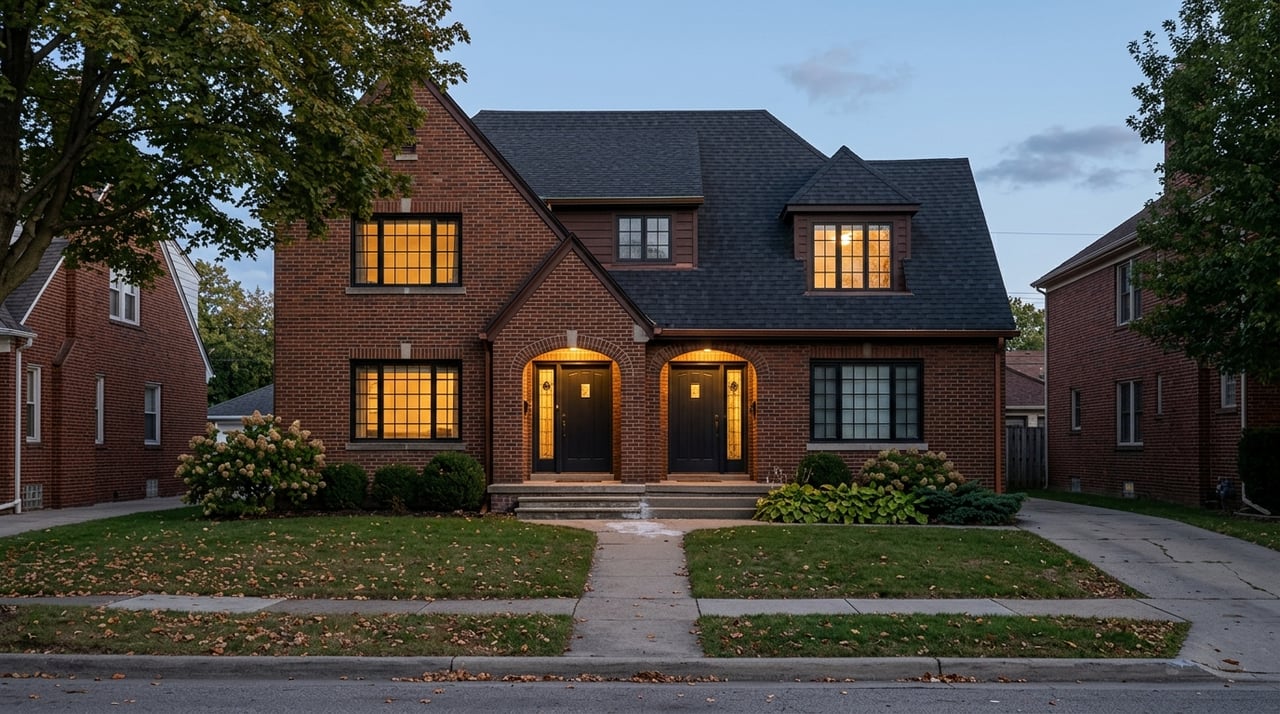
Martin Park is a residential neighborhood on Detroit’s west side with a strong early-20th-century housing character. You will find many brick homes, covered porches, and architectural styles such as Tudor, Prairie, and Colonial. According to Homes.com, the median year built is 1927, which tells you right away that charm and maintenance often go hand in hand here.
One of Martin Park’s biggest advantages is location. The University of Detroit Mercy McNichols Campus sits nearby at 4001 W. McNichols, and the school’s Campus Connection materials specifically reference Martin Park Walk programming for students, faculty, and staff. That close connection gives the area a practical appeal for people who want to live near campus while still buying in a traditional residential setting.
Location near Detroit Mercy
If being close to University of Detroit Mercy matters to you, Martin Park offers clear convenience. The neighborhood is near the McNichols campus, making it relevant for buyers who want shorter daily travel times or easier access to university-related activities. The New Martin Park District Association also lists 16100 Lawton as its home base, which adds another neighborhood anchor.
The area also benefits from well-known nearby destinations. Palmer Park at 910 Merrill Plaisance is a 281-acre city park with a dog park and recent improvements. Detroit Golf Club at 17911 Hamilton Road adds another notable point of reference nearby, with its long history and two 18-hole Donald Ross courses.
Martin Park home styles
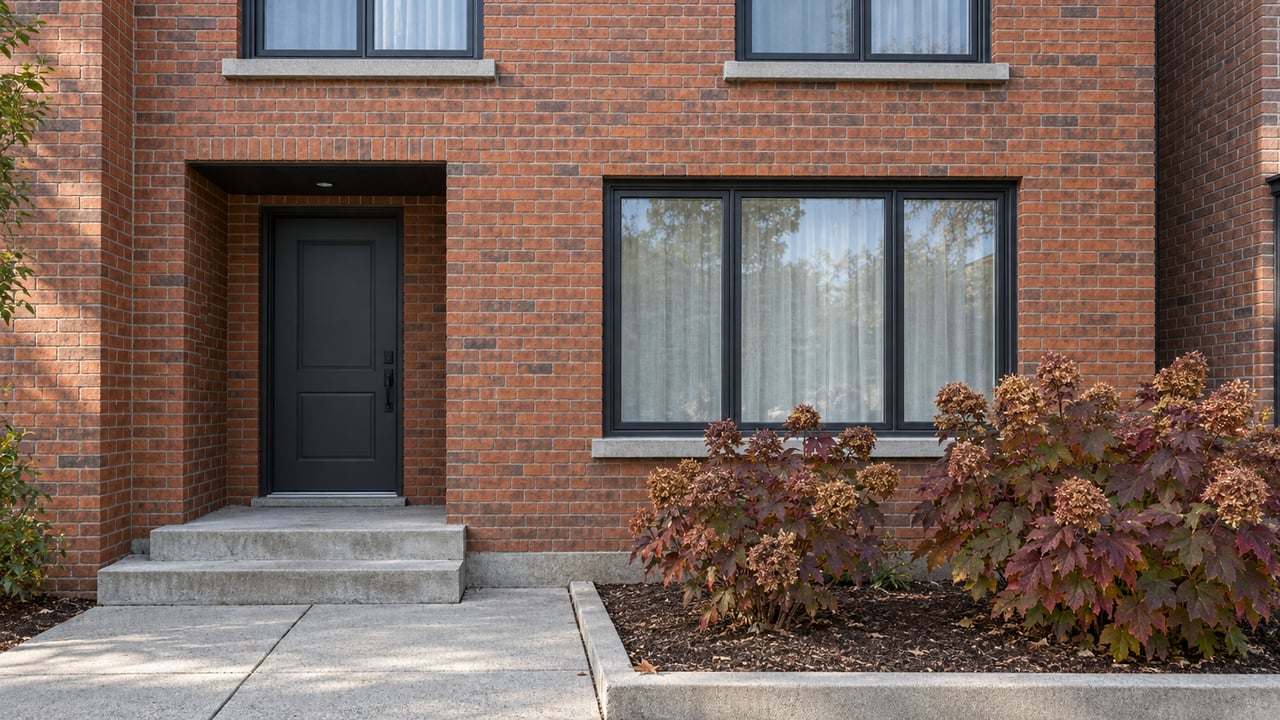
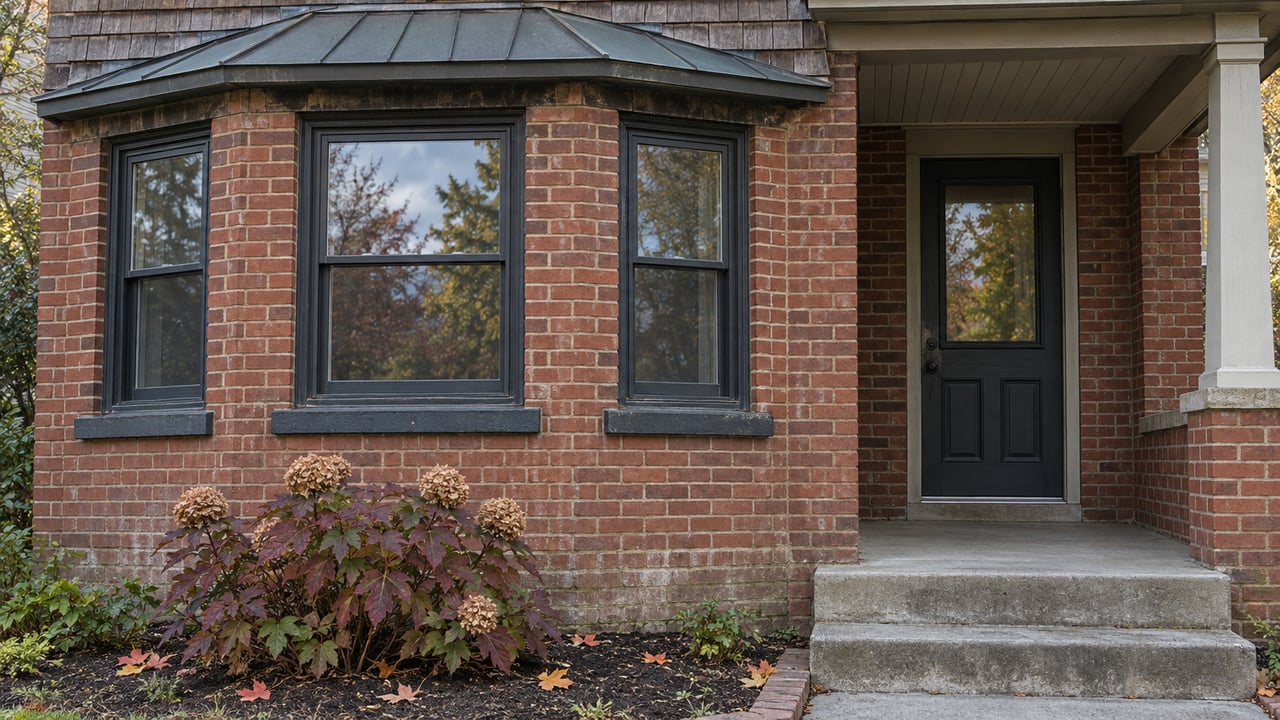
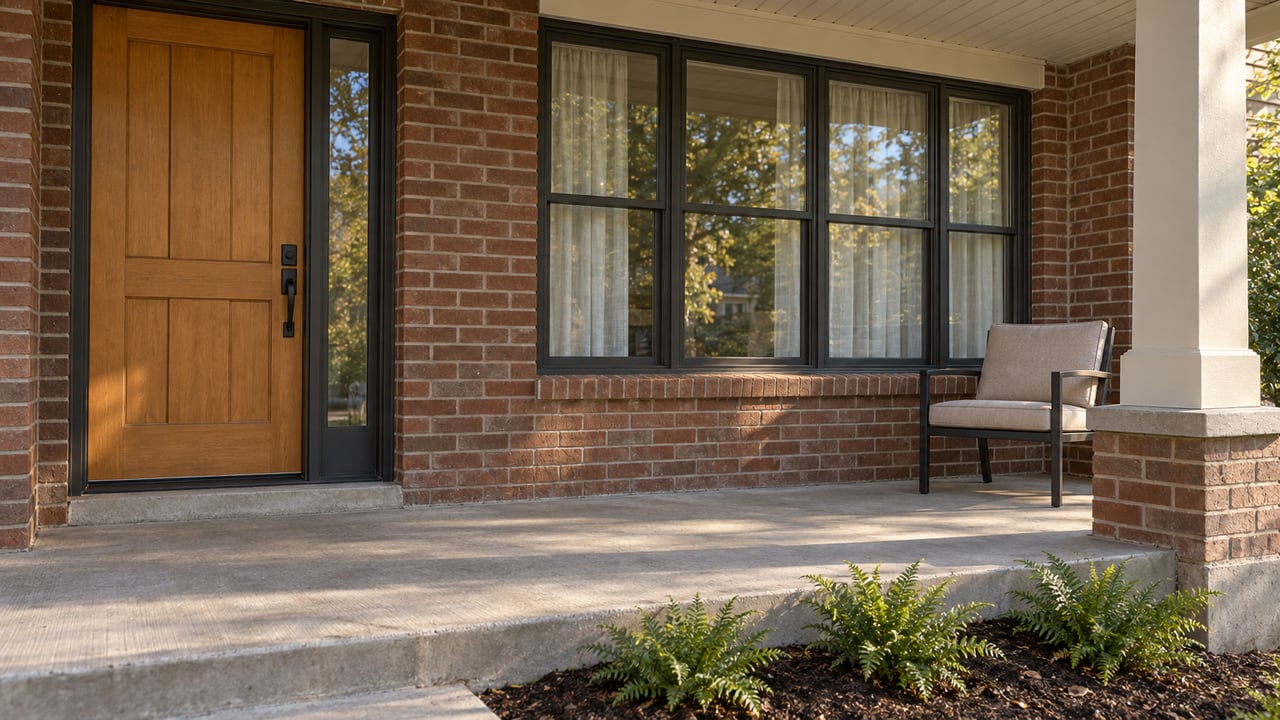
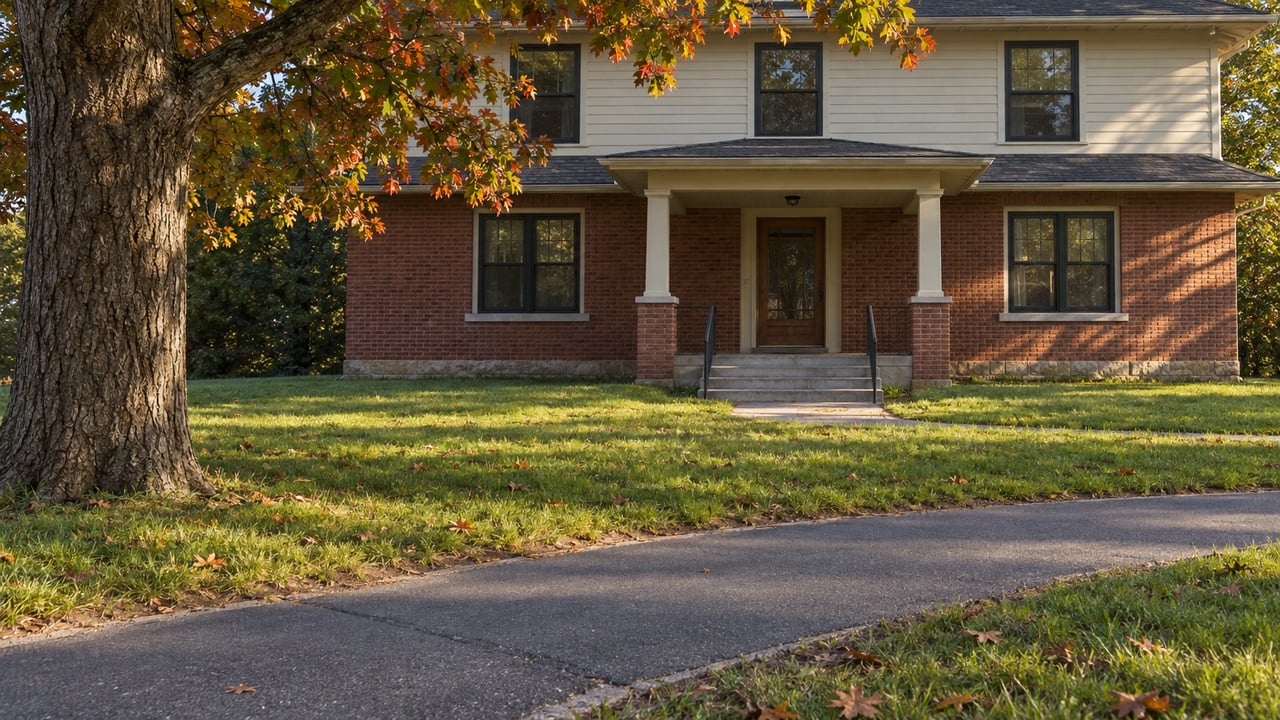
Martin Park’s housing stock has a distinct look and feel. Many homes are brick, and the neighborhood is known for early-20th-century construction with classic Detroit details like front porches, detached garages, and modest lots. If you like neighborhoods with visual consistency and historic character, Martin Park checks those boxes.
Homes.com reports that the average single-family home size is about 1,665 square feet. That size can work well if you want more room than a condo or apartment but still prefer a manageable footprint. In many cases, the appeal here comes from a balance of original design, usable space, and straightforward residential streets.
Common features you may see
- Brick exteriors
- Covered front porches
- Tudor, Colonial, and Prairie influences
- Detached garages
- Driveways as a common feature
- Modest lot sizes
Martin Park home prices
For many buyers, Martin Park offers a price point that can feel more approachable than some other character-filled Detroit neighborhoods. Homes.com shows a median list price of $171,500 and a median sale price of $163,500 over the last 12 months. Realtor.com reports a median listing price of $177,500 and a median rent of $1,600.
Those numbers suggest a market with options across different budgets and goals. You may find homes that need updates, renovated move-in-ready properties, or duplexes that create a different financial strategy. As always, pricing in a neighborhood like this depends heavily on condition, layout, and whether features like parking or garage space are included.
Recent listing examples
The current range in Martin Park shows how varied the market can be:
- A five-bedroom, one-and-a-half-bath Tudor-influenced home near 6 Mile and Livernois listed at $264,900
- A four-bedroom brick colonial with 2.5 baths, 2,764 square feet, and a two-car garage listed at $299,000
- A renovated duplex with two 2-bed, 1-bath units and a detached two-car garage listed at $199,000
- A tenant-occupied three-bedroom home marketed as an income-producing property listed at $79,000
These examples are useful because they show that Martin Park is not a one-size-fits-all neighborhood. Your best fit depends on whether you want a primary residence, a house with extra space, or a property with income potential.
Single-family or duplex?
One of Martin Park’s more practical strengths is that it offers both single-family homes and duplexes. That gives you more ways to match your purchase to your goals. If you are buying for your own day-to-day living needs, a single-family home will usually offer the most straightforward setup.
According to the research, Martin Park homes often sit on modest lots, with driveways common throughout the neighborhood. That means your decision may come down less to land size and more to layout, parking, garage access, and overall condition. In a neighborhood with older housing stock, the right floor plan can matter just as much as the right block.
When a single-family home makes sense
A single-family home may be the better fit if you want:
- A simpler owner-occupant setup
- More privacy within one structure
- Traditional neighborhood character with porch and garage features
- A home that feels easier to manage from a use standpoint
When a duplex may make sense
A duplex can be worth considering if you want:
- Flexibility for owner-occupant living
- Rental income from a second unit
- A property type that supports long-term housing flexibility
- A chance to offset monthly costs while staying in the neighborhood
In Martin Park, duplexes are not just an afterthought. Current listings specifically present them as owner-occupant or investment opportunities, which makes them part of the neighborhood’s practical appeal.
What to inspect carefully
Because many Martin Park homes were built decades ago, inspections matter. Older masonry homes can be durable, but they also require attention to systems and exterior details that newer homes may not. If you are serious about a property here, plan to look closely at both structure and upkeep.
The research points to a few areas that deserve special care. Roofs, gutters, downspouts, mortar joints, windows, insulation, and heating venting should all be checked during inspection. Historic homes can admit moisture through missing mortar and cracks around windows and doors, and older furnaces or boilers can have chimney or venting concerns.
Inspection checklist for older homes
- Roof condition and drainage performance
- Gutters and downspouts
- Brick and mortar condition
- Cracks around windows and doors
- Window frame maintenance needs
- Insulation levels
- Furnace, boiler, chimney, or venting condition
- Garage condition and parking functionality
This is one area where having neighborhood-savvy guidance can really help. A beautiful brick exterior may be part of the charm, but the details behind it matter just as much for your budget and peace of mind.
Commute and daily convenience
Martin Park offers useful access for getting around the city. Homes.com notes DDOT bus stops along Livernois, Puritan, Fairfield, and nearby intersections. For drivers, the Lodge Freeway is just over half a mile south, and I-75 is under 2.5 miles east.
That kind of connectivity can make a big difference in your day-to-day routine. Whether you are commuting to work, heading to campus, or just moving around Detroit regularly, easy road access adds practical value. In many neighborhoods, convenience is not just about distance but about how easy it is to get in and out.
What supports long-term value
In Martin Park, long-term value is closely tied to a few specific factors. Location is one of them, especially with the neighborhood’s proximity to University of Detroit Mercy, Palmer Park, and Detroit Golf Club. Those anchors help give the area both identity and everyday utility.
Housing flexibility also matters. A well-maintained single-family home, a duplex with a functional layout, or a property with strong parking and garage space may stand out more over time than a similar house with fewer practical features. In a neighborhood like Martin Park, buyers often weigh condition and usability just as heavily as style.
The neighborhood’s community context is another part of the story. The New Martin Park District Association says it was established in 2017 to revitalize the community, and Detroit Mercy continues neighborhood ties through Martin Park programming. That ongoing activity does not guarantee outcomes, but it does show that the area has active local attention and institutional connection.
Who Martin Park may suit
Martin Park can appeal to several kinds of buyers. If you want a classic Detroit brick home with architectural character and access to major routes, it may be a strong match. If you are comparing owner-occupant choices near University of Detroit Mercy, it is a neighborhood worth putting on your list.
It can also make sense if you are looking at duplex options with flexibility built in. Some buyers want room to live in one unit and rent the other. Others simply want a neighborhood where the housing stock offers more than one path forward.
Final thoughts on buying in Martin Park
Martin Park offers something many buyers want but do not always find in one place: historic housing character, a location near major neighborhood anchors, and a range of options from single-family homes to duplexes. The numbers suggest a market with variety, while the housing stock points to the importance of careful inspection and smart property selection. If you focus on condition, layout, parking, and how the home fits your goals, you can evaluate Martin Park with more confidence.
If you are thinking about buying or selling in Martin Park, working with a Detroit expert who understands neighborhood differences can make the process much easier. LizinDetroit offers hands-on guidance, practical market insight, and personalized support to help you make a smart move.
FAQs
What types of homes are common in Martin Park near University of Detroit Mercy?
- Martin Park is known for early-20th-century single-family homes and duplexes, many with brick exteriors, covered porches, and Tudor, Colonial, or Prairie-style details.
What are Martin Park home prices like in Detroit?
- Recent market data in the research report shows median list prices around $171,500 to $177,500, with pricing varying based on condition, size, and property type.
Is Martin Park a good neighborhood for buying a duplex?
- Martin Park has duplex inventory that can work for owner-occupants or buyers seeking rental income, especially if you want housing flexibility without leaving a traditional residential setting.
What should buyers inspect in older Martin Park homes?
- Buyers should pay close attention to roofs, gutters, downspouts, mortar joints, windows, insulation, and heating venting, since many homes in the area are older masonry properties.
How close is Martin Park to University of Detroit Mercy?
- Martin Park is near the University of Detroit Mercy McNichols Campus at 4001 W. McNichols, and the university’s Campus Connection materials specifically reference Martin Park programming.
What amenities are near Martin Park Detroit?
- Nearby anchors include Palmer Park, a 281-acre city park with a dog park and recent improvements, and Detroit Golf Club, a private club with a long local history.