In the third quarter of 2026, July through September, the median sale in University District was $459,500. In Martin Park, on the other side of Livernois from it, the median sale over the same three months was $155,000. Most of the gap between those two medians is square footage. Price the homes by the foot and Martin Park lines up with Bagley and Fitzgerald, not with the prestige streets to its west and east.
That changes how a buyer compares homes here and how a seller sets a price. It also changes what the new investment plans for the Livernois-McNichols area might, or might not, do to values.
Price the foot, not the house
Here is the July through September 2026 sales data for Martin Park and the neighborhoods around it. The last column is rough arithmetic: the median sale price divided by the median price per square foot. It is not a measured house size. It gives a sense of how much house sits behind each median.
| Neighborhood | Q3 2026 median sale | Median per sq ft | Sales | Rough implied size |
|---|---|---|---|---|
| Palmer Woods | $1,100,000 | $217 | 5 | about 5,000 sq ft |
| Sherwood Forest | $525,000 | $144 | 5 | about 3,600 sq ft |
| University District | $459,500 | $120 | 14 | about 3,800 sq ft |
| Bagley | $210,750 | $90 | 42 | about 2,300 sq ft |
| Martin Park | $155,000 | $91 | 5 | about 1,700 sq ft |
| Fitzgerald | $137,500 | $93 | 24 | about 1,500 sq ft |
University District's median sale was roughly three times Martin Park's in the quarter. Its median price per square foot was only about a third higher, $120 against $91. The rest of the difference is house size. On the rough implied sizes in the table, the University District median works out to more than twice the footage of the Martin Park median.
At $91 a foot, Martin Park sits a dollar above Bagley's $90 and two dollars below Fitzgerald's $93. Those three neighborhoods have very different reputations and very different median prices, and buyers paid nearly the same amount per foot in all of them. Across Detroit as a whole, 1,378 homes sold in the quarter at a median of $103,000.
Five sales is a thin sample, and Palmer Woods and Sherwood Forest had five each too, so one unusual closing can move any of those medians a long way. Martin Park's median was up 3% from the third quarter of 2025. Over the same stretch, University District's rose 8% and Bagley's rose 13%. Even so, the per-foot pattern is consistent across the corridor. Between Six Mile and Puritan, a buyer pays for space at the rate the surrounding middle-market neighborhoods pay, whatever lies across Livernois.
The big houses on the market prove the point
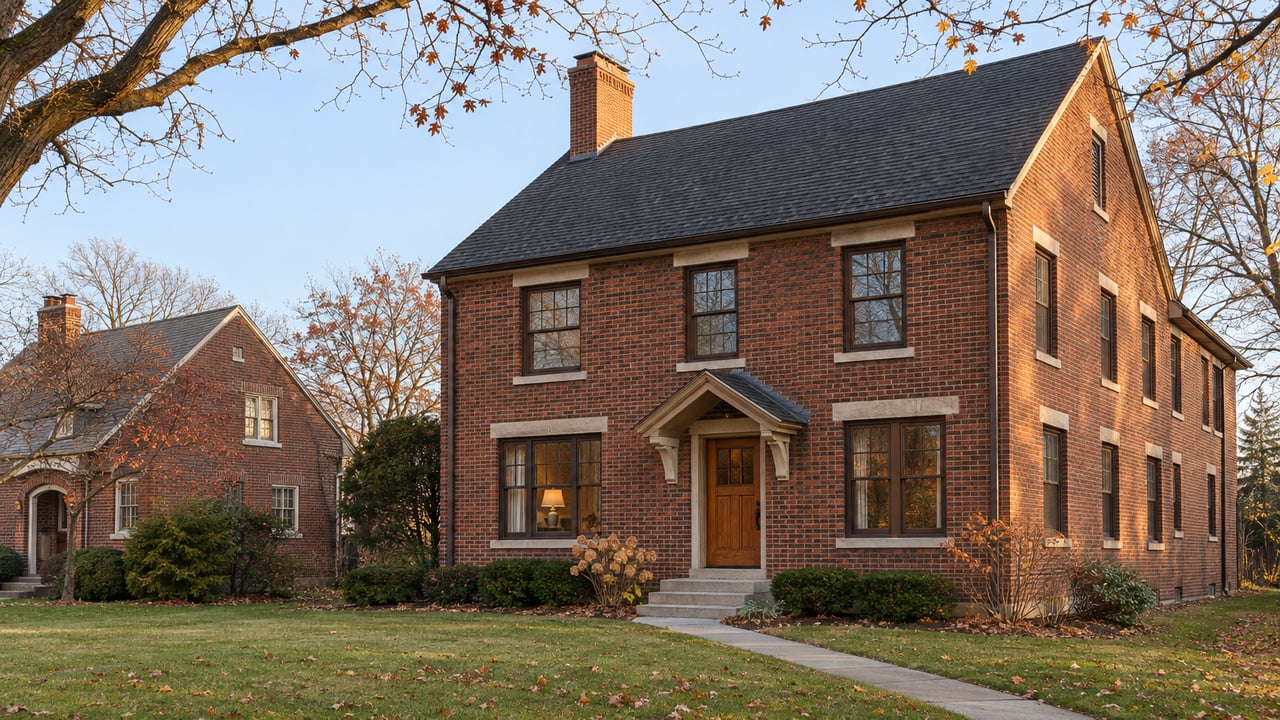
Martin Park's listings in late October looked different from the homes that sold in the summer. On October 26, 2026, six homes were for sale, at a median asking price of $239,400. The listed homes averaged about 2,090 square feet and five bedrooms, and most were built in 1928.
At first glance that asking price looks well above the $155,000 sold median. But the median ask per square foot on those listings was $83, which is below the $91 per foot that Martin Park homes actually sold for in the third quarter. The higher asking prices come from bigger houses. Per foot, sellers were asking less than the summer's buyers paid.
Those listings had been on the market for a median of 179 days as of October 26. That's about six months, for larger homes priced below the neighborhood's recent per-foot sale rate. If Martin Park's bigger houses picked up a premium from University District's reputation, five-bedroom homes asking $83 a foot would not need half a year to sell. On this evidence, the extra rooms add footage at Martin Park's per-foot rate, and buyers who want that much house at that price are a smaller group, which takes time to find.
A buyer can use this. A 2,000-plus square foot Martin Park home is priced against the neighborhood's own per-foot rate, so the comparison that counts is the price per foot of recent Martin Park, Bagley and Fitzgerald sales. A comparable-sized University District sale tells you less. For a seller, the same arithmetic means a University District comp sets an expectation the Martin Park market has not paid.
What's being planned for the corridor, and how much of it is in place
The case for Martin Park's per-foot rate rising rests on the investment aimed at Livernois and McNichols. Some of that work is open, some is scheduled and some is only a framework.
On November 4, 2026, the Kresge Foundation published the Livernois McNichols Neighborhoods Action Agenda. It is a community-informed framework to guide the next five to 10 years of investment in five neighborhoods: Bagley, Fitzgerald, University District, Martin Park and Pilgrim Village. Kresge, the Live6 Alliance and Marygrove Conservancy are running the process. Its housing category, "Thriving Homes + Residents," covers helping long-term residents stay in their homes, expanding quality housing and reducing the costs of owning and renting. Its corridor category names McNichols, Wyoming and Livernois. Both categories are written as strategies for all five neighborhoods together, with Martin Park as one of the agenda's investment zones.
Some early programs are already running, with geographic limits. The Resident Investment Opportunity Fund, a one-stop shop for home repairs, inherited-home legal issues and property taxes, is open to College Core residents now, and Kresge says it will expand to Fitzgerald and other neighborhoods. The vacant land maintenance work, more than 60 parcels being mowed, landscaped and cleaned up by Live6, the Detroit Land Bank, The Greening of Detroit and the Green Co., is in Fitzgerald. This rests on a larger commitment. In September 2025, Kresge announced $50 million for neighborhood work including homeownership, home repair and public spaces. BridgeDetroit's coverage of that announcement noted Kresge's own concern that investment could push up property taxes on surrounding homes and price residents out, which is why the agenda puts helping people stay first.
The physical projects have their own timelines. At the Marygrove campus, Kresge's September 2026 update planned groundbreaking on access, path, recreation and landscape improvements for spring 2027, with completion anticipated in 2029. On Martin Park's own edge, University of Detroit Mercy's renovation program lists the Calihan Hall and Whitty Student Fitness Center expansions with completion windows of fall 2026 and winter 2027. The former Fisher Administration Center site is being turned into a retention pond, living classroom and boardwalk, and Reno Hall is slated to be replaced by student apartments. The Black Box Theatre in the renovated Student Union held its ribbon cutting on September 29, 2025.
At street level, The Counter Detroit, a small-format grocery with produce, staples and ready-to-heat meals, opened inside Shops on Six at 7434 W. McNichols, according to the City of Detroit. Mockery Zero Proof has been a few doors away at 7400 W. McNichols since November 2024. In August 2026, the City also named Dewey Dealer, Moy Hair Essentials, Eat Beauty, Sweet Aroma Candle Co. and Candidly Speaking as brands expected to stock Shops on Six. Up at the north end of the Avenue of Fashion, Model D reported in October that Queendom Nail Bar had opened at 6345 W. Seven Mile. Our late-summer Livernois and Palmer Park guide covers the state grant for extending the Livernois streetscape and the restaurants already on the Ave.
Why the per-foot gap matters more than the plans
Through the third quarter, almost none of this showed up in Martin Park's price per foot. Most of the long-horizon work has not been built yet, and some of the programs that are running stop at Fitzgerald or College Core for now. Buyers in Martin Park are paying the corridor's middle-market per-foot rate for older, roomy houses near a university campus that is mid-renovation. Martin Park's $91 per foot in the quarter matched what buyers paid in Bagley and Fitzgerald. It was roughly $29 a foot below University District.
That $29 a foot gap is the number to watch. If the Detroit Mercy projects finish on schedule and the agenda's housing work reaches Martin Park blocks, the per-foot gap with University District is what should narrow. The neighborhood's median sale price can jump around from one quarter to the next on five closings. Per-foot figures for Martin Park, read against Bagley and Fitzgerald each quarter, show whether the investment is reaching prices or still mostly on paper.
The neighborhood has its own organized base. The City lists the New Martin Park Association with boundaries of Six Mile, Puritan, Highland Park and Livernois, along with the Normandy, Princeton Street and Wildemere Grove block clubs. The action agenda points residents to neighborhood association and block club meetings for updates. For a buyer weighing a particular street, those meetings show how a plan is landing faster than any quarterly report. Our Martin Park neighborhood page has more on the blocks between the campus and Palmer Park.
If you're pricing a Martin Park home, or deciding whether a five-bedroom house near Detroit Mercy is fairly priced against what actually sold this year, Liz in Detroit can run the per-foot comps for your block and show you where your house sits against Bagley, Fitzgerald and University District. Start with a home valuation, or let's connect.