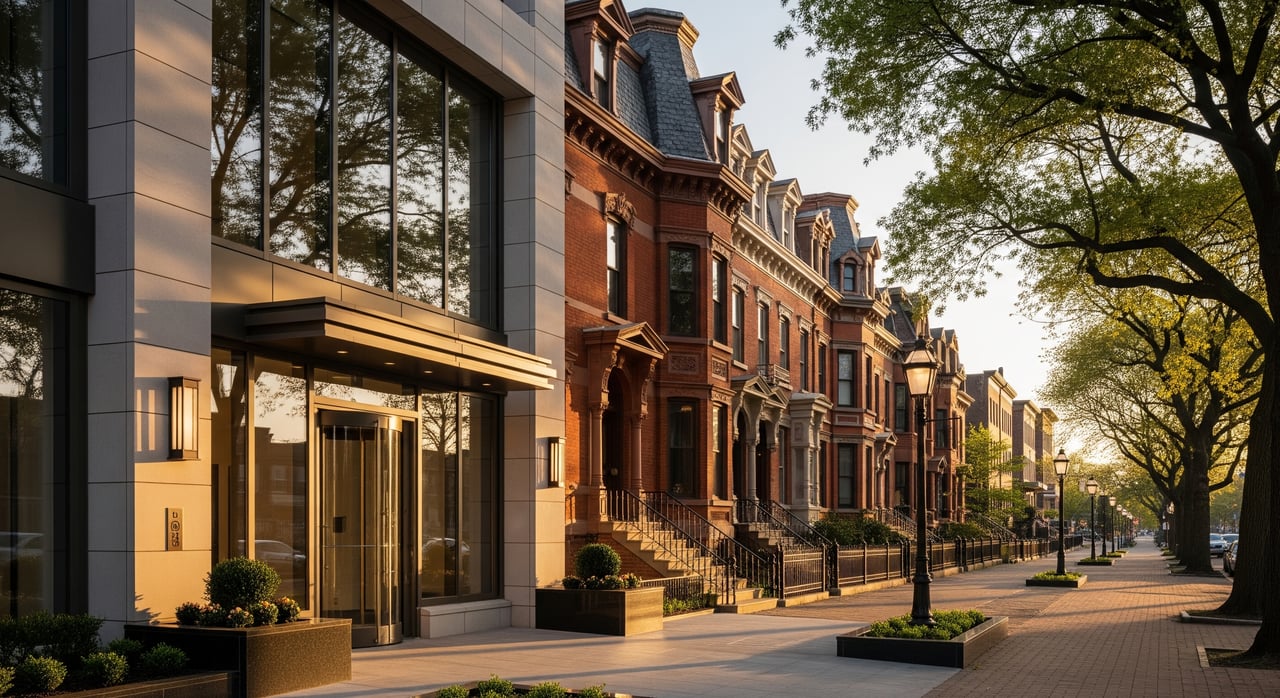
Thinking about a condo in Brush Park but not sure where to start? You are not alone. Between historic conversions and new mid-rise buildings, the options and fine print can feel complex. In this guide, you will learn how to compare condo types, review HOA health, plan financing, and write a strong offer that fits Brush Park’s urban setting. Let’s dive in.
Why Brush Park appeals
Brush Park offers a walkable, urban lifestyle near Detroit’s core. You will see restored Victorian-era homes next to sleek new developments. Many buyers choose the area for its character, newer finishes in select projects, and proximity to Midtown and Downtown jobs, hospitals, and cultural spots. Block by block, the neighborhood continues to add small businesses and amenities.
Condo types to compare
Understanding the building type helps you plan inspections, budget for maintenance, and set realistic expectations.
Historic conversions
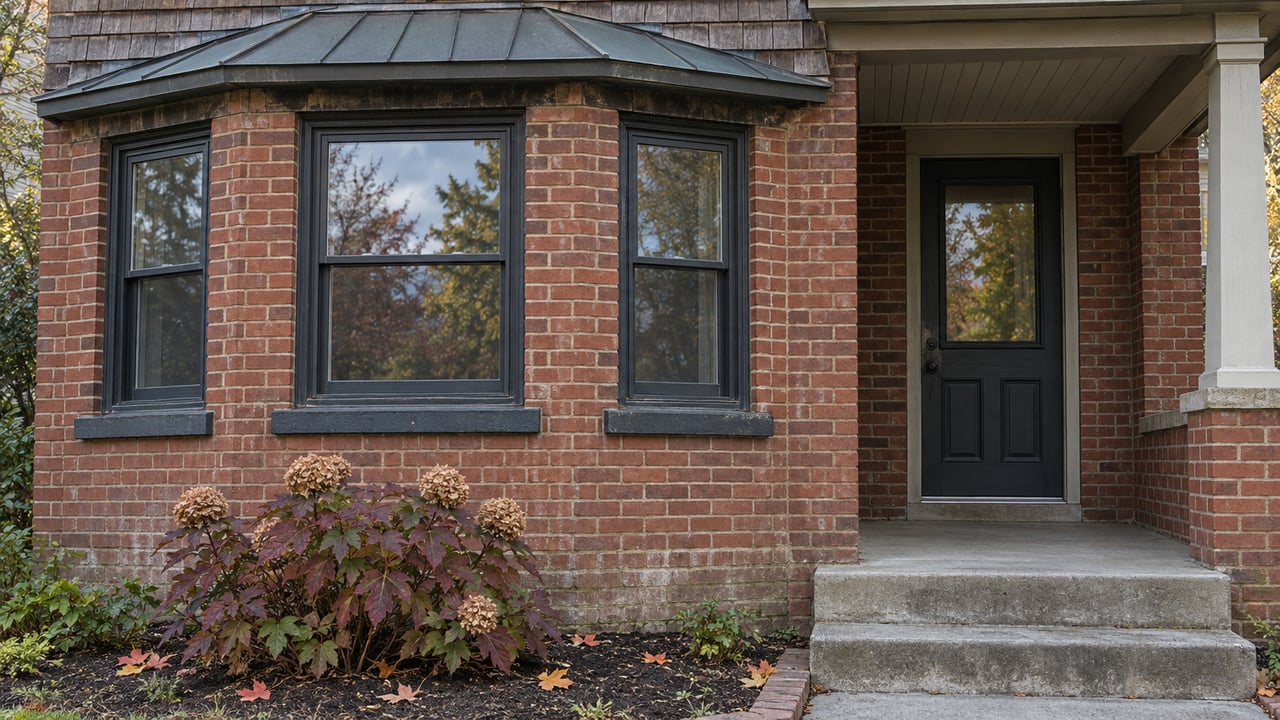
These are Victorian mansions and row houses converted into condos. You will often find tall ceilings, period millwork, unique floor plans, and masonry facades. The tradeoff can be older building envelopes, plumbing or electrical, limited parking, and smaller HOAs with thinner reserves. Focus inspections on the roof and flashing, masonry and moisture, mechanicals, electrical capacity, and any signs of lead paint or asbestos in pre-1978 areas.
New construction mid-rise
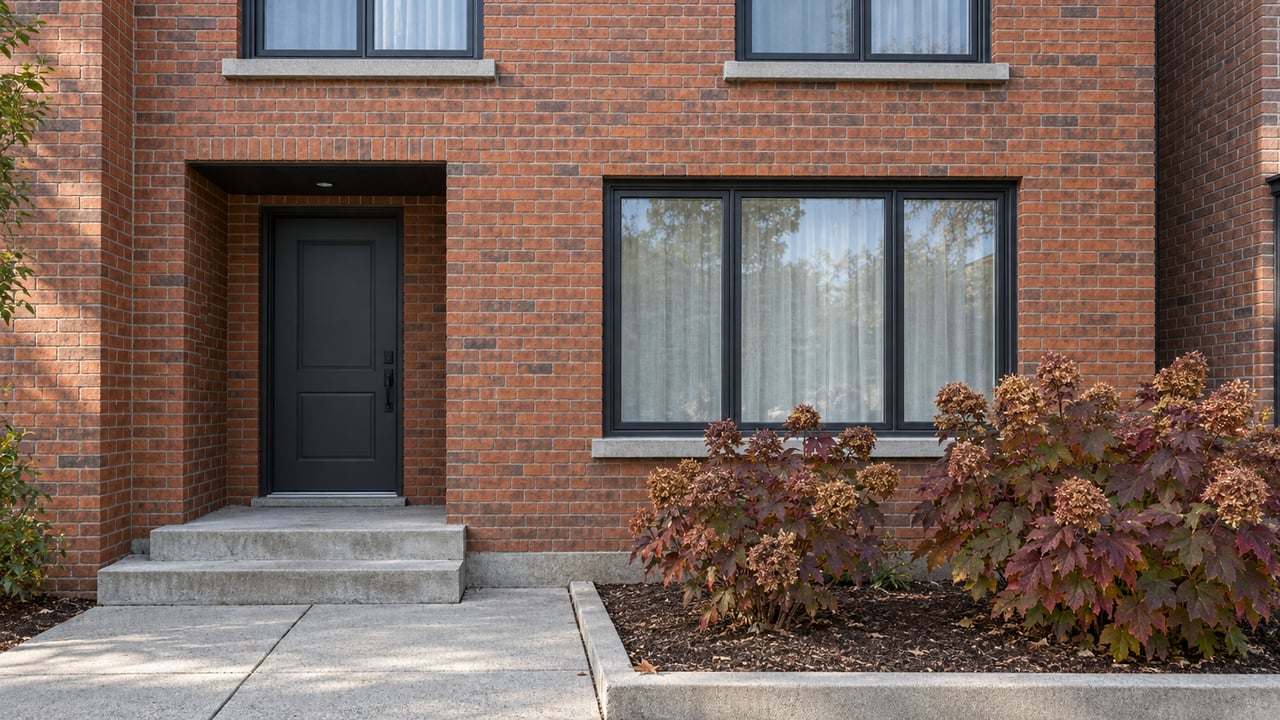
Newer buildings tend to offer modern layouts, in-unit HVAC and laundry, elevators in taller buildings, and amenity packages like secure parking or fitness rooms. Benefits include current building codes, better insulation, and warranties. Risks can include construction defects, developer-controlled HOAs with limited reserves, punch-list delays, and post-closing special assessments for common areas. Verify warranty terms, sound separation, elevator and mechanical quality, and building envelope coverage.
Mixed-use and adaptive reuse
Some properties include retail below and homes above. Expect more street activity, deliveries, and potential noise. Confirm how commercial tenants affect shared systems, costs, and building rules.
Parking and mobility basics
Parking varies by project, so confirm the details early.
- Deeded or assigned off-street parking is most desirable. Confirm if a space is deeded on title or simply assigned by the HOA.
- Tandem spaces reduce flexibility. Clarify who controls both spots.
- Some garages offer monthly rental spaces. Ask about waitlists and fees.
- On-street parking can require a permit and varies by block and time of day.
- Visitor parking rules differ widely. Helpful for guests and service pros.
Quick checklist:
- How many spaces come with the unit?
- Are they deeded or assigned, and are there fees?
- What are guest and service parking rules?
- Are there waitlists for extra spaces or storage?
HOA fees and governance
A healthy HOA shapes daily life, resale value, and lender approval.
What fees usually cover
Monthly dues often include the building’s master insurance, exterior and roof maintenance, common-area utilities, janitorial, snow and landscaping, trash, security, reserve contributions, and management. Some associations include a portion of unit utilities or charge extra for parking or storage. Ask for a line-item breakdown.
Documents to review
Request the Master Deed or Declaration, Bylaws, Rules and Regulations, Articles, the condo plat or site plan, and any amendments. Review the current operating budget, recent financial statements, the reserve study and balance, insurance certificates with deductibles, recent board meeting minutes, and any pending or past litigation. Obtain an estoppel letter that shows dues, assessments, and any outstanding balances.
Financial health red flags
Be cautious if you see low reserves with big deferred maintenance, frequent special assessments, high delinquency rates, or pending litigation, especially construction-defect claims. Opaque finances under developer control also deserve extra scrutiny. Favor recent reserve studies, stable budgets, and transparent board minutes.
Daily-life rules to confirm
Check rental caps and lease approval steps, short-term rental policies, pet rules and fees, renovation approval processes and work hours, and guest or amenity scheduling. Make sure the lifestyle fits how you plan to live.
Financing and insurance
Condo financing and insurance have project-level details that matter.
Lender project approval
Many lenders require project approval by an agency or through their own underwriting. New or very small associations can be harder to finance. Owner-occupancy levels, rental caps, low reserves, or litigation can affect loan options, down payments, and rates. Engage a condo-experienced lender early and confirm project eligibility.
Insurance essentials
Understand whether the master policy is all-in or bare-walls. Most owners need an HO-6 policy that covers personal property, interior finishes, and liability. Verify the master policy deductible and your share of any coinsurance.
Taxes and assessments
Confirm assessed value through local records and ask about any history of special assessments. In historic buildings, facade or roof projects can trigger assessments. In newer developments, finishing common spaces can do the same.
Title and closing items
Title must include the unit description and common element interest. Confirm the legal description, parking rights or easements, and any required HOA documents for resale like estoppel or move-in rules. Make sure the estoppel is current before closing.
Brush Park vs nearby options
You have choices close by. Compare the lifestyle and building stock to decide what fits best.
Lifestyle and vibe
Brush Park blends restored historic properties with boutique and mid-rise projects in a residential-feeling setting. Midtown is closer to universities and a concentration of cultural venues and restaurants depending on the block. Downtown is denser, with more offices and high-rises, and often more around-the-clock activity.
Resale and investment
Historic units can command premiums for character but may require episodic repairs. New builds can attract buyers who value turnkey living and amenities. If you plan to rent someday, consider rental rules and local demand patterns when you underwrite.
Noise and events
Proximity to entertainment areas can add energy and convenience, yet also bring noise and event parking pressures. Visit the block at different times to get a clear read.
Smart offer strategy and timeline
Plan your steps so you keep control from offer to close.
Pre-offer prep
- Get pre-approved with a condo-savvy lender.
- Tour the property and request HOA documents early.
- Align on parking, storage, and lifestyle rules before you write.
Offer contingencies
Include time to review HOA documents, complete inspections, and secure financing tied to project approval. If documents reveal low reserves, litigation, or big capital needs, keep your right to cancel. You can negotiate a seller credit or price change for near-term repairs.
Inspection period
Schedule general and specialty inspections tailored to the building type. In historic conversions, add envelope and roof reviews, moisture checks, and testing for lead-based paint or asbestos where relevant. For elevator buildings, request maintenance or inspection reports.
Pre-closing checks
Confirm parking and storage assignments, move-in rules, transfer fees, and master insurance details. Make sure the estoppel letter is up to date.
Brush Park condo buyer checklist
- Obtain pre-approval from a condo-experienced lender.
- Ask for HOA documents and an estoppel letter before finalizing terms.
- Hire an agent experienced with Brush Park and Detroit condos.
- Schedule general and specialty inspections as needed.
- Review the operating budget, reserve study, 12 months of minutes, litigation history, insurance, and special assessment history.
- Confirm parking rights, storage, and guest parking rules.
- Confirm rental and pet policies.
- Confirm closing costs, transfer fees, and any capital contributions due at closing.
- For new builds, obtain developer warranties and a punch-list timeline.
- Bring in a local real estate attorney if documents or litigation are complex.
Ready to find the right Brush Park condo and navigate the details with confidence? Reach out to LizinDetroit for neighborhood-smart guidance, condo expertise, and hands-on negotiation support.
FAQs
What do Brush Park condo HOA fees typically cover?
- They often include the master insurance policy for common areas, exterior and roof maintenance, common utilities, cleaning, snow and landscaping, security, reserves, and management, with some projects adding user fees for parking or storage.
How do I know if a Brush Park condo qualifies for financing?
- Ask for the project’s approval status and share the HOA documents with your lender early, since owner-occupancy levels, reserves, and any litigation can affect loan programs and terms.
What parking options should I expect with a Brush Park condo?
- Options range from deeded or assigned spaces to monthly garage rentals and on-street parking, so verify how many spaces are included, whether they are deeded, and what rules apply to guests.
Which inspections are most important for a historic Brush Park condo?
- Prioritize envelope and roof reviews, moisture assessments, mechanical and electrical capacity checks, and testing for lead-based paint or asbestos where relevant, and consider a structural engineer if you see settlement or large cracks.
How can I evaluate the financial health of a Brush Park HOA?
- Review the reserve study and balances, recent financials, meeting minutes, insurance details, and any history of special assessments or litigation to spot strengths or red flags.
What hidden costs should I plan for when buying a Brush Park condo?
- Possible costs include special assessments, higher master policy deductibles that shift to owners, in-unit repairs like HVAC or appliances, and HOA move-in or transfer fees.
How does Brush Park compare to Midtown or Downtown for condo buyers?
- Brush Park offers a residential feel with historic and boutique buildings, Midtown clusters near cultural and university anchors, and Downtown provides denser, high-rise living with more around-the-clock activity.