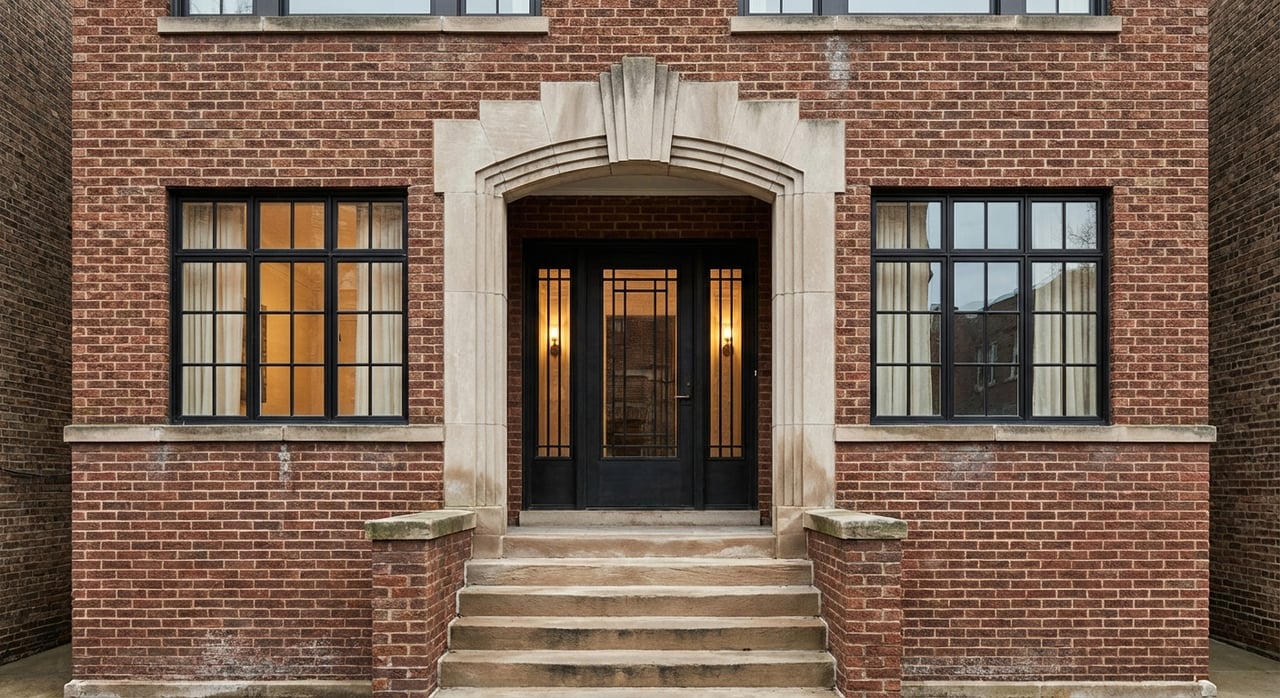
You want a home that blends neighborhood character with a creative pulse — and puts you close to the river. East Village on Detroit’s East Side checks those boxes with historic architecture, a growing arts campus, and new construction that offers modern convenience. In this guide, you’ll learn where East Village sits, what kinds of homes you can buy, how to read today’s mixed market signals, and what to know about taxes, transit, and due diligence. Let’s dive in.
East Village at a glance
East Village sits just east of Indian Village and inland from the Detroit River, commonly grouped within The Villages corridor. Guides often use Mack Avenue to the north, East Jefferson Avenue to the south, Van Dyke to the west, and St. Jean to the east. For context and a neighborhood snapshot, see the local guide for East Village on Rebuild Detroit’s site. You are about 3 to 5 miles from downtown and close to the RiverWalk and Belle Isle for many blocks inside the neighborhood. Source
Walkability in the 48214 ZIP generally lands around the low‑50s on Walk Score, which means some errands are doable on foot. The Jefferson Avenue bus (DDOT Route 9) has multiple stops that serve the neighborhood and connects you to downtown and the East Riverfront. If you like biking, the RiverWalk network adds recreational connectivity. Transit convenience varies by exact block, so test your commute on Route 9.
Homes and architecture you’ll find
Historic single‑family character
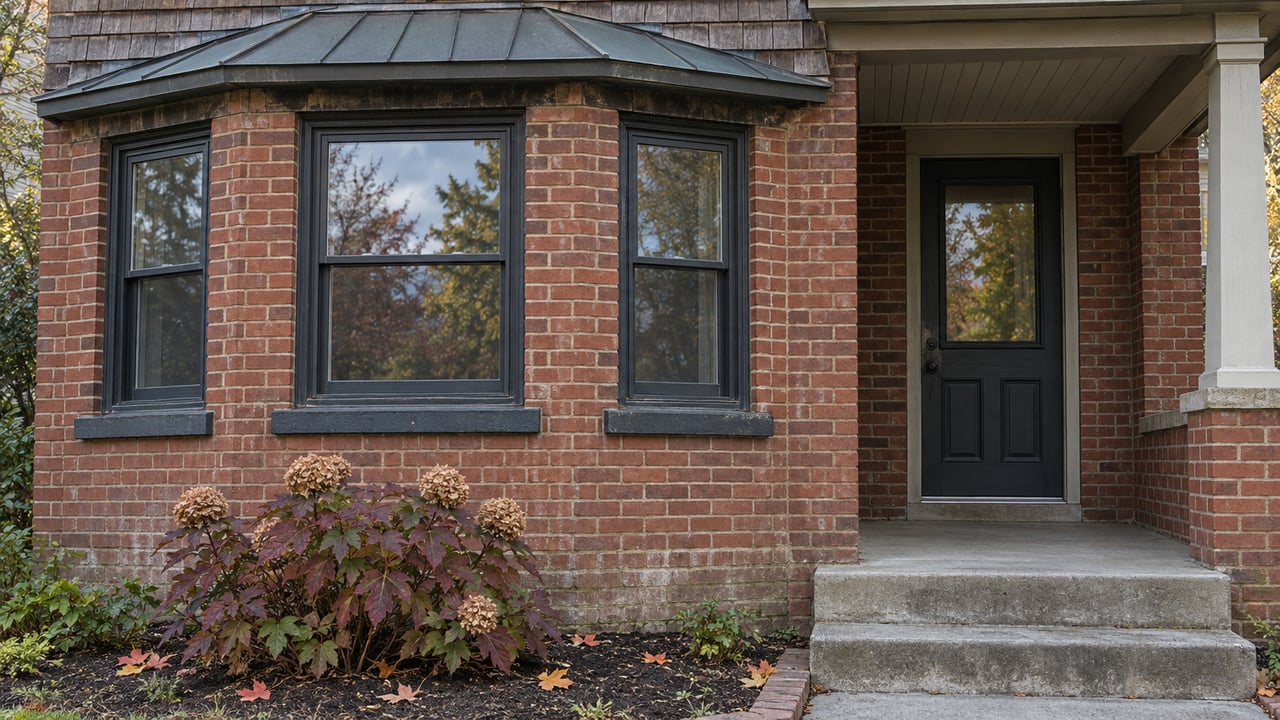
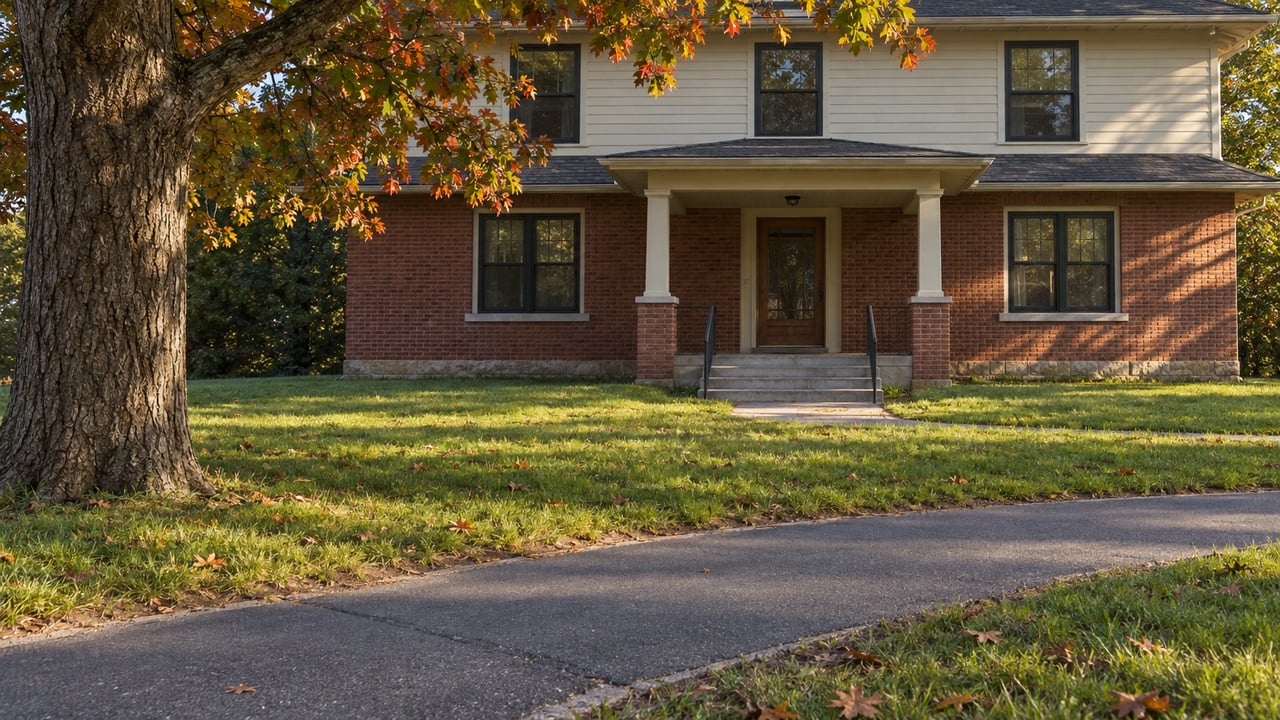
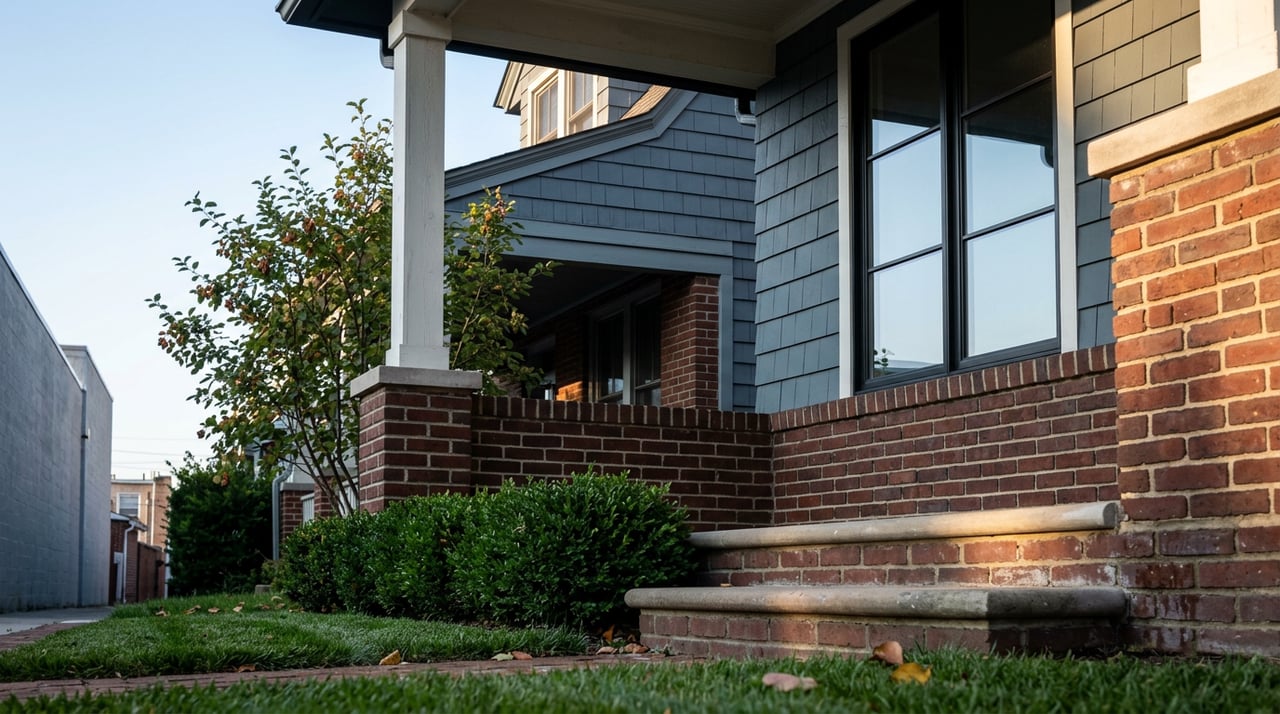
Many East Village blocks feature early 20th‑century homes — Colonial Revivals, Foursquares, and Victorians — often with larger footprints and architectural detail. Renovations and owner‑occupant rehabs are common, creating a mix of polished houses and projects-in-progress. If you love period charm and porch streetscapes, this fabric is a core draw. You’ll often find lower entry prices than the larger mansions in Indian Village next door.
Classic apartments and small multifamily
Along Jefferson, historic mid‑rise apartment buildings and classic blocks add rental options and smaller investment units. A few older structures have seen creative office or retail conversions that add foot traffic and street life. This variety helps support different price points and living setups within the neighborhood.
New construction and townhomes
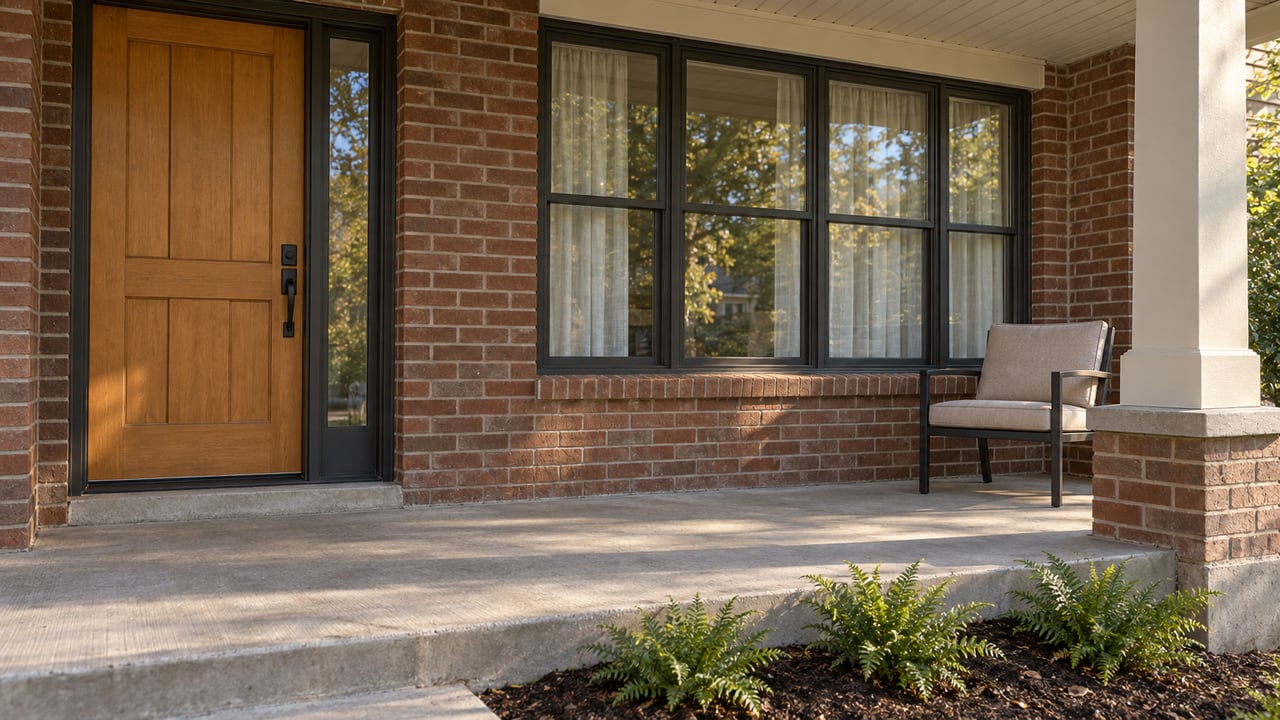
Design‑forward builders have added modern infill homes and townhouses on streets like Fischer and Holcomb. Many of these are 2 to 3 bedrooms and are often listed in the mid‑$300k to $500k+ range on recent offerings. A common selling point is the potential Neighborhood Enterprise Zone (NEZ) abatement — up to 15 years of reduced city and county operating millage for qualifying new construction. Always confirm a specific address and paperwork with the City’s assessor before you rely on it. Learn about NEZ rules.
What the numbers say today
Public data sources show very different headline metrics for East Village. Recent examples illustrate the spread: a median sale price near $71,000 in January 2026 on one sales feed, a typical value index around $56,800 at year‑end 2025 on another, and a median listing price roughly $220,000 on a listing‑driven portal. The mismatch comes from small sample sizes and a mix of low‑priced rehabs alongside higher‑priced new builds on the market at the same time.
A practical way to budget is to think in ranges. Move‑in‑ready rehabs commonly fall in the $175k to $450k band, while many new‑construction homes list in the mid‑$300k to $550k range. Prices change quickly and vary by block, finishes, and incentives, so request current, block‑level comps from a local agent before you write an offer. The key takeaway: metrics vary by source and your best read will come from very recent comparables.
Why it’s called an arts district
The Shepherd and Little Village
A major catalyst is The Shepherd, an adaptive reuse of the former Good Shepherd Church into a contemporary arts center, paired with a small campus that includes LANTERN, BridgeHouse, a sculpture garden, and a Tony Hawk‑designed skate feature. These projects, led by Library Street Collective and partner designers, have drawn regional and national attention and increased destination traffic to the area. Explore the project background on the design team’s page for context. Project overview
Pewabic Pottery and local makers
Nearby, Pewabic Pottery is a living arts institution founded in 1903 and listed as a National Historic Landmark. It continues to produce ceramics and host classes, exhibitions, and shop visits that bring people to the East Side. This arts legacy strengthens the neighborhood’s creative identity. Read Pewabic’s history
Riverfront momentum
Plans for Stanton Yards aim to transform a riverside site into a public‑facing cultural and recreational destination, expanding the Little Village footprint toward the water. For long‑term buyers, this kind of riverfront activation can shape future amenities and foot traffic. See the latest concept materials for Stanton Yards. Stanton Yards vision
Small businesses and events
Seasonal markets, pop‑ups, and block‑club events are part of daily life around The Villages. Community groups host regular programming that supports local shops and creates walkable moments along key corridors. To get a feel for the calendar, browse the community events listings. Community events
Is East Village right for you?
- You want historic character with a wider affordability spread than formal mansion districts next door.
- You like the idea of an arts‑anchored neighborhood near the RiverWalk and Belle Isle.
- You are comparing a renovated historic home with the simplicity of new construction and a potential NEZ abatement.
- You value transit access along Jefferson and do not mind a mix of car and bike trips.
Practical buying checklist
Taxes and NEZ
- Confirm whether the address is inside an active NEZ district and whether the property qualifies for the up to 15‑year abatement. Request the filed documents and verify with the City’s assessor. NEZ FAQs and lookup
Transit and commute
- Map your daily route via DDOT Route 9 on Jefferson if you expect to use transit. Time a morning and evening trip to check frequency, then compare with your drive or bike option. DDOT Route 9
Schools
- Local public options include Hutchinson (elementary/middle) and Southeastern High School. School assignments and program details can change, so confirm with Detroit Public Schools Community District and any specific schools you are considering before you buy.
Safety, inspection, and permits
- Crime patterns vary by block. Review recent incident data from Detroit’s open‑data resources and speak with neighbors to understand patterns over time.
- If you are weighing a renovation or considering a new build on an empty lot, factor in both hard costs and soft costs. Recent reporting in Detroit notes that new single‑family construction can be more expensive than expected. Read a local overview
Flood and site considerations
- Proximity to the river is a perk, but always check your parcel on FEMA’s Flood Map Service Center. Ask your lender and insurer about flood‑plain implications and coverage. FEMA flood maps
East Village vs nearby options
- Indian Village: A formal historic district to the west known for large, high‑value mansions and a preservation mindset. Median prices are frequently reported in the high $400k to $600k range. East Village tends to be more variable and includes a growing share of new construction, which can offer a lower entry point to The Villages corridor.
- West Village / Islandview / Marina District: West Village and Islandview mix historic housing with neighborhood retail and cafés. The Marina District emphasizes riverfront condos and newer housing. East Village sits between these typologies, pairing older single‑family fabric with modern infill and an emerging arts corridor. For a district‑level overview, see this local context map. Detroit housing district overview
Next steps
If East Village fits your short list, line up two or three tours that show the full spectrum: a renovated historic home, a new build with a potential NEZ abatement, and a classic apartment option if you are exploring rent‑to‑own timelines. Ask for hyper‑local comps and a tax analysis so you understand your monthly payment with and without an abatement. When you are ready to compare homes side by side, reach out to LizinDetroit for block‑level guidance, on‑the‑ground context, and a plan that fits your goals.
FAQs
What is East Village’s location relative to downtown?
- East Village sits roughly 3 to 5 miles east of downtown Detroit, just inland from the river and next to Indian Village, with many blocks close to the RiverWalk and Belle Isle. Neighborhood overview
What price range should I budget for East Village homes?
- Move‑in‑ready rehabs commonly range from about $175k to $450k, and many new‑construction homes list in the mid‑$300k to $550k band; always check fresh comps because neighborhood metrics vary by source and change quickly.
Why is East Village described as an arts district?
- The Shepherd and Little Village campus brought galleries, sculpture, and public programming to the area, complementing long‑standing institutions like Pewabic Pottery and drawing regional attention to the neighborhood’s creative scene. The Shepherd project | Pewabic history
How does the NEZ tax abatement work for new construction?
- For qualifying properties inside an active NEZ district, the abatement can reduce certain city and county operating millage for up to 15 years; verify parcel eligibility and documentation with the City before you purchase. NEZ details
What transit options serve East Village?
- DDOT’s Jefferson bus, Route 9, runs along East Jefferson with stops serving the neighborhood and connections to downtown; exact convenience depends on your block and schedule. Route 9 info