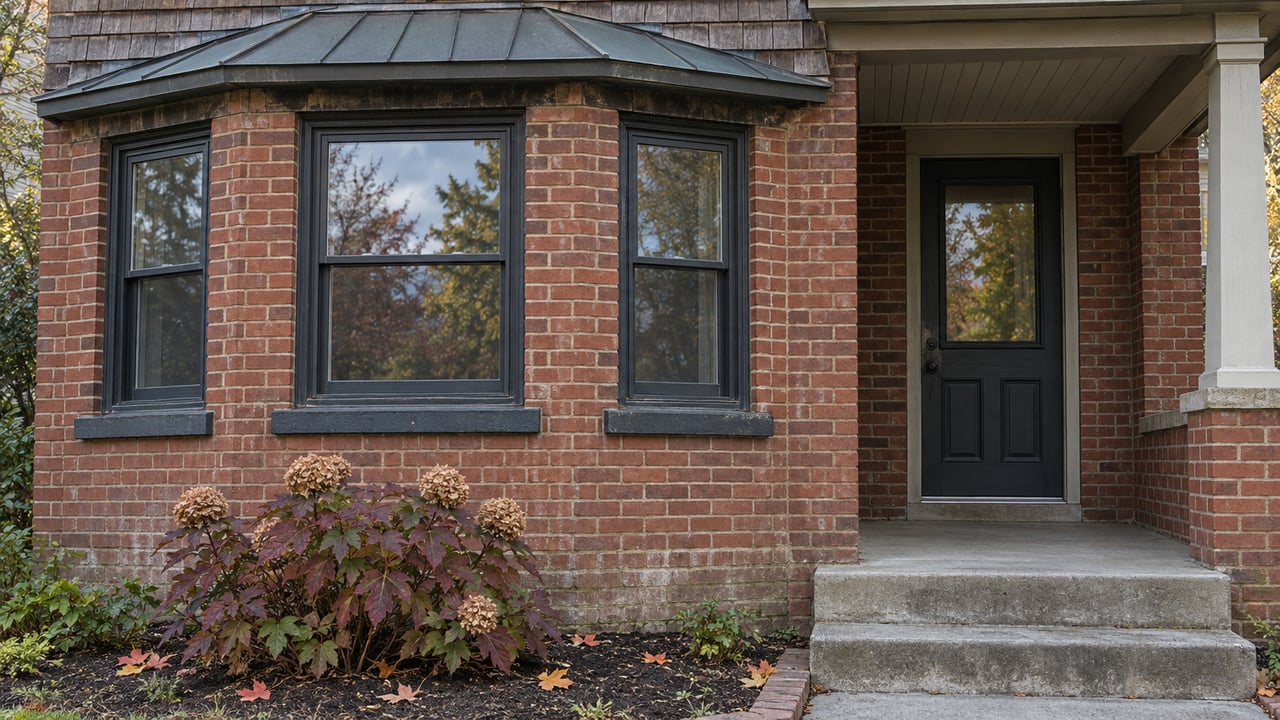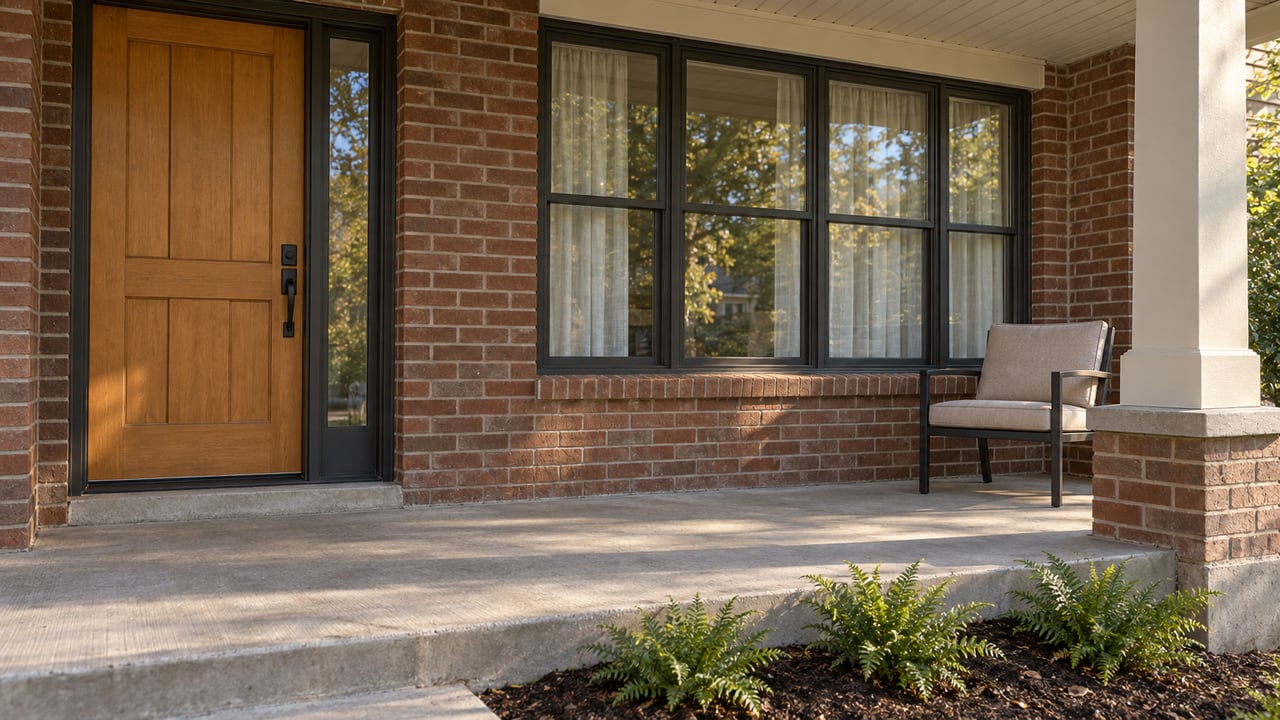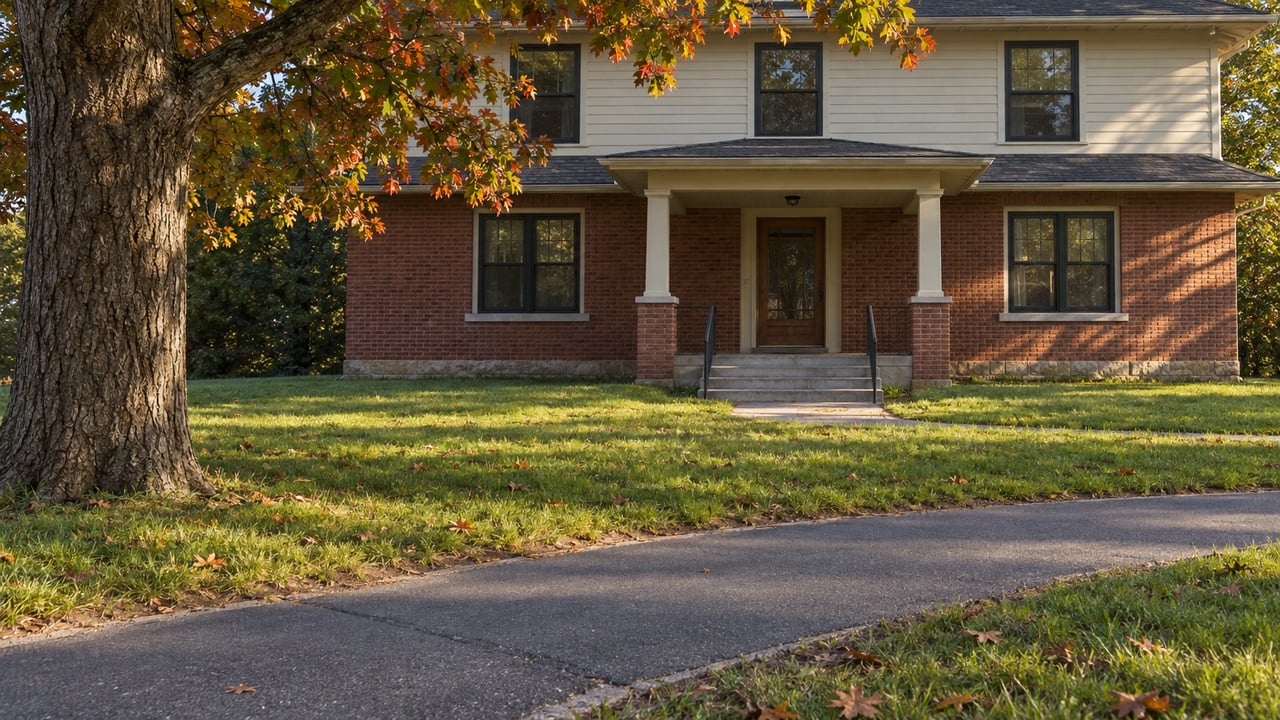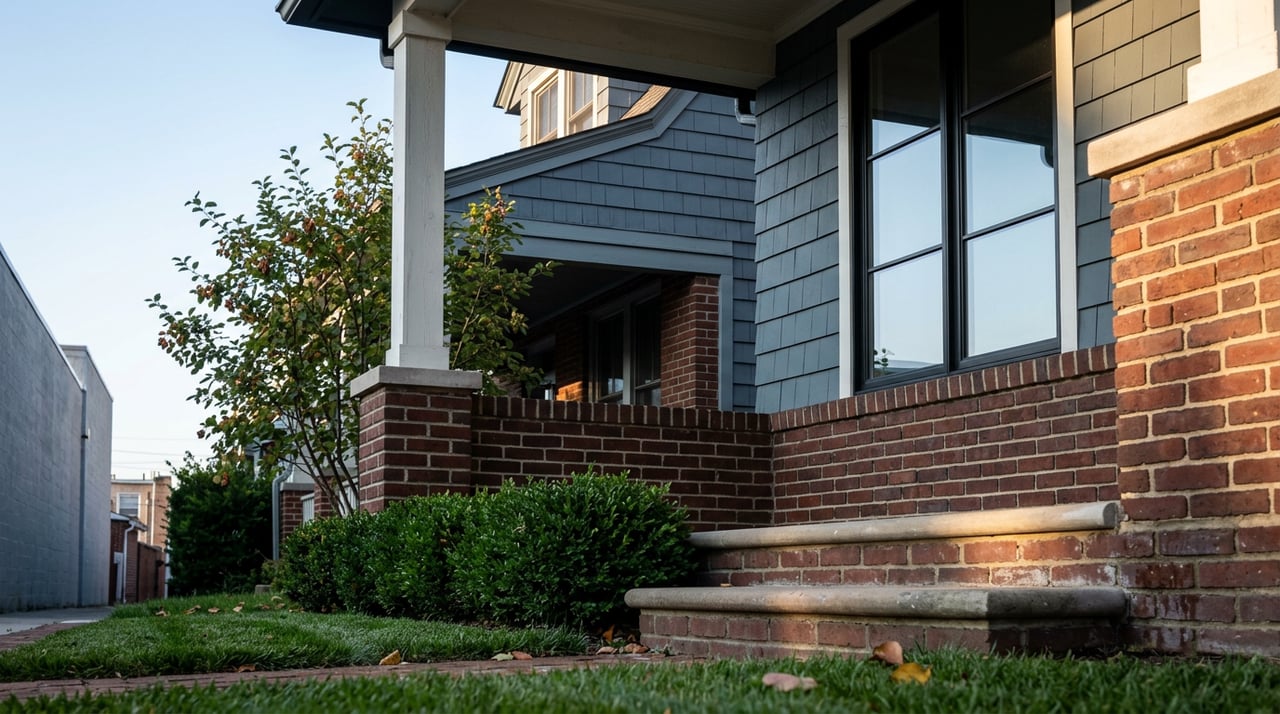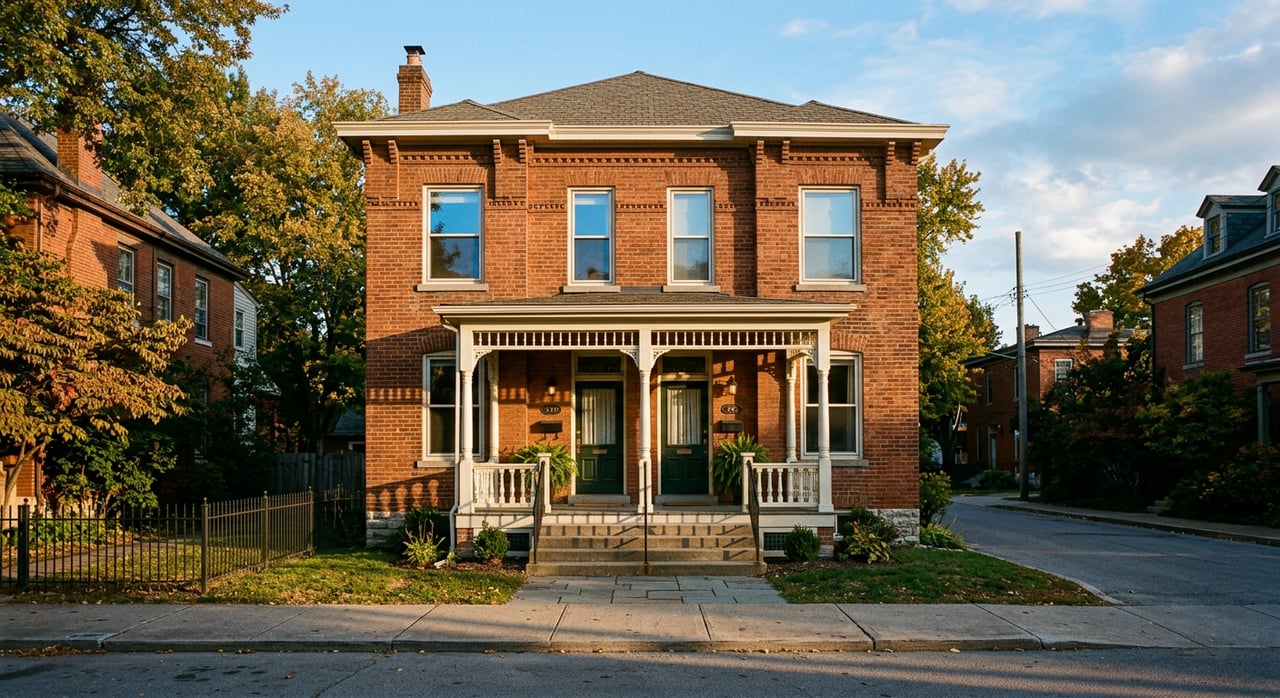
Eyeing a duplex or triplex in Detroit’s North End? The numbers can look great on paper, but one missed assumption on rents, expenses, or rehab can flip a deal from winner to headache. You want a practical, Detroit‑specific way to size up small multi opportunities so you can write confident offers. This guide gives you a clear framework, grounded in local context and lender rules, so you can underwrite quickly and avoid surprises. Let’s dive in.
North End at a glance: why it’s promising
The North End sits on the Woodward Corridor just north of New Center and Midtown. It blends historic housing, renovated properties, and active infill on formerly vacant lots. That mix creates both opportunity and block‑by‑block variability, which is why you need hyper‑local comps. For background on the neighborhood’s history and location, see the North End profile on Wikipedia.
Recent development has added momentum. The City backed The Beauton, a roughly 29‑unit affordable mixed‑use infill project that signals public and private reinvestment and can influence rent and valuation expectations nearby. You can read about The Beauton on the City of Detroit’s project update. Bottom line, this is a transitional, walkable area where street‑level details matter.
Start with metro anchors, then localize
Rents and cap rates
Use metro data as a starting point, then tighten to your subject street. A recent Detroit market snapshot reported an effective rent per unit around $1,265 and median asking cap rates near 8 percent. Small, value‑add C‑class trades often show wider yield dispersion, so plan for cap‑rate sensitivity. See the Detroit overview from Crexi’s market snapshot.
Debt costs move your DSCR
Your interest rate shapes cash flow and leverage. Freddie Mac’s Primary Mortgage Market Survey showed 30‑year fixed averages in the mid‑6 to low‑6 percent range in early 2026. Check the current rate trend on Freddie Mac’s PMMS and rerun DSCR before you write.
Income, expenses, and NOI that will appraise
Income and vacancy
For 2–4 unit properties, lenders lean on the income approach. Fannie Mae requires appraisers to include an income analysis with rental comps and a GRM calculation for these properties. That means your rent assumptions need to be credible and supported by nearby leases. Plan a stabilized vacancy of 5 to 10 percent, using the higher end if you are repositioning units. Review Fannie’s guidance on the income approach for 2–4 units in the Selling Guide.
Operating expenses and reserves
As a quick starting point for older, small multi, budget an operating expense ratio of 40 to 50 percent of gross scheduled rent, plus a vacancy allowance before calculating NOI. Also set aside 5 to 10 percent of gross income for reserves and capital expenditures, then replace these placeholders with actual line items as you gather quotes. These are common rules of thumb for small multifamily, summarized for beginners by HonestCasa.
Mini math example
Suppose a duplex with two 2‑bed units supports $1,200 per unit per month. Gross scheduled rent is $28,800 per year. With 8 percent vacancy, effective income is about $26,496. If operating expenses run 45 percent, expenses are $11,923 and NOI is roughly $14,573. At an 8.5 percent cap, that NOI supports a value near $171,447. This is a screen, not an offer number, so verify every line item.
Quick screens you can run today
- GRM check: GRM equals Price divided by Gross Annual Rent. Compare your subject’s GRM to recent local duplex and 2–4 unit sales nearby.
- The 50% Rule: Expect around half of gross rent to flow to operating expenses and reserves on many small buildings. Experienced self‑managers sometimes run leaner, but confirm with real P&Ls.
- Cash‑on‑cash guardrails: Stress‑test your down payment and rate. A 50 to 100 basis point rate shift can break DSCR and cash flow.
- Exit cap sensitivity: Model value at plus or minus 100 to 200 basis points from your base cap rate. In small multi trades, spreads vs. asking can be meaningful. Use the Crexi snapshot as a high‑level anchor and tighten with local comps.
Renovation scope and cost signals
Right‑size your rehab plan early. Typical buckets:
- Light, cosmetic: paint, flooring, fixtures, minor electrical or plumbing fixes, clean‑up. Goal, lease to market with minimal downtime.
- Moderate, systems + interior: kitchen and bath refresh, partial system servicing, window repairs, limited layout tweaks.
- Heavy, structural or code: roof replacement, full HVAC swaps, foundation repairs, major structural or lead hazard remediation.
Use local bids to confirm numbers. For example, small asphalt roof replacements in Michigan often land in the low‑thousands to low‑five‑figures depending on size and scope, which aligns with statewide guidance from HomeAdvisor’s Michigan roof cost page. If your building was built before 1978 and you plan to disturb paint, factor in time and cost for EPA Renovation, Repair and Painting rules and Title X disclosure. Contractor selection and work practices must follow lead‑safe standards. See the EPA’s overview of Title X disclosure and RRP compliance.
Compliance and registration in Detroit
Detroit enforces rental registration, safety inspections, and lead requirements for older stock. That can introduce scheduling and scope risk if you are buying a building that needs work before it can be legally rented. Before you close, verify the property’s registration status, inspection history, and any open violations with the City’s BSEED team. For context on Detroit’s enforcement history and lead policy, review this public health report.
Financing and appraisal paths for small multi
Lenders evaluate 2–4 unit income differently than single‑family homes. As noted above, Fannie’s rules require appraisers to include an income approach for these properties, so document current leases and support your pro‑forma with nearby rental comps from multiple sources. If you plan to live in one unit, FHA’s 203(k) can package purchase plus renovation for 1–4 unit owner‑occupied properties, subject to program rules. See HUD’s consumer fact sheet on FHA 203(k) and confirm fit with an FHA‑approved lender.
A step‑by‑step worksheet you can use
- Pull hyper‑local rental comps within a half mile and six months, then call three landlords on the same unit type to confirm asking vs. achieved rents.
- Enter base assumptions: rent, 5 to 10 percent vacancy, 40 to 50 percent operating expense ratio, and 5 to 10 percent reserves. Replace placeholders with real quotes as you gather them.
- Get a lender pre‑check on your specific building. Ask how the appraiser will treat income, what DSCR they require, and how today’s rate and points change your maximum loan.
- Scope the rehab. Obtain two or three written bids for roof, HVAC, electrical, plumbing, windows, lead‑safe compliance, and permits. Build a realistic timeline.
- Confirm Detroit compliance. Verify rental registration status, prior inspections, and whether lead clearance is required before lease‑up.
- Price property management. Include tenant placement fees, turn costs, utility billing strategy, and routine maintenance.
- Model your exit. Run value at multiple cap rates, both for a refinance and a resale. Note how neighborhood signals like The Beauton or new infill on your block could influence buyer expectations.
Exit strategies worth modeling
- Hold and operate for cash flow. Season the rent roll, then consider a refinance to scale into your next duplex.
- BRRRR. Buy, rehab, rent, then refinance to pull equity, subject to appraisal and lender DSCR.
- Sell stabilized. After value‑add, market to owner‑occupants or small investors. Use nearby closed sales and income comps for pricing support.
If you want a second set of eyes on a North End duplex, or you need local rent comps and contractor referrals, reach out. As a lifelong Detroiter with two decades advising buyers and sellers, Liz brings neighborhood‑level insight and hands‑on deal support. Start a conversation with LizinDetroit.
FAQs
What cap rate should I use to evaluate a North End duplex?
- Use metro Detroit anchors of about 8 percent from recent market snapshots, then tighten to immediate local comps. Model sensitivity at plus or minus 100 to 200 basis points because small multi trades can vary.
How do Detroit rental inspections affect my underwriting timeline?
- Detroit requires rental registration and safety, with lead rules for older homes. Build time and cost for inspection, remediation, and clearance into your plan, and verify status with BSEED. The city’s enforcement history is summarized in this public health report.
What vacancy and expenses should I use for small multifamily in Detroit?
- A common start is 5 to 10 percent vacancy and a 40 to 50 percent operating expense ratio, plus 5 to 10 percent for reserves. Replace placeholders with actual bids and management quotes as you diligence the property.
Can I use FHA 203(k) to buy and renovate a North End duplex if I live in one unit?
- Yes, FHA 203(k) can finance purchase and renovation for 1–4 unit owner‑occupied properties, subject to program rules. Confirm specifics with an FHA‑approved lender using HUD’s consumer fact sheet.
How should I verify the rents a seller claims are “market” in the North End?
- Request signed leases and deposit receipts, confirm banked rent, and run a fresh rent survey on nearby, similar units. For 2–4 unit appraisals, Fannie Mae requires an income approach with rental comps, so your file should mirror that standard.