Thinking about ditching the daily drive in Midtown Detroit? You are not alone. In 48201, many residents already get around on foot, by bike, or with a quick transit ride to work, school, healthcare, and the arts. This guide walks you through how car-light living really works in Midtown: where you can walk for errands, how to use QLINE and buses, how to handle groceries, and what to know about parking when you do need a car. Let’s dive in.
Midtown at a glance
Midtown is Detroit’s cultural and educational core, centered along Woodward Avenue with key anchors like Wayne State University, the Detroit Institute of Arts, and the Detroit Medical Center. You will also hear sub-areas referenced such as the Cultural Center, North Cass, Brush Park, and the Medical Center district. For a neighborhood overview and current business listings, explore the Midtown Detroit Inc. page for the area’s highlights and events (Midtown Detroit Inc. neighborhood guide).
ZIP 48201 skews young and renter-friendly. According to Census Reporter, the population is about 15,000, the median age is roughly 32.4, and median household income is about $24,700, with around 8,180 households and 10,273 housing units. These numbers help explain why you see a strong mix of student housing, apartments, and condo options here (Census Reporter profile for 48201).
Walkability by block
If you live near the Woodward and Cass corridor, many daily errands work on foot. Independent shops, cafés, and small services are clustered in North Cass, while the Cultural Center concentrates museums and performance venues. Expect smaller markets and specialty food shops rather than large suburban-style supermarkets. For a quick feel of walkability claims, many apartment listings in core Midtown advertise Walk Scores in the 80s or 90s (example listing with walkability highlights).
Walkability varies block by block. Buildings on or just off Woodward, Cass, or Selden typically have the best foot access to coffee, takeout, and transit. If walking is your priority, preview your typical week on a map: groceries, pharmacy, transit stops, and your most frequent destinations.
Transit that works
QLINE runs along Woodward Avenue between Downtown, Midtown, and New Center. It is a short, frequent connector for hopping to concerts, games, and errands, or for quick north-south trips within the urban core. Policies and fare status have changed in recent years, so before you ride, check the official page for current hours and fares (RTA’s QLINE information).
City buses (DDOT) and regional buses (SMART) also serve Midtown, including Woodward corridor routes and SMART’s FAST limited-stop services that link suburbs to the core. If you work or visit outside the city often, these lines can be helpful for cross-regional commutes. For planning and live info, use agency apps and schedules (DDOT overview from Visit Detroit).
Wayne State and hospital campuses operate shuttles that link buildings and some park-and-ride points. If you study or work at these institutions, check the current shuttle routes and eligibility to reduce your need for a car.
Bikes, greenways, and quick rides
MoGo, Detroit’s station-based bike-share, has multiple stations across Midtown and Downtown and offers classic bikes, e-bikes, and adaptive options for riders with varying mobility needs. It is a fast and flexible way to cover 1 to 3 miles for errands and short commutes (MoGo FAQ with system details).
For lower-stress riding, the Dequindre Cut creates a car-free connection between Eastern Market and the riverfront, with access points not far from Midtown. It links into the Detroit RiverWalk and other bikeable streets for scenic, practical rides (Dequindre Cut overview). Midtown’s on-street bike network is improving but still patchy, so combine greenways with calmer streets where possible.
Groceries and daily errands
You will find cafés, delis, small markets, and specialty shops throughout Midtown’s core. For a fuller weekly shop, many residents head to Eastern Market for produce and specialty items or take a bus or occasional rideshare to a larger regional supermarket. Delivery services are common for heavy items, especially in winter. Building policies vary on package rooms and concierge handling, so confirm how deliveries work in your specific property.
Healthcare close to home
With the Detroit Medical Center and affiliated clinics in the neighborhood, many residents can reach urgent and scheduled care on foot, by bike, or via short transit rides. The DMC campus is a major trip generator and a reason Midtown suits car-light living for many healthcare workers and patients (DMC site for campus details).
Events, games, and busy nights
Midtown’s proximity to arenas and downtown venues makes event days lively. Expect spikes in rideshare prices and bus loads around game times and concerts. QLINE and buses are popular on these nights. If you host driving guests, plan ahead for paid lots and garages, which can be limited or pricier on event days.
Winter-ready car-light living
Detroit winters are real. Snow and cold can slow transit, reduce bike-share availability, and affect sidewalk conditions. Plan for layers, waterproof footwear, and a backup plan for commute days with slowdowns. Knowing a few sheltered bus stops and indoor handoff points for rideshare helps. Climate normals show regular snowfall over the season, so set expectations and routines early (NOAA climate summary for Detroit).
Housing and parking tradeoffs in 48201
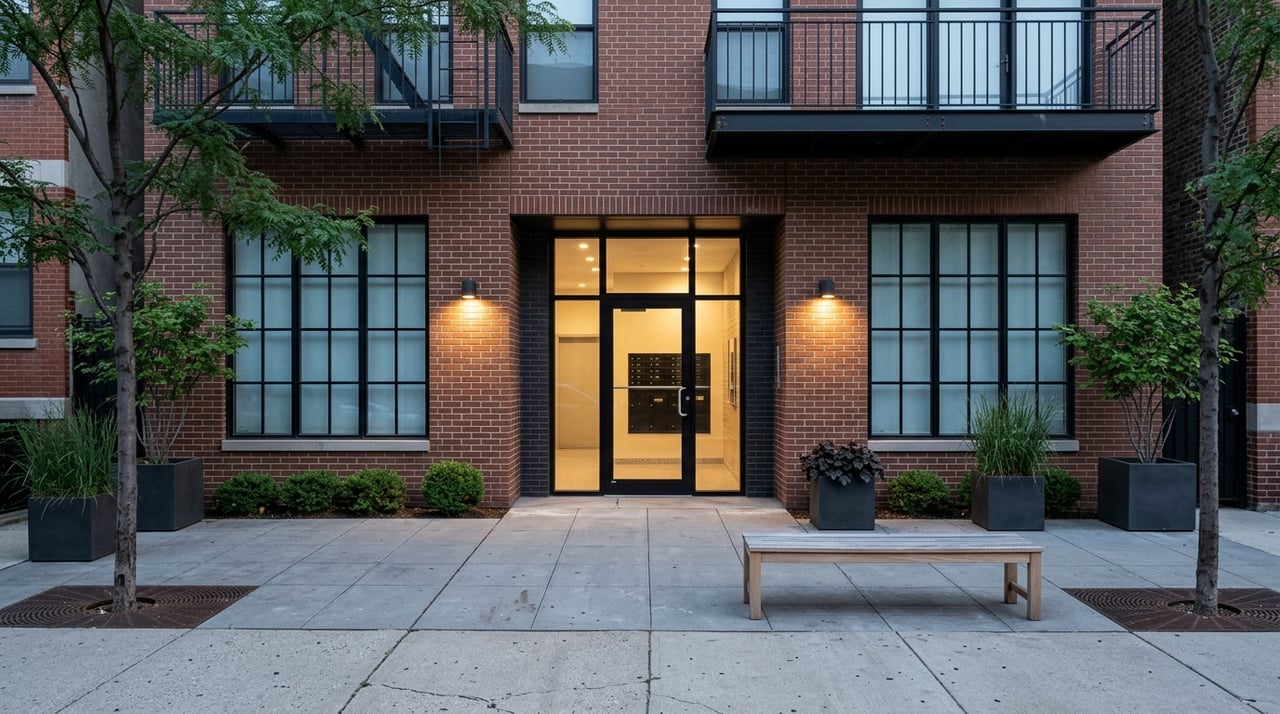
Midtown offers a wide range of buildings: historic apartments and loft conversions, newer infill condos and townhomes, purpose-built student housing, and some institutional housing. Many central buildings advertise on-site bike storage, package rooms, and proximity to transit. Optional paid parking is common, but availability and fees vary by property and change often, so always verify listing details directly (sample listing with parking notes).
Public garages and metered street parking cluster near commercial corridors and the Cultural Center. On event days, plan for higher demand and special pricing. Some buildings use waitlists or lotteries for limited on-site spaces, so ask early in your search.
If you want car-light living
- Prioritize buildings within a short walk of Woodward or Cass for quick access to QLINE and buses.
- Look for secure bike storage, a package room or concierge, and ground-floor retail nearby.
- Map your daily loop: grocery, pharmacy, transit stops, and your main campus or office.
If you sometimes drive
- Choose a building with optional monthly parking if you anticipate keeping a vehicle.
- Identify the closest public garages for occasional overnight parking, especially during events.
- Consider rideshare or short car rentals for bulk shopping to avoid paying for year-round parking.
If you study or work on campus
- Check campus shuttle routes and eligibility to reduce or skip parking costs.
- For late classes or rotations, confirm building access policies for deliveries and packages.
- Use MoGo or a personal bike for quick cross-campus trips when weather permits.
Sample day-in-the-life routines
Here are a few realistic patterns drawn from Midtown’s mobility options:
Young professional, car-light
Walk to a neighborhood café, then take QLINE or DDOT to a Midtown office or meeting. Lunch on Cass, a quick gym stop, then bike to a friend’s place. If it runs late, pick up a MoGo for a fast ride home. This routine works best from central Woodward/Cass blocks (QLINE overview).
Student or medical staff, car-optional
Walk to classes or hospital rotations, use campus shuttles for cross-campus trips, and rely on secure bike storage plus MoGo for errands. For a big grocery run, schedule a rideshare to a regional supermarket and split with a roommate.
Family with occasional driving
Live in a Midtown building with optional parking. Use transit and bike-share for school or daycare drop-offs and nearby errands. Keep a car for weekend trips or bulk shopping and park in the building’s garage or a nearby lot as needed.
Safety and how to research blocks
Safety questions are common when you are learning a new neighborhood. Midtown sees different activity levels by block and by time of day, especially around events. For current, block-level reported incidents, review the City of Detroit’s open data resources and map the areas you frequent. The Detroit Open Data portal publishes DPD incident datasets, which you can explore for patterns over time (Detroit incident dataset reference). Use the data as one input along with personal visits and local knowledge.
Putting it together
Car-light living in Midtown works best when you choose a location that fits your routine, then layer in flexible options: walking for nearby errands, QLINE and buses for daily hops, MoGo for fast 1 to 3 mile trips, and rideshare for the outliers. For housing, the sweet spot is a building that pairs bike storage and package handling with optional parking you can add only when you need it.
If you want help narrowing buildings and blocks to match your daily life, reach out. We pair deep Midtown knowledge with condo and co-op expertise to help you choose the right place, not just the right property. Connect with LizinDetroit to talk through your plan.
FAQs
Can you live car-free in Midtown Detroit 48201?
- Yes, many residents in the Woodward and Cass core handle most trips on foot, bike, QLINE, and buses; occasional rideshare covers longer or bulk errands (example walkability context).
How do groceries work without a car in Midtown?
- Use nearby small markets for frequent items, shop Eastern Market for produce, and rely on rideshare or delivery for heavy loads; confirm your building’s package policies.
What is the QLINE and where does it go in Detroit?
- QLINE is the streetcar along Woodward linking Downtown, Midtown, and New Center; check the RTA page for current hours and fares before you ride (QLINE details).
Are bikes and MoGo practical year-round in Detroit?
- Yes in fair weather, with usage dropping during snow and deep cold; MoGo and greenways like the Dequindre Cut add flexibility when conditions are good (MoGo FAQ).
How do you handle parking if you own a car in Midtown 48201?
- Choose a building with optional monthly parking or identify nearby garages; confirm current fees and availability, which vary by property and event days (sample listing with parking notes).