Thinking about buying a Martin Park duplex and living in one unit while renting the other? It can be a smart way to lower your monthly housing cost, build experience as an owner, and buy into a neighborhood with classic Detroit housing stock. But in Detroit, a live-in landlord plan works best when you look beyond the listing price and understand financing, city rules, taxes, and repair risk before you close. Let’s dive in.
Why Martin Park fits duplex buyers
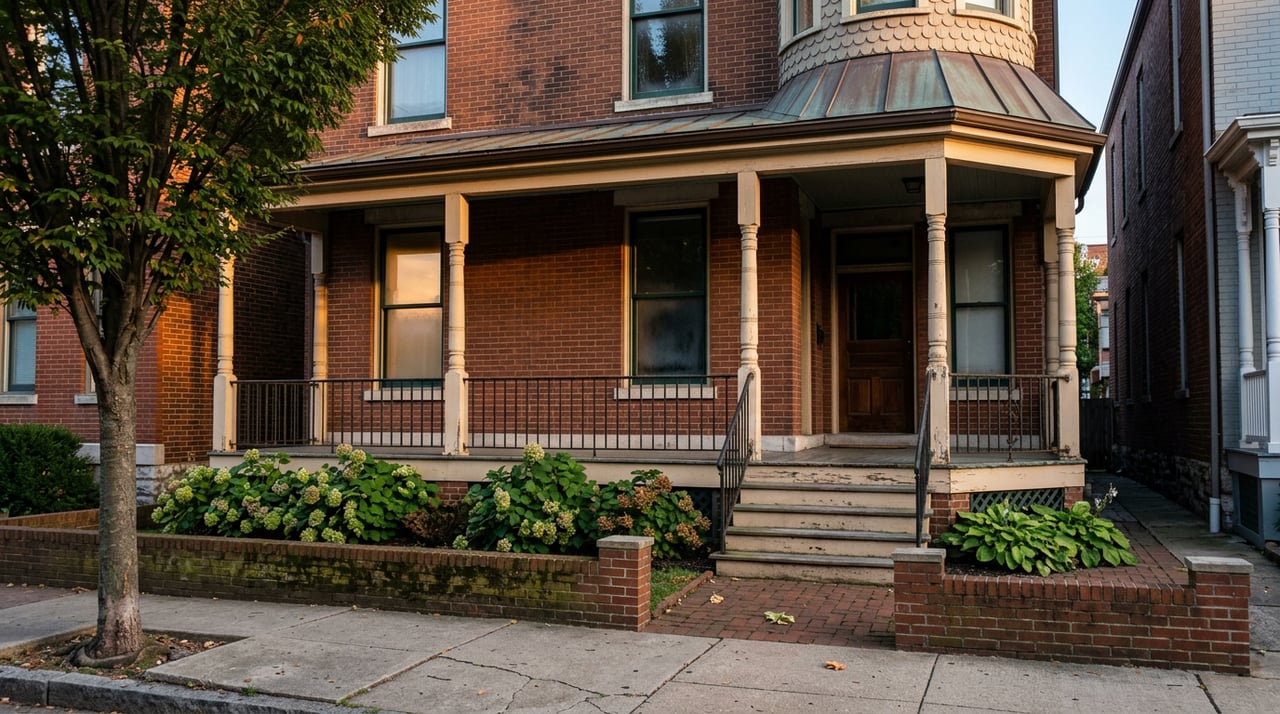
Martin Park is a residential neighborhood on Detroit’s west side with a mix of single-family homes and duplexes, including familiar Detroit styles like Tudors and bungalows. It also sits in Detroit District 2 and includes active neighborhood groups such as the New Martin Park Association, Normandy Block Club, and Princeton Street Block Club, according to the City Wide Block Club List.
For a house-hack buyer, the location has another practical advantage. The University of Detroit Mercy McNichols Campus is at 4001 W. McNichols Rd., and the university says most McNichols students commute and live off campus. That does not guarantee a tenant, but it does make nearby duplexes more plausible for student-adjacent or staff-adjacent rental demand.
Recent pricing also helps explain why buyers keep watching this area. Redfin reported a February 2026 median sale price of $153,000 and 70 days on market in Martin Park. That suggests the neighborhood may still offer a relatively accessible entry point, especially if you are comparing it to more expensive Detroit submarkets.
What live-in landlord math really means
The biggest mistake many duplex buyers make is assuming the rent from the other unit will cover a huge chunk of the payment right away. In reality, lenders and smart buyers usually use a more conservative number. You want to think in terms of monthly housing cost minus effective rent, not just the advertised rent amount.
For example, if the second unit could rent for $1,200 per month, a conventional underwriting approach may not count the full $1,200. Fannie Mae guidance says lenders generally multiply gross monthly rent by 75% when using rental income to qualify on a two-to-four-unit primary residence. In simple terms, that $1,200 headline rent may be treated more like $900 for qualifying purposes.
That does not mean your real-world cash flow will match that number exactly. It is just a useful underwriting example. You still need to budget for vacancy, repairs, turnover, and reserves after closing.
Owner-occupant financing options to ask about
If you are buying a duplex as your primary residence, FHA is often where buyers start. HUD states that FHA 203(b) mortgage insurance is available for one-to-four-unit properties and advertises about 96.5% financing. For many buyers, that lower down payment can make a duplex purchase more realistic.
Conventional financing may also work, especially if your lender can use rental income from the second unit to help you qualify. Fannie Mae allows rental income on a two-to-four-unit primary residence, but documentation matters. A lender may want current leases, an appraiser rent schedule, or both.
When you speak with lenders, ask direct questions early:
- How do you calculate rental income for a duplex primary residence?
- Do you need a current lease, a market-rent analysis, or both?
- How many months of reserves do you require after closing?
- How does the loan change if the property needs repairs before move-in?
These details matter because duplex financing is usually more document-heavy than a standard single-family purchase.
Detroit rental rules to confirm first
Before you assume you can close and immediately rent the second unit, check Detroit’s current requirements. The city says rental properties must pass a 15-point inspection and obtain a Certificate of Compliance. For one- and two-unit properties, inspections are routed through approved third-party companies after registration.
There is one important wrinkle for owner-occupied duplex buyers. Detroit’s public guidance is not perfectly aligned. The city’s 2025 landlord quick-reference guide says an owner-occupied duplex with one rented unit is excluded from “rental property,” but another city FAQ has described one- and two-family homes differently.
The practical move is simple: get written confirmation from BSEED before you rely on an exemption. That gives you clarity before closing and helps you avoid expensive surprises if the city requires registration, inspection, or compliance work.
Lead rules can affect your timeline
If the duplex was built before 1978 and you plan to rent one unit, lead compliance is not something to figure out later. Detroit requires a lead inspection and risk assessment, plus clearance before occupancy for covered rental properties. The city also states that a rental registration and Certificate of Compliance cannot be obtained without lead clearance.
That matters for both budget and timing. If a property needs lead-related work, your first tenant timeline may shift, and your upfront costs may rise. When you are evaluating a duplex, ask whether the seller has current documentation and whether any past lead clearance records are available.
Property taxes can change after closing
Detroit duplex buyers also need to model taxes carefully. The city has reported that home values increased and that assessed value can reset upward when ownership changes. So even if the seller’s tax bill looks manageable, your post-closing taxes may be higher.
There is another issue many owner-occupants miss. Michigan Treasury says a partial Principal Residence Exemption applies in a duplex when you live in one unit and rent or hold the other. In other words, you should not assume the full building qualifies for the same owner-occupant tax treatment.
This is one of the most important line items in your pre-offer math. A duplex can still work very well, but only if the payment still makes sense after a realistic tax estimate.
Inspection items that matter in Martin Park
Every duplex needs a strong inspection, but Martin Park buyers should pay close attention to water and sewer issues. Detroit says Martin Park is part of the city’s expanded Private Sewer Repair Program, and public project notices have also named the neighborhood in water-main replacement work.
That makes basement drainage and utility infrastructure worth extra scrutiny. During due diligence, ask about:
- Basement seepage or prior flooding
- Backwater protection or related upgrades
- Sewer line condition and repair history
- Water service line status
- Whether utilities are separately metered
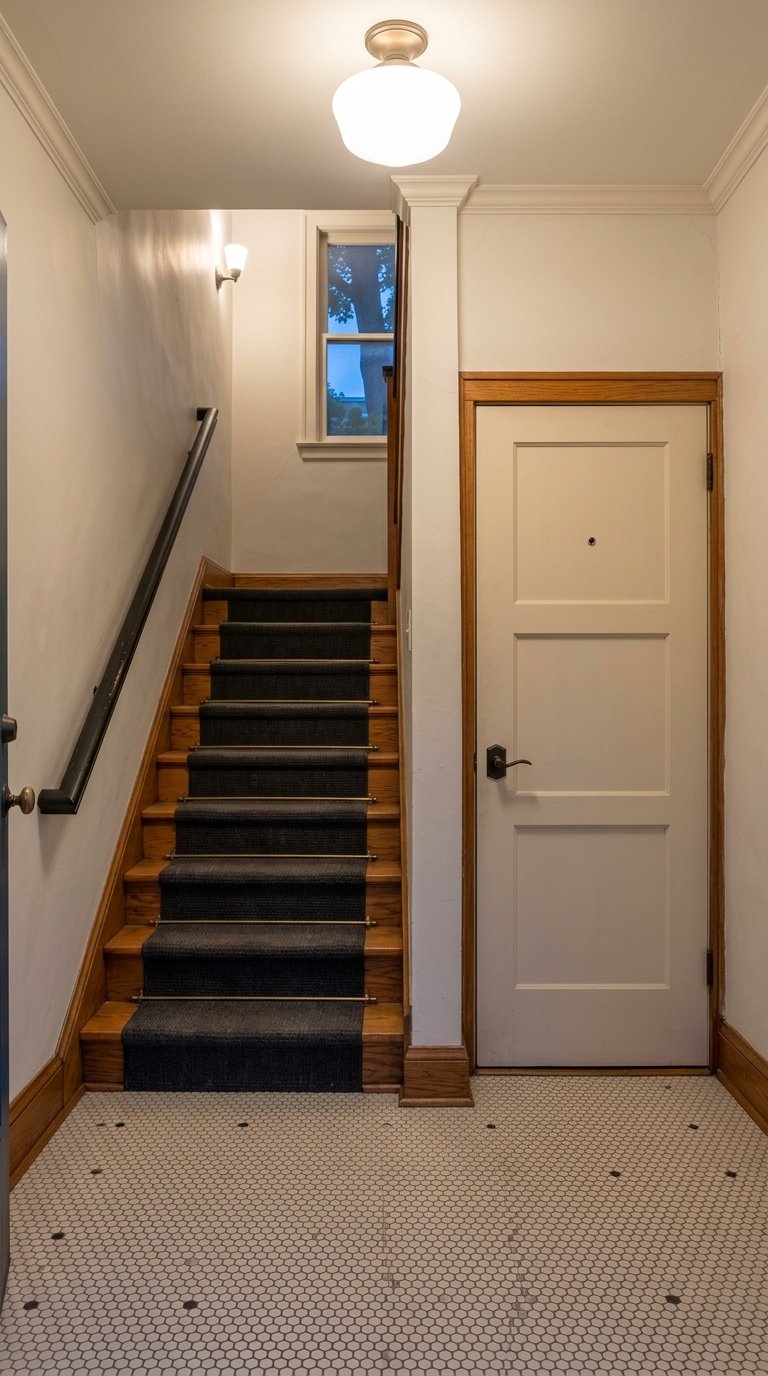
For a live-in landlord, layout matters too. Sound separation, private entrances, parking setup, and laundry access can affect both your comfort and the second unit’s rentability.
A practical first-year duplex checklist
A Martin Park duplex can work well if you underwrite it like a business and live in it like a home. Before you buy, try to answer these questions clearly:
- What is the realistic rent range for the second unit?
- What number will your lender actually use for qualifying?
- Will Detroit require registration, inspection, or lead clearance for your setup?
- Are taxes likely to rise after transfer?
- What repairs are most likely in the first 12 months?
- If you move later, which unit would be easier to rent?
- How will you handle rent collection, maintenance, and tenant communication?
The goal is not to make the deal look perfect on paper. The goal is to make sure it still works when the rent estimate is trimmed down, the taxes are reset, and the repair list is more real than optimistic.
When a Martin Park duplex makes sense
A live-in landlord purchase in Martin Park can be a strong fit if you want to offset housing costs while building long-term flexibility. The neighborhood’s duplex inventory, residential character, and proximity to the University of Detroit Mercy all support the idea, especially for buyers who want a practical entry into multi-unit ownership.
The key is disciplined planning. If the building is code-compliant, the rent estimate is realistic, and your budget can handle taxes, reserves, and first-year repairs, a duplex can be more than just a purchase. It can be a smart stepping stone toward long-term ownership in Detroit.
If you are weighing duplex options in Martin Park and want a local, clear-eyed read on value, condition, and deal structure, LizinDetroit can help you sort through the numbers and the neighborhood details with confidence.
FAQs
What makes a Martin Park duplex appealing for a live-in landlord?
- Martin Park offers a residential setting with duplex housing stock, relative price accessibility, and proximity to the University of Detroit Mercy, which may support nearby rental demand.
How does duplex rental income work for mortgage qualifying?
- For some conventional loans, lenders may use 75% of gross market rent or lease rent from the second unit, depending on the documentation and loan guidelines.
Do owner-occupied duplexes in Detroit need rental registration?
- Detroit’s published guidance is not fully consistent, so you should get written confirmation from BSEED before assuming an owner-occupied duplex is exempt from registration or inspection.
What lead rules apply to a Detroit duplex rental?
- If the property was built before 1978 and a unit will be rented, Detroit requires lead inspection, risk assessment, and clearance before occupancy for covered rental properties.
How do property taxes work on a Michigan owner-occupied duplex?
- Michigan allows a principal residence exemption only on the portion of the duplex you occupy as your principal residence, not automatically on the entire building.
What should Martin Park duplex buyers inspect closely?
- You should pay close attention to basement drainage, sewer condition, water service status, separate utilities, privacy between units, and likely first-year repair items.