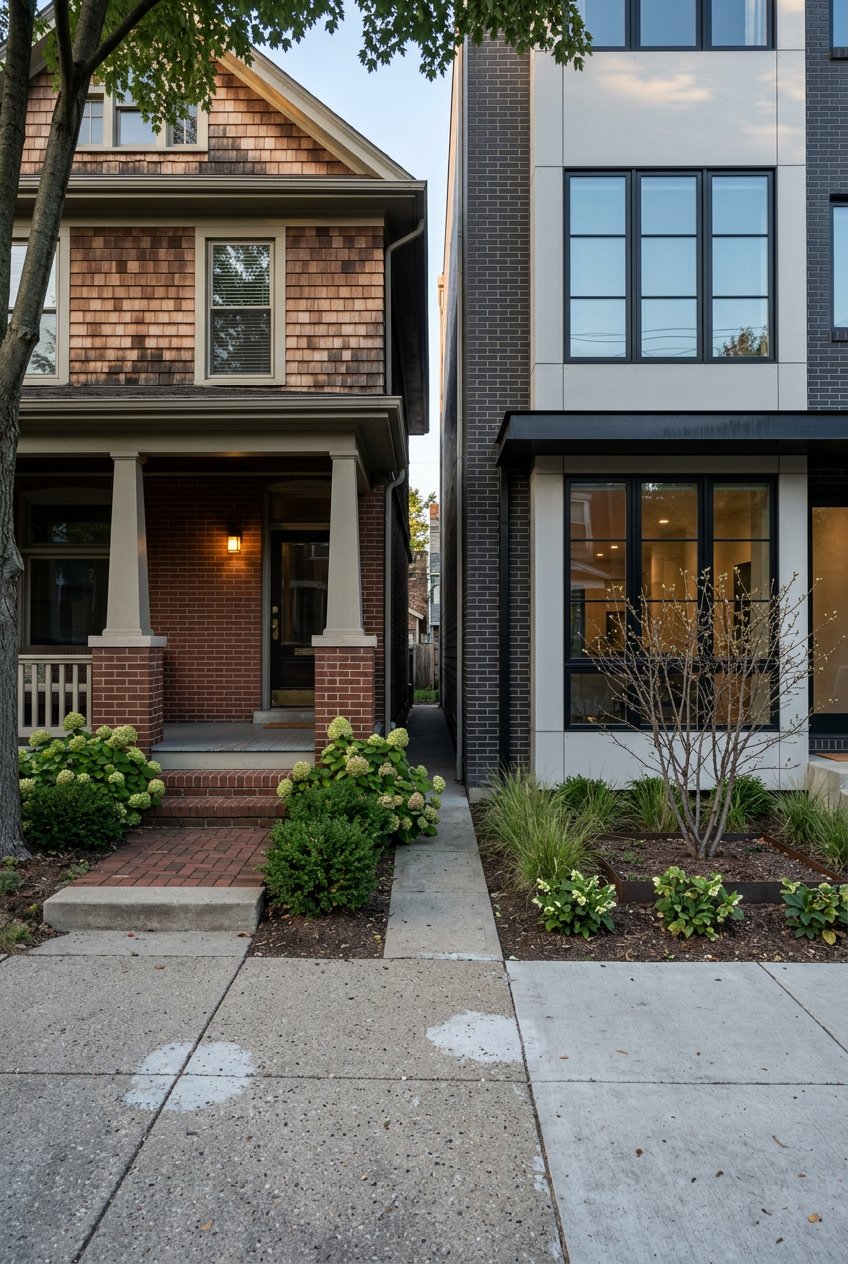
Torn between a 19th‑century cottage and a sleek new townhome in Corktown? You are not alone. With historic streets south of Michigan Avenue and fresh infill rising in North Corktown, you have real choices that fit different lifestyles and budgets. In this guide, you will learn how old and new homes compare on character, maintenance, energy, rules, financing, and resale so you can pick with confidence. Let’s dive in.
Corktown today: history meets momentum
Corktown is Detroit’s oldest surviving neighborhood and is listed as the Corktown Historic District, with many Late Victorian, Federal, and Colonial Revival homes that give the area its character. You can learn more about that heritage from the National Park Service’s summary of the Corktown Historic District.
North Corktown sits north of Michigan Avenue and is often described as the blocks between I‑96 to the west, I‑75 to the south, M‑10 to the east, and Martin Luther King Jr. Boulevard to the north. The North Corktown Neighborhood Association offers neighborhood context and events if you are starting your research.
The area’s profile has grown since Ford’s 2018 purchase and redevelopment of Michigan Central Station. That anchor has sparked public and private investment, new housing, and changing market dynamics nearby. For a broader view of how that project is shaping the area, see this overview from Saving Places.
What you will find in homes
Preserved historic houses
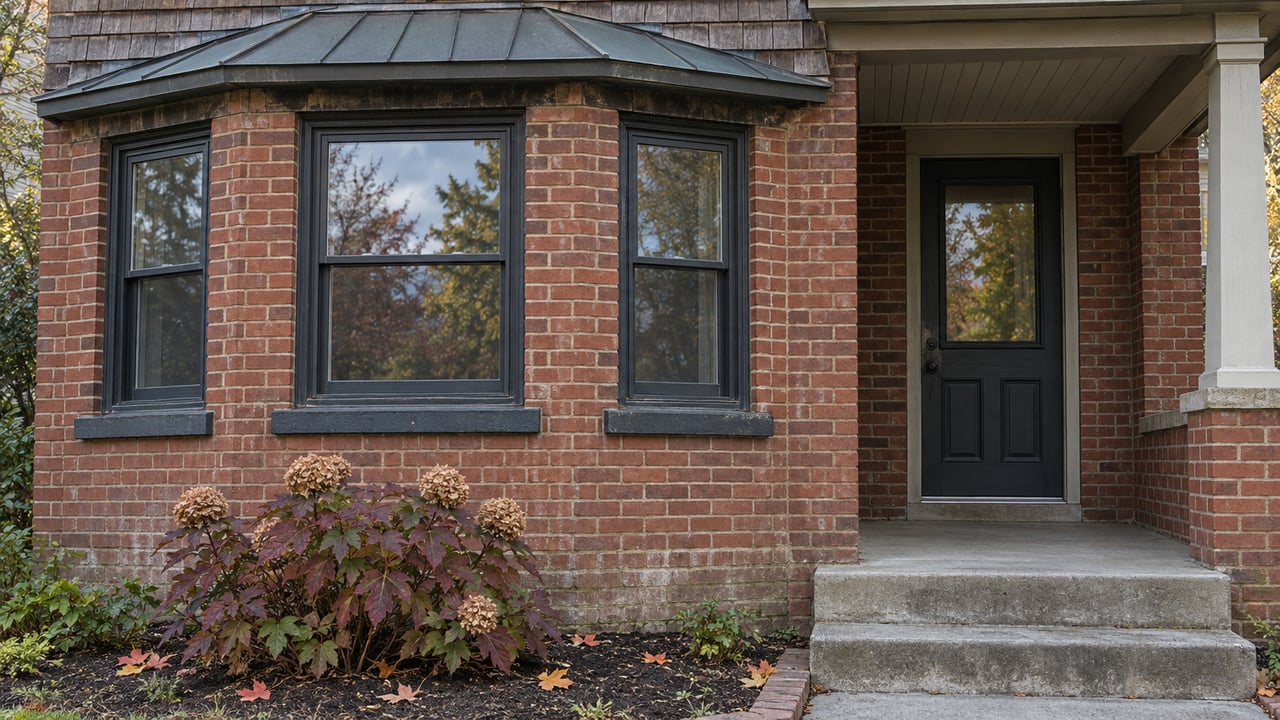
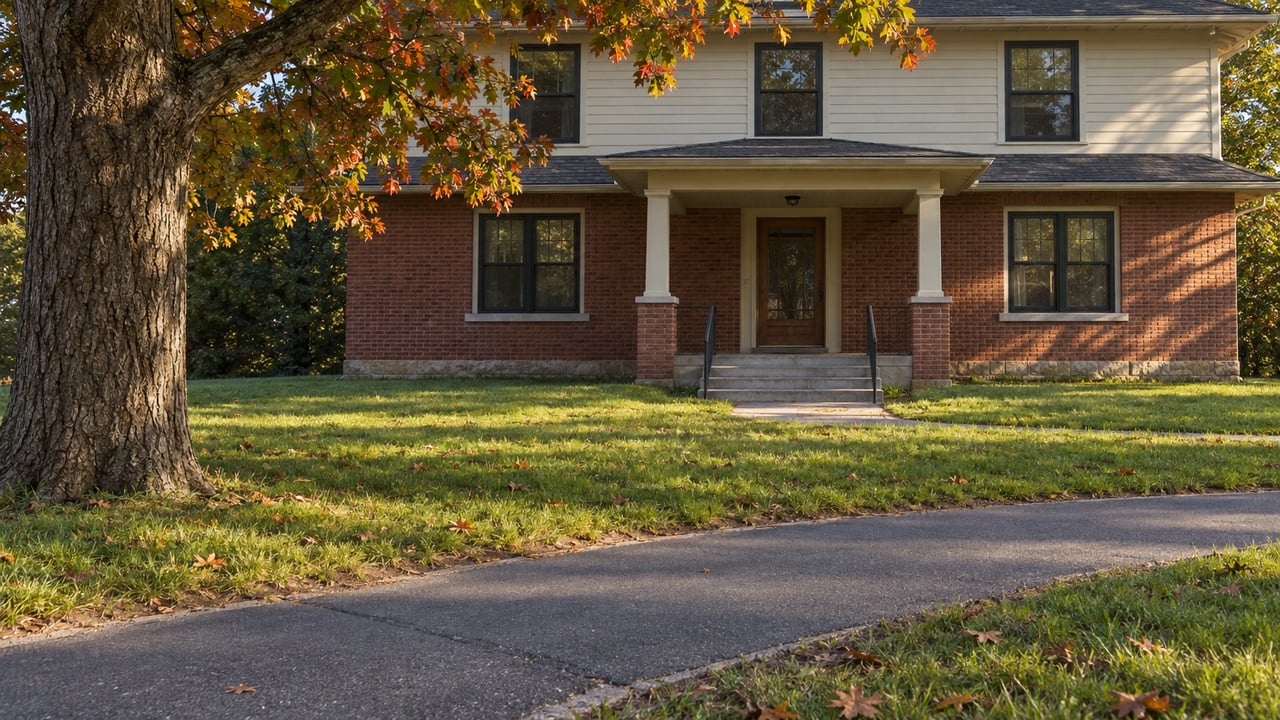
Historic Corktown houses often date from the mid‑19th to early‑20th centuries. Expect original trim, tall ceilings, parlor‑style floor plans, and exterior brick or wood details that reflect the district’s architectural styles documented by the National Park Service.
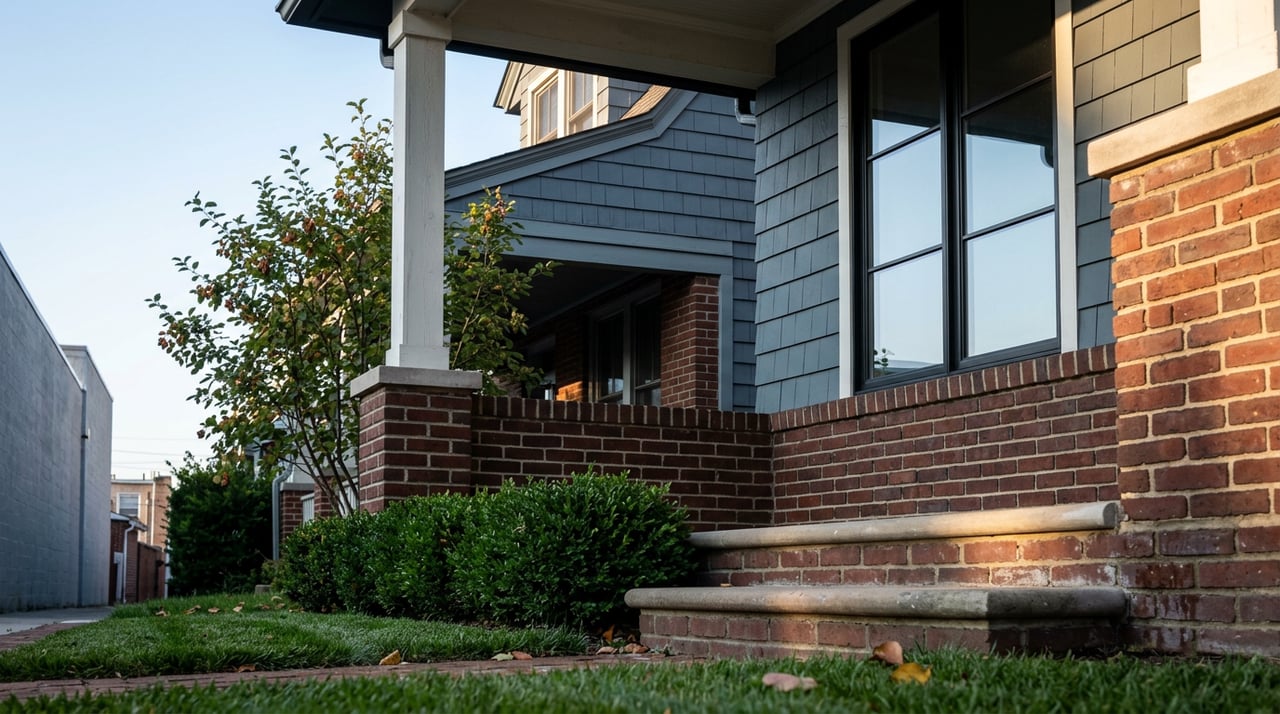
Lots are compact, with small front yards, porches, and alley access behind many homes. Off‑street parking is limited on some blocks or added later, which is part of the neighborhood’s historic form and scale noted in the Greater Corktown planning materials.
New townhomes and infill
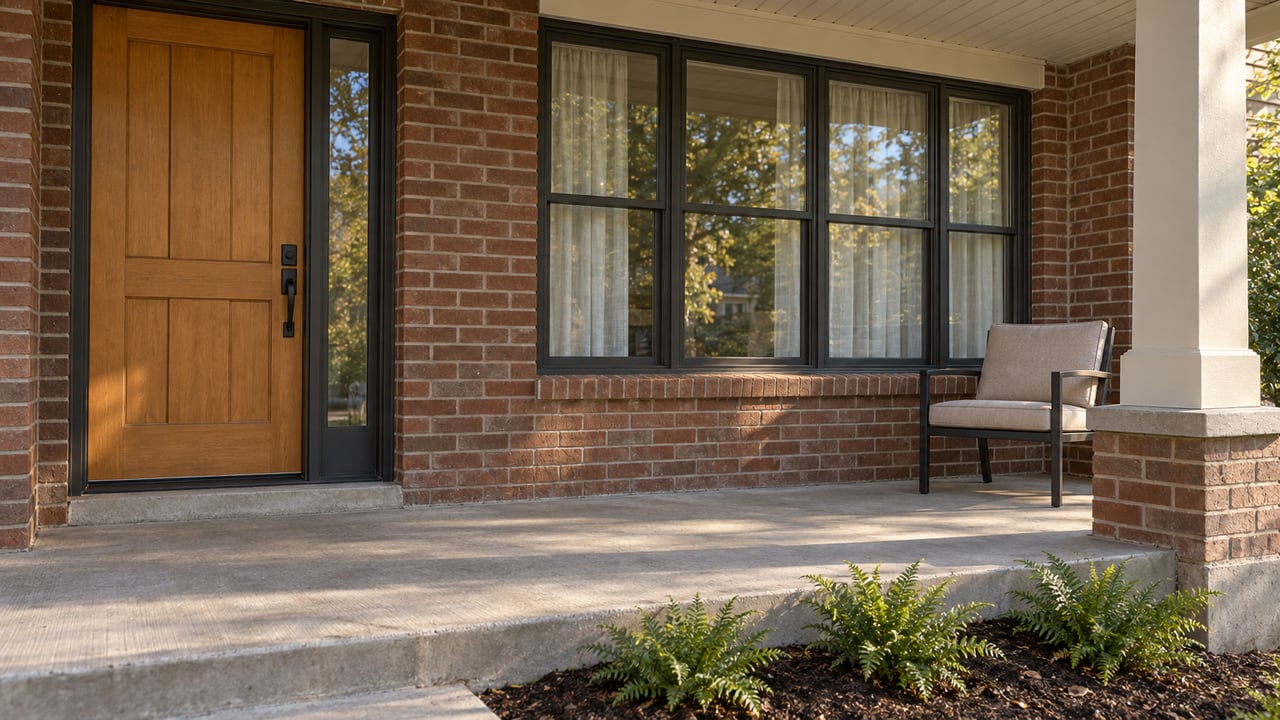
Across North Corktown and near Michigan Avenue, you will see boutique townhomes, stacked condos, and mid‑rise projects. These homes usually deliver open floor plans, modern kitchens, energy‑conscious systems, and assigned parking or garages. Some builders mirror traditional materials and scale, while others lean modern with glass, metal, and clean lines.
If you prefer move‑in ready convenience with lower near‑term maintenance, newer homes can be a strong fit. If you value original details and a sense of history, preserved homes offer qualities that new construction cannot replicate.
Maintenance and inspection must‑knows
Older homes can be wonderfully solid, but you should plan for predictable maintenance. Common items in historic stock include aging paint, older furnaces or boilers, legacy electrical components, and older plumbing. Original brick or wood features may also need careful repair.
For homes built before 1978, assume a risk of lead‑based paint and plan for safe renovation practices. If you anticipate work, review the EPA’s Renovation, Repair, and Painting guidance and hire certified contractors when required.
Lead service lines are another consideration in older neighborhoods. Detroit’s water department runs an accelerated replacement program and can verify a property’s service line status. Before you buy, check the DWSD Lead Service Line Replacement Program to confirm whether the public and private portions have been replaced or are scheduled.
Here is a smart inspection sequence to follow:
- Full home inspection focused on structure, roof, foundation, and moisture.
- Systems review of electrical, panel capacity, heating and hot water equipment, and visible plumbing materials.
- Lead paint and dust risk assessment if the home is pre‑1978, especially if your household includes children or you plan renovations.
- Masonry review if you notice deteriorated mortar or settlement.
- If exterior changes are planned and the home sits in a local historic district, confirm permitting requirements with the city’s Historic District Commission.
Energy performance and comfort
Most historic homes predate modern insulation and air‑sealing. You can close that gap with a phased plan that starts with an energy audit, followed by air sealing and insulation, then HVAC upgrades.
Many financing programs allow you to roll energy work into a renovation budget. The FHA 203(k) program covers a wide range of repairs and upgrades under a single loan for owner‑occupants. Review the HUD 203(k) overview to see what qualifies.
You may also be eligible for federal residential energy credits for qualifying upgrades. Rules and annual caps change, so always check current IRS guidance in Publication 530. On the utility side, DTE offers home energy assessments and rebates that can reduce the cost of air sealing, insulation, and efficient equipment. Explore DTE’s residential programs to plan your sequence.
Historic district rules and approvals
Parts of Corktown fall within a local historic district. Exterior work in those areas often requires review by the City of Detroit Historic District Commission. Window changes, visible additions, porch work, and some roofing projects may need a Certificate of Appropriateness before permits are issued.
If you are considering a property that may be inside the local district, ask the seller for recent approvals or any open violations. Then review the city’s step‑by‑step guidance for making exterior changes within a local historic district on the Detroit HDC page. A clear paper trail can save you time and cost after closing.
Financing options for old and new
If you want to modernize a historic home right away, renovation mortgages can bundle your purchase and project into one loan:
- FHA 203(k). Includes limited and standard versions and can fund many repairs, systems upgrades, and energy improvements. See the HUD 203(k) program.
- Fannie Mae HomeStyle Renovation Mortgage. A conventional option that supports a broad range of upgrades in a single loan. Learn more about HomeStyle Renovation.
For larger certified rehabs, certain tax incentives may apply. The federal Historic Tax Credit generally applies to income‑producing properties and requires a formal certification process. Review IRS guidance on the credit’s rules and process in the instructions for Form 3468. Michigan also offers a State Historic Tax Credit program with application requirements and annual caps, summarized by the state at Michigan State Historic Tax Credit program. Always verify eligibility and timing well before you start design.
Insurance, taxes, and operating costs
Insurance needs can differ by property type and condition. Some older homes may require modified replacement‑cost coverage, and insurers may ask for documentation of electrical, plumbing, roof, or HVAC updates. Shopping carriers and sharing recent upgrade records can lead to better terms.
Major renovations can change your assessed value and property tax bill. Large new developments sometimes use tax abatements, which are usually project‑specific. If you plan significant work that adds square footage or alters the structure, talk with a local expert early so you can plan for the potential tax impact.
Resale and neighborhood trajectory
Corktown’s momentum is tied to proximity to Michigan Central and new commercial nodes. That has raised demand on certain streets. At the same time, the market is heterogeneous block to block. Well‑executed historic rehabs with preserved character can command a premium on destination blocks, while modest homes that need work may attract investors. For context on how recent investment is influencing nearby neighborhoods, see the Saving Places overview.
Quick self‑assessment: which home fits you?
Use this checklist during your search. Circle what matters most, then match your answers to home types on each street you tour.
Budget and reserves
- Do you want low‑upkeep living for the first 3 to 5 years? Newer townhomes often have clearer warranties and lower immediate maintenance.
- Do you love historic fabric and plan to renovate? Set an inspection‑driven reserve and consider financing options like FHA 203(k) or HomeStyle Renovation.
Lifestyle and layout
- Prioritize open plan living, garage or assigned parking, and rooftop decks? Target newer townhomes and condos.
- Want a porch, defined rooms, and a private yard? Focus on single‑family historic homes.
Renovation appetite and timeline
- Small cosmetic tweaks are easy in any property type.
- Full exterior changes in the local historic district may require approvals. Review the Detroit HDC process.
Energy and sustainability
- Start with an energy assessment, then add air sealing, insulation, and efficient HVAC.
- Check current IRS residential energy credit guidance and DTE programs before you purchase equipment.
Health and safety checklist
- For pre‑1978 homes, plan for lead‑safe renovation and consider a lead dust assessment.
- Verify the water service line status with the DWSD replacement program.
Neighborhood fit
- Walk the blocks at different times of day to confirm noise, traffic, and access.
- Explore North Corktown Neighborhood Association updates to get a sense of community priorities.
Your next step
Choosing between historic charm and new build convenience comes down to how you want to live and what you want to maintain. With clear priorities and the right financing strategy, you can make either path work in Corktown or North Corktown. If you want help matching your wish list to the right streets and property types, reach out. You will get practical, neighborhood‑savvy advice and a calm, step‑by‑step plan from a local who knows these blocks well.
Ready to tour, compare, and decide with confidence? Connect with LizinDetroit to start your search.
FAQs
What makes Corktown a historic district?
- Corktown is Detroit’s oldest surviving neighborhood and is listed as the Corktown Historic District with many 19th‑ and early‑20th‑century homes, as summarized by the National Park Service.
Where is North Corktown, and how is it defined?
- North Corktown is generally north of Michigan Avenue and bounded by I‑96, I‑75, M‑10, and Martin Luther King Jr. Boulevard, with community context from the North Corktown Neighborhood Association.
Do I need approval to change windows or add on?
- If the property is in a local historic district, many exterior changes require a Certificate of Appropriateness from the city’s Historic District Commission; review the Detroit HDC guidance.
How can I finance a rehab when I buy?
- Consider renovation mortgages that combine purchase and repairs, such as FHA 203(k) or Fannie Mae HomeStyle Renovation, and explore state historic credits if your project qualifies.
How do lead service lines factor into a purchase?
- Detroit is actively verifying and replacing lead service lines; check a property’s status and replacement process through the DWSD Lead Service Line Replacement Program before you close.
Are energy rebates available for heat pumps and insulation?
- Federal residential energy credits may apply to qualifying upgrades, and DTE offers assessments and rebates; confirm current rules in IRS Publication 530 and check DTE’s residential programs.