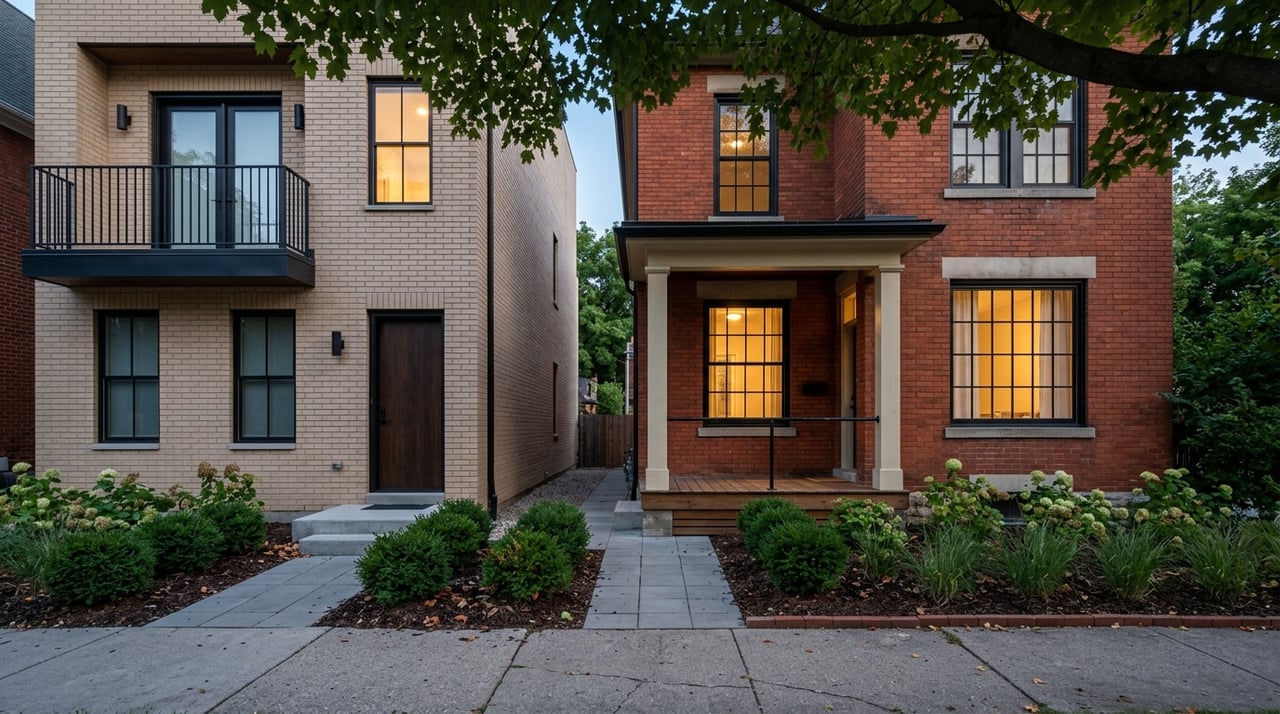
Trying to choose between a low-maintenance newer home and a character-filled historic house in East Village? You are not alone. This part of Detroit gives you a rare mix of early-1900s architecture, classic apartment towers, and newer compact homes, so the right fit often comes down to how you want to live day to day. If you are weighing upkeep, budget, design, and long-term flexibility, this guide will help you sort through the tradeoffs. Let’s dive in.
Why East Village draws buyers
East Village sits just east of Indian Village, between Fischer Street and Cadillac Boulevard and from East Jefferson to Mack. The neighborhood includes smaller homes in many styles, along with classic apartment towers like The Kean and The Hibbard.
For many buyers, East Village stands out because it offers the Villages setting and historic feel at a lower neighborhood price point than nearby Indian Village. As of March 2026, East Village had a median listing price of $229,000, compared with $535,000 in Indian Village. That price gap is one reason buyers often start here when they want character and location without stretching into a higher bracket.
What “townhome” means in East Village
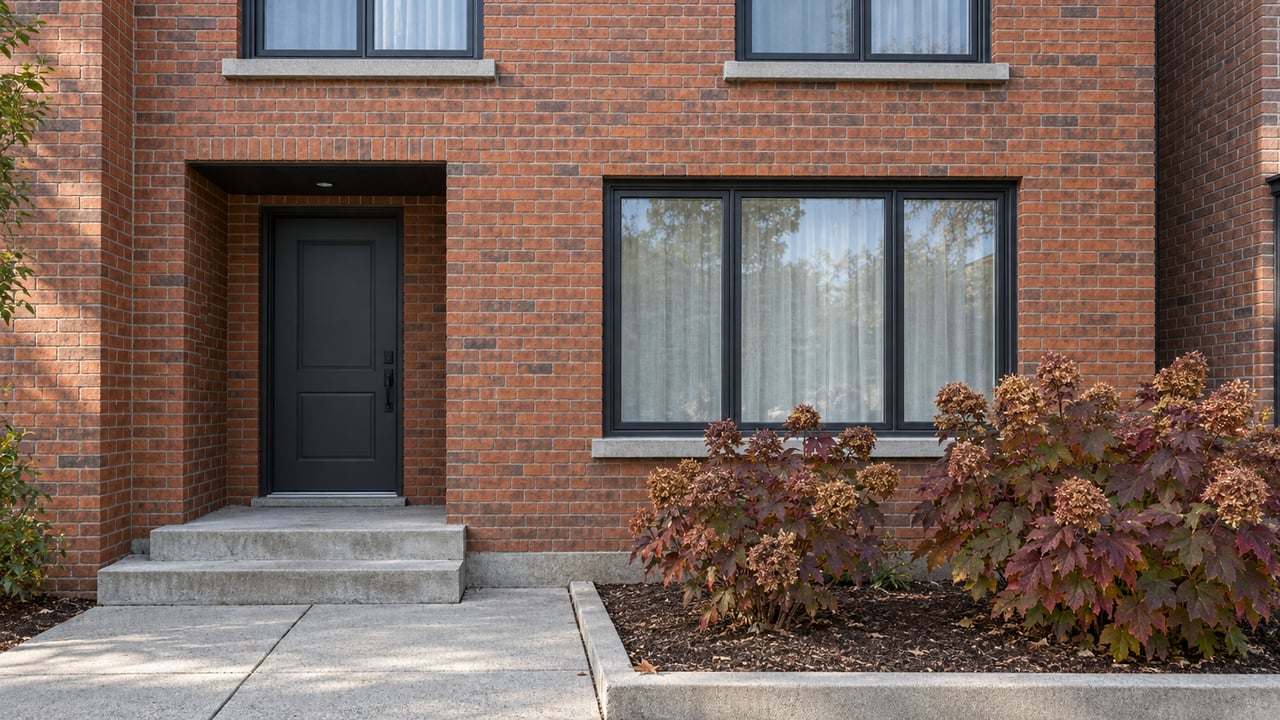
If you are searching for townhomes in East Village, it helps to know that the neighborhood does not currently have a large supply of classic attached townhomes. Instead, many of the newer options are compact detached homes that offer similar benefits, such as modern layouts, easier upkeep, and attached garages.
That distinction matters because you may be comparing lifestyle more than building type. In East Village, the newer-home side of the decision is often really about choosing a more streamlined, lower-maintenance property over an older house with more original detail and more upkeep.
Why buyers choose newer low-maintenance homes
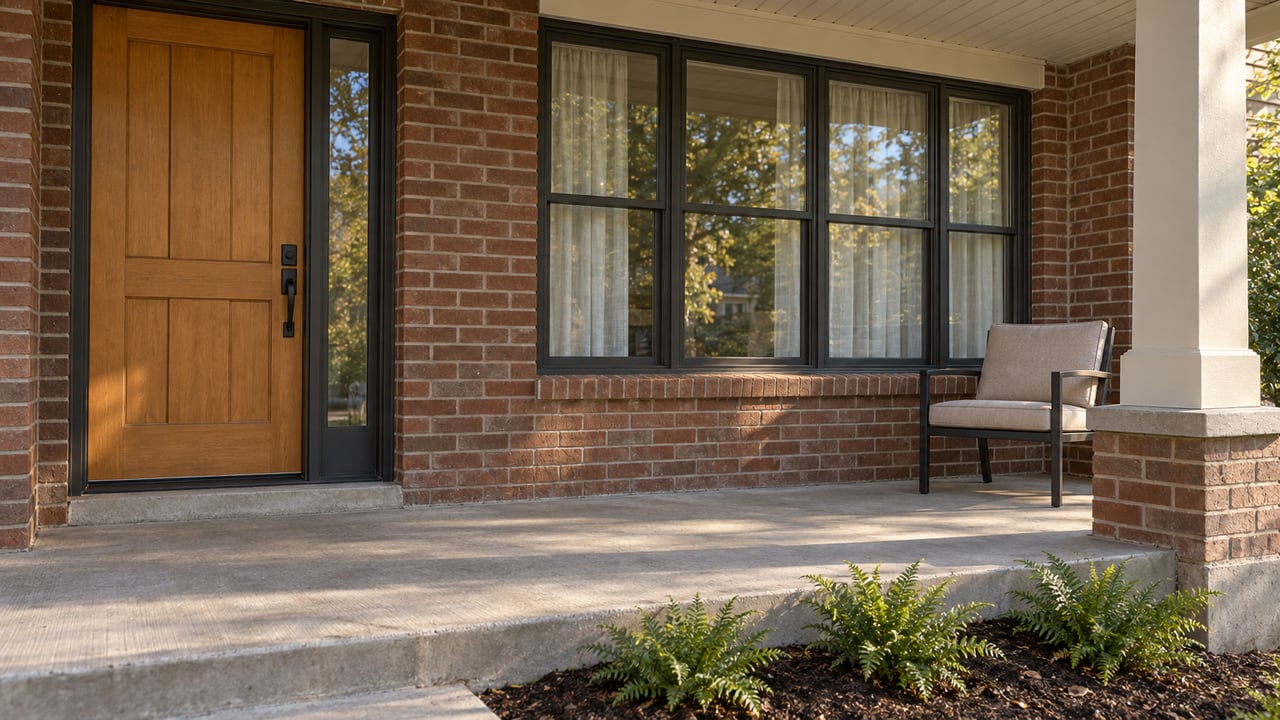
Newer homes in East Village tend to appeal to buyers who want a simpler ownership experience. Current examples from Greatwater include floor plans with open interiors, durable exteriors, and practical layouts.
For example, The Alden offers about 1,000 square feet with 2 bedrooms, 2 baths, and a 2-car garage. The Ellsworth offers 1,325 square feet with 2 bedrooms, 2.5 baths, a full basement, and a 2-car garage. The Bellaire offers 1,513 square feet with 3 bedrooms, 2.5 baths, and a 2-car garage.
A city planning document for new construction on Fischer also shows how this housing type is being positioned in East Village. One larger home was planned at about 1,840 square feet with 3 bedrooms, 2.5 baths, a 2-car garage, and an estimated sale price of $410,000.
Key advantages of newer homes
If your priority is convenience, a newer home can make the budget and maintenance picture easier to read.
Benefits often include:
- More standardized layouts and finishes
- Attached 2-car garages in some properties
- Open living spaces that fit modern routines
- Durable exterior materials
- Less immediate repair uncertainty than many older homes
For buyers who want to move in and settle quickly, that predictability can be a major plus.
What to know about NEZ tax relief
Some newer homes in East Village may qualify for a Neighborhood Enterprise Zone, or NEZ, certificate. In the Fischer example, the project was located in the East Village Amended NEZ area, where eligible homes may receive a 15-year NEZ certificate.
The important word is eligible. You should not assume every new build qualifies. If tax relief is part of your budget strategy, it is worth confirming whether the specific property has that benefit in place.
Why buyers choose historic homes
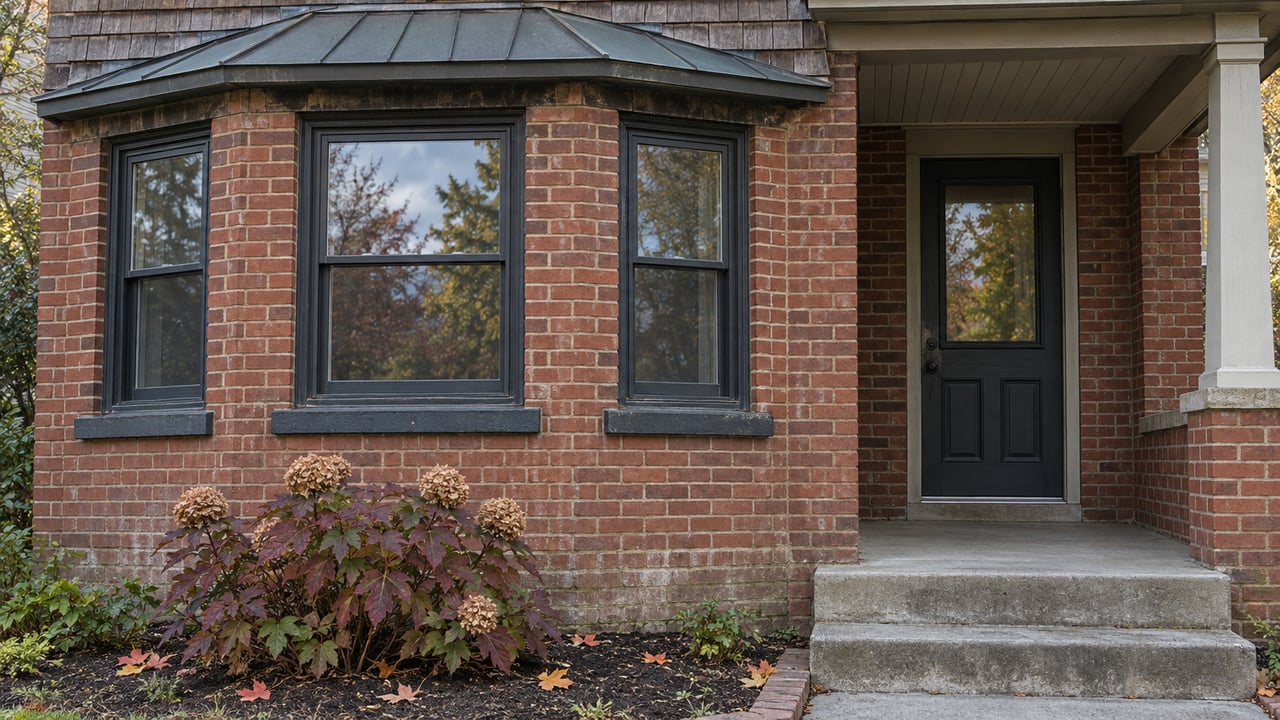
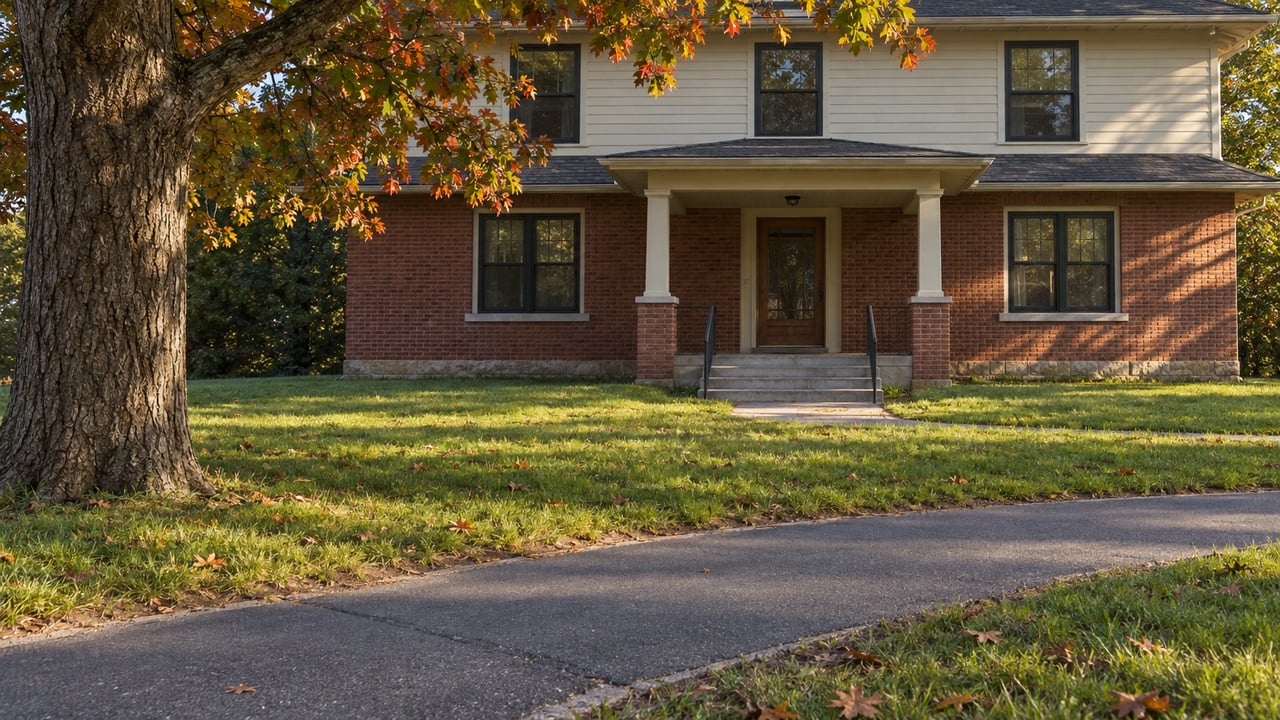
Historic homes are a big part of East Village’s identity. The neighborhood is known for early-1900s homes and a streetscape shaped by Detroit’s architectural history, with preservation playing a visible role in the area’s ongoing revitalization.
If you love original architecture, historic homes can offer details that are hard to recreate in newer construction. You may find features like older floor plans, distinct exterior design, and a stronger sense of period character.
The tradeoff: charm and oversight
Historic homes often ask more of you as an owner. The appeal is usually not just cosmetic. It is about living with a property that may need periodic maintenance and, in some cases, review of exterior changes.
That is why this option tends to fit buyers who value original architecture and feel comfortable planning around upkeep, project timelines, and approval processes.
Check the historic district status first
If you are seriously considering a historic home, one of the first questions to ask is whether the property is in a local historic district. In designated districts, the City of Detroit Historic District Commission reviews exterior alterations before permits are issued.
That review can apply to more than major construction. The city identifies windows, roofs, paint colors, fences, hedges, and landscaping as common review items.
This is one of the biggest practical differences between a historic house and a newer low-maintenance home. A historic home may give you more character, but it can also come with more process when you want to change the exterior.
Interior flexibility is different
There is also an important distinction that buyers often appreciate. The city’s Historic District Commission does not regulate interior changes.
So if you are thinking about updating kitchens, baths, or interior finishes, the issue is usually less about interior design and more about exterior oversight. That balance can make a historic home attractive if you want architectural character outside and flexibility inside.
Windows and roofs matter early
If a historic property needs work, windows and roofs deserve special attention during your home search. The city asks for detailed documentation when those items are part of an application.
In practical terms, this means you should look closely at those components before you buy. They can affect both your timeline and your near-term costs.
Apartment towers and condo-style living
East Village also offers another path for buyers who want a lower-touch lifestyle. The neighborhood includes classic apartment towers like The Kean and The Hibbard, which represent the local version of shared-wall or building-based living.
For some buyers, this can be the best middle ground. You may get less direct exterior upkeep than with a detached house, while still living in a building with historic presence.
What dues and rules can mean
If a unit is a condo or co-op, monthly dues are usually paid separately from the mortgage. Those fees typically cover exterior and common-area maintenance and may also include items like water, sewer, trash, insurance, and reserves.
That setup can lighten your personal maintenance load, but it also changes how you evaluate the monthly cost of ownership. Instead of focusing only on mortgage payment and repairs, you also need to understand dues, reserve funding, and the possibility of special assessments.
Questions to ask in a condo or co-op building
Before you buy, review the building’s rules and financial picture carefully. In East Village, this is especially important if you are comparing a unit in a classic tower with a detached home.
Ask about:
- What the monthly dues cover
- Whether the building has reserve funds
- The governing rules and bylaws
- The risk of special assessments
- How much of your total monthly cost is mortgage versus dues
For buyers who want less exterior responsibility, this housing type can work well. You are simply trading some control for more shared structure.
How to compare your true monthly cost
When buyers compare newer homes and historic homes, they sometimes focus too much on list price alone. In East Village, a better approach is to compare your likely monthly cost and your likely first-year projects.
For a newer low-maintenance home, your costs may be more predictable up front. For a historic house, you may have a lower purchase price in some cases, but higher maintenance planning or exterior review issues. For a condo or co-op, dues become a major part of the picture.
A simple framework is to compare:
- Mortgage payment
- Property taxes
- HOA or co-op dues, if any
- Expected repairs or maintenance
- Whether the property qualifies for NEZ tax relief
That side-by-side view usually tells you more than list price alone.
Local assistance that may help
Detroit’s Down Payment Assistance Program offers up to $25,000 for qualifying buyers. That can be helpful whether you are buying a historic house or a newer home with a more streamlined layout.
If down payment support could change your options, it is worth exploring early in the process. In a neighborhood with several property types and price points, that kind of help can expand what feels realistic.
Which option fits your lifestyle?
The right choice in East Village depends less on what sounds best in theory and more on how you want to live.
A newer low-maintenance home may fit you if you want a modern layout, garage parking, and a more predictable ownership experience. A historic home may fit you if you care most about architectural character and do not mind planning around upkeep and exterior review. A condo or co-op unit may fit you if you want shared maintenance and are comfortable with dues and building rules.
East Village is compelling because it gives you all three decision paths in one neighborhood setting. You can prioritize charm, convenience, or a mix of both without leaving the area.
If you want help sorting through East Village options, from compact newer homes to historic houses and classic condo or co-op buildings, LizinDetroit can help you compare the details and choose the property that fits your life.
FAQs
What is the difference between townhomes and newer homes in East Village?
- In East Village, many newer options are compact detached homes rather than a large inventory of classic attached townhomes, but they often offer similar low-maintenance living and modern layouts.
What should you ask before buying a historic home in East Village?
- Ask whether the property is in a local historic district, because exterior changes in designated districts may require Historic District Commission review before permits are issued.
What exterior items can be reviewed in a Detroit historic district?
- Common review items include windows, roofs, paint colors, fences, hedges, and landscaping.
What should you review before buying a condo or co-op in East Village?
- Review what the monthly dues cover, whether the building has reserve funds, the governing rules, and the risk of special assessments.
Can East Village buyers qualify for local financial assistance?
- Qualifying buyers may be eligible for Detroit’s Down Payment Assistance Program, which offers up to $25,000.
Do all new homes in East Village qualify for NEZ tax relief?
- No. Some eligible homes may receive a 15-year NEZ certificate, but you should confirm whether the specific property qualifies rather than assume it does.