Ready to trade house upkeep for river views and a simpler routine? Downsizing to a Detroit Gold Coast condo can be a smart move, but only if you look past the listing photos and focus on how the building actually works for your day-to-day life. If you want less maintenance without giving up space, access, or comfort, this guide will help you think through the details that matter most. Let’s dive in.
Why Gold Coast appeals to downsizers
Detroit’s Gold Coast sits east of downtown along the river, where residential high-rises and historic buildings meet parks, marinas, and waterfront access. The area connects naturally to Rivertown, and the Detroit Riverwalk runs continuously for 5.5 miles through Rivertown to Gabriel Richard Park at the Gold Coast border.
That setting matters when you are downsizing. You may be looking for a home that feels easier to manage, but still keeps you close to outdoor space, downtown destinations, and everyday city access. The City of Detroit’s East Riverfront plan also points to continued focus on parks, greenways, safer streetscapes, and a more pedestrian- and bike-friendly Jefferson Avenue corridor.
In practical terms, Gold Coast offers more than scenery. Visit Detroit notes that the area is accessible by car, rideshare, DDOT bus, and walking or biking via the Riverwalk, with street parking, public lots, and garages available nearby. For many buyers, that mix supports a lower-maintenance urban lifestyle without the demands of a larger house.
Focus on right-sizing, not just downsizing
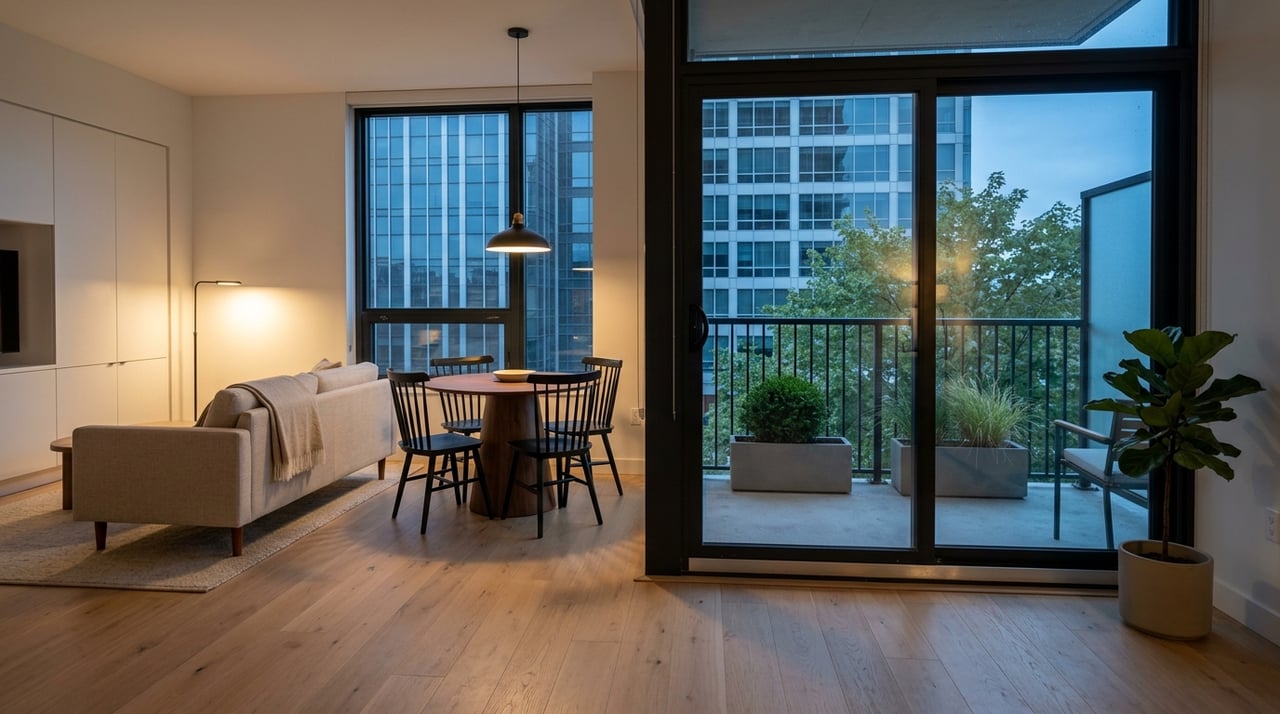
One of the biggest mistakes buyers make is assuming a one-bedroom is a one-bedroom. In Gold Coast buildings, floor plans can vary dramatically, even within the same building, so bedroom count alone will not tell you whether a unit fits your life.
Public building pages show just how wide that range can be. River House Co-Op includes studios around 416 to 425 square feet, one-bedrooms from 416 to 1,700 square feet, two-bedrooms from 700 to 2,375 square feet, and larger three- and four-bedroom layouts up to 2,762 square feet. Shoreline East also spans a wide range, from studios around 529 to 700 square feet to three-bedroom units up to 2,400 square feet.
That means your real question is not, “How many bedrooms do I need?” It is, “Can I comfortably live in this exact layout?” A smart downsizing plan starts with how you use space now and what you truly want to keep.
What to measure before you buy
Before you fall in love with a view, think through the pieces of daily life that need to fit the unit.
- Your main furniture dimensions
- Storage needs for seasonal items and personal records
- Space for guests, hobbies, or a work-from-home setup
- Laundry access in the building
- Elevator convenience and move-in logistics
- Parking setup for your household
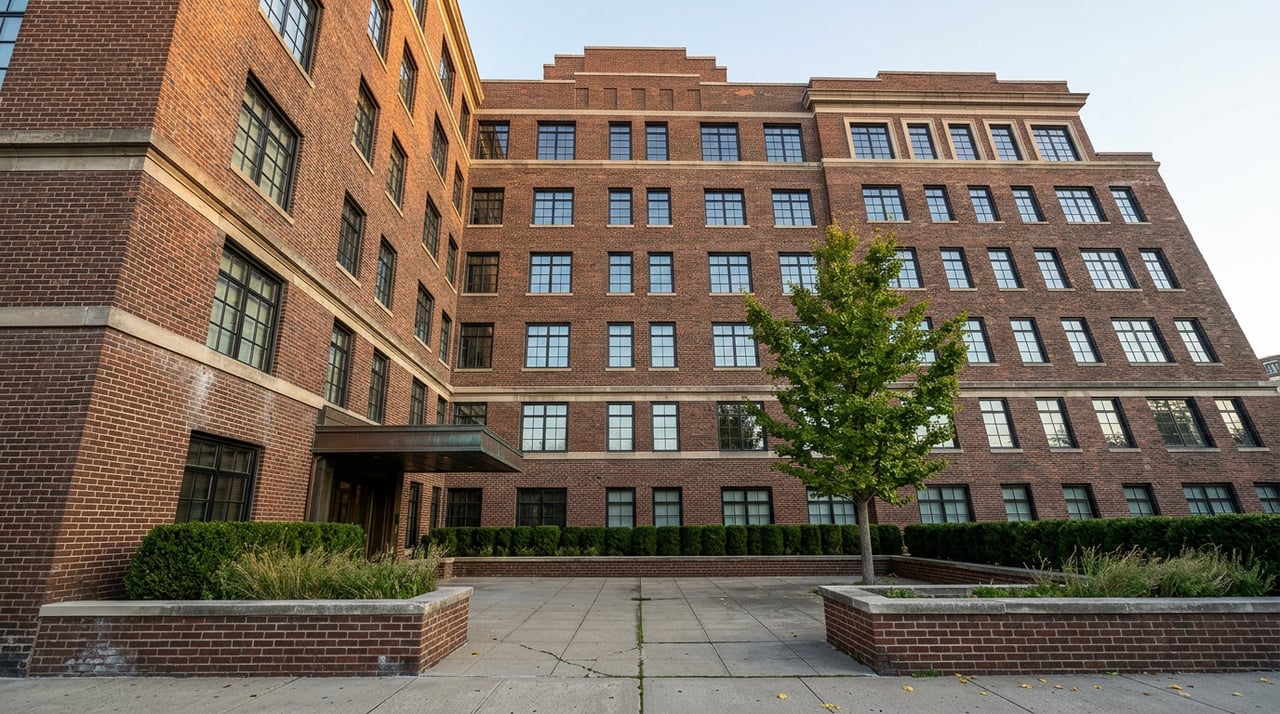
Many Gold Coast buildings are mid-century high-rises, and public pages list River House as dating to 1955 and Shoreline East to 1966. Older towers can offer generous layouts, but they can also require a reality check on furniture scale, closet space, and how rooms flow.
Confirm the ownership type early
This is especially important in Detroit, where condos and co-ops are both part of the market. You do not want to assume every high-rise purchase works the same way.
Public building pages identify River House as a cooperative building complex and Shoreline East as a condominium building complex. That difference can affect documents, approval processes, monthly charges, and how the ownership structure works overall.
For downsizers, this matters because the goal is a simpler next chapter, not surprise complexity. Liz in Detroit has deep co-op and condo experience, and that local knowledge can be especially helpful when you are comparing buildings that may look similar on the outside but operate very differently.
Compare amenities to your actual lifestyle
Amenities can make condo living feel easy, but they should earn their place in your budget. The smartest buyers look at whether they will truly use the features they are paying for each month.
Public pages for River House list amenities such as a fitness center, pool, 24-hour security, gated access, on-site management, laundry, parking options, and storage cabinets. Shoreline East lists a doorman, rooftop deck, clubhouse or meeting room, 24-hour security, gated access, laundry, and both garage and lot parking.
Those features may be valuable, but value is personal. If you will never use the pool or fitness room, your decision should come back to the amenities that support your real routine, such as parking, security, storage, elevator access, or on-site management.
Ask what the association maintains
Michigan condo law treats common elements as part of the association’s responsibilities. According to the Michigan Condominium Buyers Handbook, common elements can include hallways, lobbies, building exteriors, recreation facilities, and utility systems.
That is part of what you are paying for. When you compare one building to another, look beyond the amenity list and ask what maintenance burden is truly being shifted off your plate.
Budget for total monthly cost
The list price is only one part of the math. If you are downsizing from a house, the more useful number is your total monthly carrying cost.
That usually includes:
- Mortgage or loan payment
- HOA fee or monthly assessment
- Utilities not covered by the association
- Parking costs
- Storage costs
- Possible special assessments
Public listing pages show why this step matters. Shoreline East currently shows HOA fees ranging from $369 to $793, while River House shows fees from $455 to $1,500. Those public examples also indicate that some fee packages may include items such as water, heat, sewer, trash, snow removal, lawn care, electricity, and structure maintenance.
You should verify all of that against the current association documents. A higher monthly fee is not automatically bad if it covers major expenses you would otherwise pay separately.
Review reserves and financial documents
In Michigan, condominium associations must maintain a reserve fund for major repairs and replacement of common elements, with a minimum of 10% of the association’s annual budget on a noncumulative basis. Associations must also keep the master deed, amendments, and other condo documents available for review by owners, prospective purchasers, and prospective mortgagees.
Owners are entitled to a yearly financial statement, and books, records, contracts, and financial statements must be available for examination at convenient times. If annual revenues exceed $20,000, the association generally needs an annual CPA audit or review unless co-owners vote to opt out.
This is where smart downsizing becomes risk management. You want to know not only what the monthly number is today, but also how the building is planning for future repairs.
Understand special assessment risk
Michigan’s condo handbook also notes that monthly fees and assessments are liens on the unit. Owners are not exempt from paying just because they do not use the common elements or even if they abandon the property.
The association may also assess owners for additional funds if major repairs are needed. That is why comparing monthly fees in isolation can be misleading. A lower fee does not always mean a better financial picture.
Plan the move before you list your house
If you want a lower-stress transition, start on the condo side first. Review the building documents, bylaws, budget, reserve funding, move rules, and parking rules before you put your current home on the market.
That advice is especially useful in Michigan because LARA states it does not enforce condo association complaints. In other words, the written documents are your best guide to how the building actually operates.
Expect building-specific move rules
High-rise move-ins often come with tighter rules than buyers expect. For example, Riverfront Condominiums requires at least one week’s notice, an elevator reservation, a $500 deposit, weekday move windows, and a security person, with movers responsible for damage to common areas.
Not every building will use the same process, but that example shows why timing matters. If your current house closes before your building allows the move, you can end up with avoidable stress and added costs.
Think through move-day logistics
If your move requires street staging, temporary lane use, sidewalk use, or an oversized truck setup, Detroit’s Right of Way rules may come into play. The city also allows meter, garage, and lot parking through ParkDetroit, though you still need to check posted restrictions and temporary signage.
The takeaway is simple: leave a buffer. A little extra time between closings can help with elevator reservations, truck scheduling, cleaning, parking coordination, and deposit recovery.
A smart downsizing checklist
Before you buy a Gold Coast condo, make sure you can answer these questions clearly:
- Does the exact floor plan fit your furniture and storage needs?
- Is the building a condo or a co-op?
- Which amenities will you actually use?
- What do the monthly fees cover?
- How healthy are the reserves and financial statements?
- Is there any history of special assessments?
- What are the current pet rules and restrictions?
- What are the move-in rules, deposits, and elevator requirements?
- How will parking and loading work on moving day?
Gold Coast can be a great place to simplify your lifestyle while staying connected to the riverfront and downtown Detroit. The key is to treat downsizing as a planning exercise, not just a square-footage reduction.
When you get the fit, finances, and logistics right, condo living can feel like a real upgrade. And when you want a local expert who understands Detroit high-rises, co-ops, and the details that shape a smooth move, LizinDetroit is ready to help.
FAQs
How big should a Gold Coast condo be for downsizing?
- The right size depends on your furniture, storage needs, guest use, and daily routine more than bedroom count alone. Public building pages show that Gold Coast units range from compact studios to large multi-bedroom layouts.
What should I review before buying a Detroit condo?
- Review the master deed, bylaws, budget, reserve funding, financial statements, move rules, parking rules, and any special assessment history before you commit.
How do I compare condo fees in Gold Coast buildings?
- Compare what the fee covers, how strong the reserve funding appears to be, what financial documents show, and whether the building has had recent or pending special assessments.
Are all Gold Coast high-rises standard condos?
- No. Public building pages show that some properties are cooperative buildings and others are condominium buildings, so you should confirm the ownership structure early.
When should I start planning a Detroit high-rise move?
- Start early enough to review building rules, reserve the elevator, coordinate truck access and parking, and leave buffer time between closings so the move feels manageable rather than rushed.