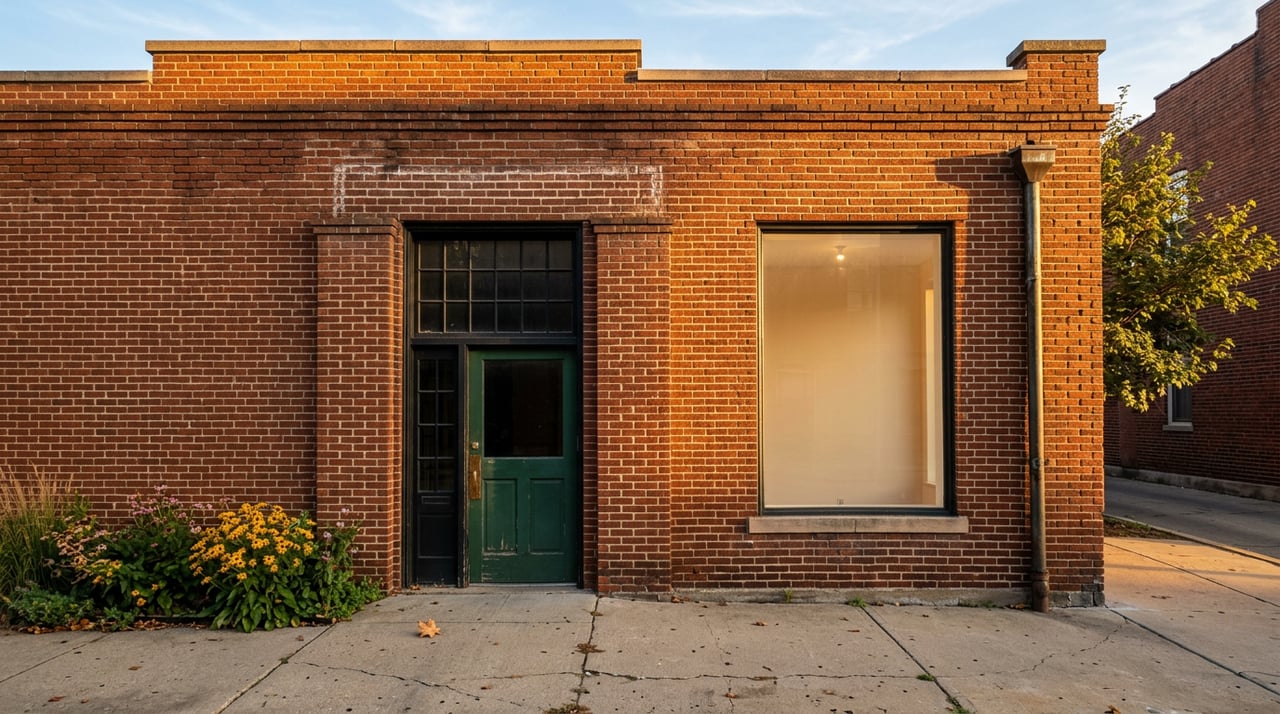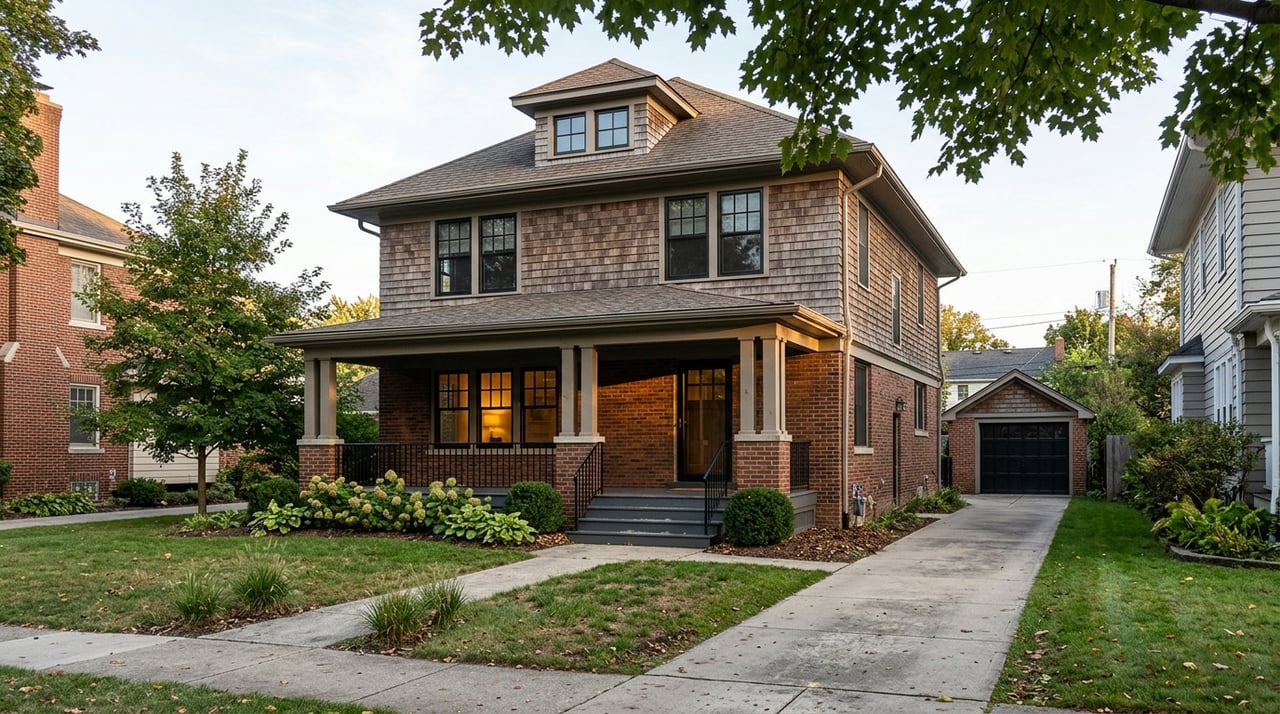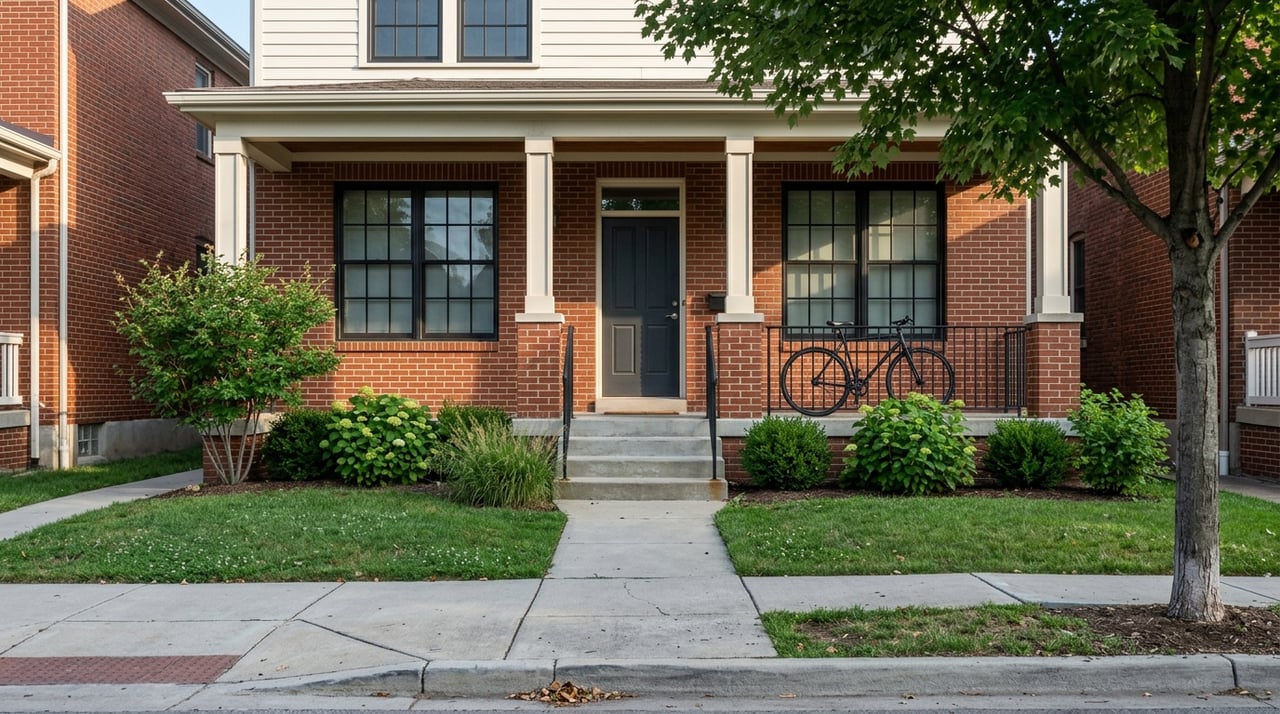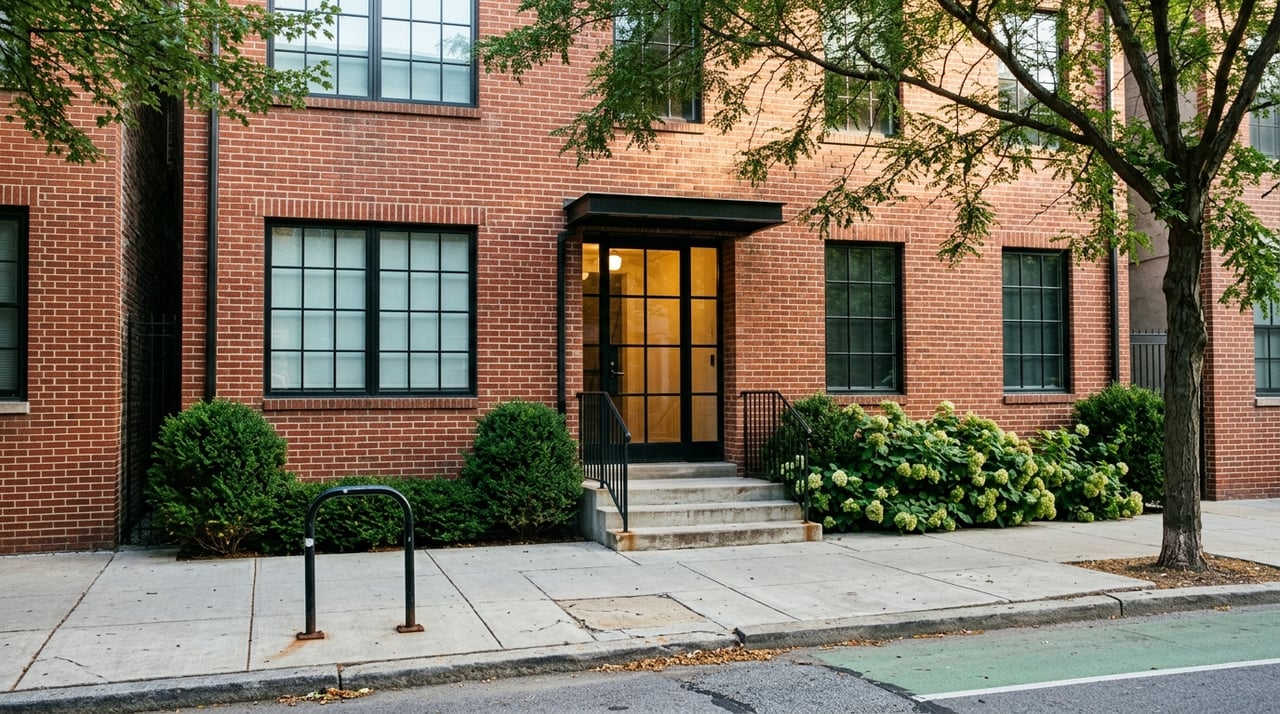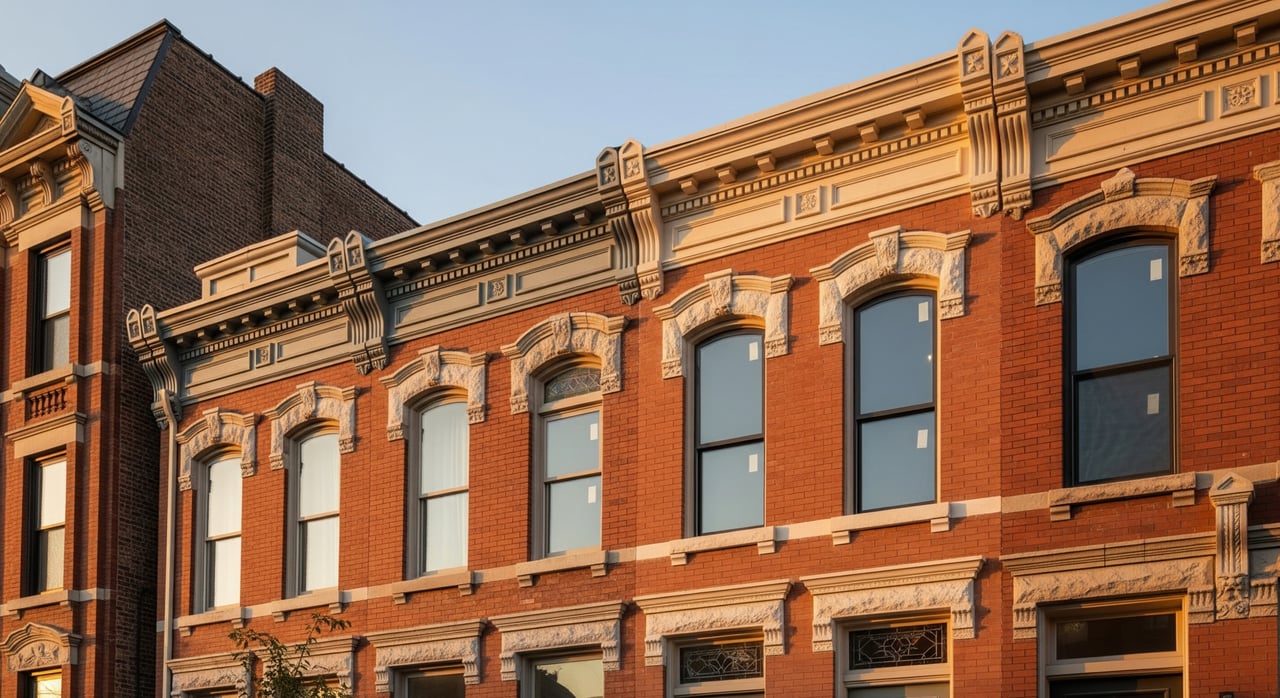
Is your North Corktown house rich with original woodwork, tall windows, or a classic Detroit front porch? Pricing a historic home can feel tricky, especially when each block tells a different story. You want to honor the character you’ve preserved and still meet the market where it is. In this guide, you’ll learn how buyers think about value, how to work with scarce comps, and practical steps to set a confident price for your home. Let’s dive in.
Why Corktown prices vary by block
Corktown is one of Detroit’s oldest neighborhoods, and North Corktown sits close to downtown jobs, restaurants, and major redevelopment. The Michigan Central Station campus and nearby investment have brought new attention to the area. That proximity plus historic character can create a location plus character premium.
Pricing still depends on your exact block. Some streets have more intact historic fabric and recent renovations. Others show more vacancy or deferred maintenance, which can limit direct comparables. Low supply of true historic homes also means a few recent sales can set the local price ceiling, while the next street over might look different.
What buyers pay for in historic homes
Architecture and integrity
Architectural style matters. A well-preserved Victorian, Italianate, or worker cottage can attract a premium if original elements remain. Buyers notice intact wood floors, millwork, staircases, and period windows. Greater historic integrity often translates to higher perceived value.
Condition and systems
Condition can move price more than almost anything. Roof, foundation, masonry, and porches must be sound. Systems matter too. Older electrical, plumbing, HVAC, and insulation levels affect cost and comfort. Lead-based paint and potential asbestos are common in older homes and may add remediation expense. The more a buyer must fix, the smaller the pool of willing buyers.
Size, layout, and parking
Usable square footage and a functional layout count. Many historic homes are less open-plan. Thoughtful updates that respect character while improving flow are attractive. Outdoor space and parking also influence demand, especially if a garage or off-street option is available.
Designation and rules
Confirm whether your home sits in a local historic district or has another form of designation. Local districts often require review for exterior changes. Some buyers value protected streetscapes; others see rules as constraints. Clear information about what is and is not allowed helps buyers price risk correctly.
How to price in North Corktown
Start with the sales comparison approach
Begin with recent, nearby sales of similar age, style, and size. In North Corktown, that pool can be small. If you expand the search radius, keep adjustments tight and transparent. Focus on houses with related architecture, condition, and lot features.
Adjust for renovations and integrity
Give weight to repairs and the cost of bringing systems up to modern expectations. Adjust for square footage, finished basements, outdoor space, and parking. If your home has restored period details, note the market response in similar sales and quantify the difference.
Estimate the historic premium
There is no fixed percentage for “historic charm.” A practical method is to compare the per-square-foot prices of nearby, well-restored historic homes with non-historic sales, while adjusting for condition and amenities. Unique provenance, such as a notable architect or documented history, can support additional value for certain buyers.
Sense-check with the cost approach
When comps are sparse or a home is unusually intact, cross-check with the cost approach. Consider what it costs to restore or replicate features. Use realistic local estimates for roofing, masonry, window repair, and systems upgrades. Document ranges instead of single numbers when exact costs are uncertain.
Investor lens and the income approach
If your property could function as a rental or part of a mixed-use plan, investors will model income. For some income-producing historic buildings, tax credits may be available if work meets program standards. Credits can improve feasibility and influence investor pricing, but they add administrative steps that buyers factor into offers.
Pre-listing prep for sellers
Build your property history
Gather a packet that includes past appraisals, restoration documents, contractor invoices, permits, and clear photos of original features. Include sales history from public records if available. This helps both appraisers and buyers understand the home’s integrity and maintenance.
Tackle high-impact fixes
Prioritize the items that derail deals: roof, structure, water management, and life-safety or mechanical issues. Cosmetic updates are optional if your price reflects current condition. If you choose not to repair, be ready to document bids so buyers can price the work into their offer.
Clarify designation status
State whether the home is in a local historic district and summarize what that means for exterior changes. Transparency builds trust and reduces friction later. If you have already navigated approvals for past work, include that paperwork.
Marketing that fits the buyer pool
- Use professional photography that highlights original details and craftsmanship.
- Tell the story of the house: era, style, notable features, and thoughtful updates.
- Emphasize walkability, proximity to downtown, and nearby amenities.
- Decide whether to target owner-occupants seeking authenticity or investors drawn to cash flow and potential credits, then tailor the presentation accordingly.
Appraisals and financing reality
Scarce comps and unique features can challenge appraisals. Lenders rely on comparable sales, so distinctive elements may require larger adjustments. To reduce surprises, consider a pre-listing appraisal or a broker price opinion. During listing, keep a ready package of comps, restoration costs, and documentation. If your price is at the top of the range, build in time for a second opinion or be prepared to negotiate credits if the appraisal comes in low.
Renovation, permits, and incentives
If you plan changes before selling or your buyer asks about potential work, confirm what triggers review. Exterior changes often require local historic district or city review and permits. Interior work typically needs building permits, especially for structural, electrical, or plumbing changes.
For income-producing historic buildings, federal historic rehab credits may be available if the project is a certified rehabilitation that follows the Secretary of the Interior’s Standards. State or local programs can change over time. Consult the Michigan State Historic Preservation Office and City of Detroit resources for current guidance.
A step-by-step pricing plan
- Define your goal and timeline. Decide if you prefer a quick sale or a price-maximizing strategy and set a target closing window.
- Request a neighborhood-focused CMA from a Detroit agent experienced with historic homes. Ask for per-square-foot analysis, condition adjustments, and a plan for scarce comps.
- Consider a pre-listing appraisal if you anticipate appraisal risk. Use it as a guardrail, not a ceiling.
- Compile your documentation: maintenance records, permits, restoration photos, and any contractor estimates for pending work.
- Fix high-impact items or price them into the listing. If you do not repair, gather quotes and be upfront.
- Set your list price range. Anchor to the most relevant comps, sense-check with cost and expected buyer pool, and define your negotiation limits.
- Prepare market-ready presentation: professional photos, clear feature list, and a concise statement on designation and approvals.
- Launch with a feedback plan. Monitor showings, agent comments, and data like days on market. Adjust marketing or price if buyer feedback clusters around the same objection.
For buyers considering offers
Inspections and budget
Order thorough inspections, including structural, roofing, mechanical, pest, and environmental as appropriate. Build a realistic budget for repairs and replacements. Add a contingency for surprises common in older homes.
Plan changes within rules
Before offering, confirm any likely historic review for your intended exterior work. If possible, seek early guidance on materials and designs that align with accepted standards. This prevents post-close delays and budget shifts.
Competitive edge in offers
If comps are thin and multiple buyers are interested, a clean offer with strong financing and reasonable contingencies helps. Consider appraisal strategies, such as providing your own contractor estimates and relevant sales for context.
When to reconsider your list price
If showings are steady but offers lag, or feedback consistently mentions the same cost hurdles, revisit your price. Check whether a recent nearby sale reset buyer expectations. A targeted price adjustment can draw a new round of attention without undermining your negotiating power.
Work with a local specialist
Historic homes in North Corktown benefit from tailored guidance and polished marketing. You deserve an advisor who understands block-by-block nuance, the local review process, and how to tell the story of original details. With neighborhood-first service, professional photography, 3D renderings, weekly seller updates, and hands-on negotiation, you can go to market with confidence. If you are weighing repairs, valuation, or timing, let’s talk about a plan that fits your goals.
Ready to price your historic Corktown home with clarity? Connect with LizinDetroit for a neighborhood-focused valuation and a customized selling strategy.
FAQs
How do I know if my Corktown home has a historic premium?
- Compare recent per-square-foot prices of well-restored historic sales to nearby non-historic homes, then adjust for condition, features, and parking.
Do local historic rules make my home harder to sell?
- Rules can narrow some buyers but attract others who value protected streetscapes; clear documentation and expectations reduce friction and help the right buyer step up.
What if the appraisal comes in low on my historic home?
- Prepare ahead with comps and cost documentation, consider a pre-listing appraisal, and be ready to negotiate credits or timing if needed.
Are there tax credits for owner-occupied historic houses in Detroit?
- Federal historic rehab credits generally apply to income-producing properties; check state and local programs for any options that may change over time.
What are the biggest hidden costs in older Detroit homes?
- Structural repairs, masonry and foundation work, environmental remediation, and major system upgrades often exceed initial estimates.
Should I fix issues or sell as-is in North Corktown?
- Fix items that limit financing or safety; for other projects, present bids and price accordingly so buyers can choose to renovate to their taste.